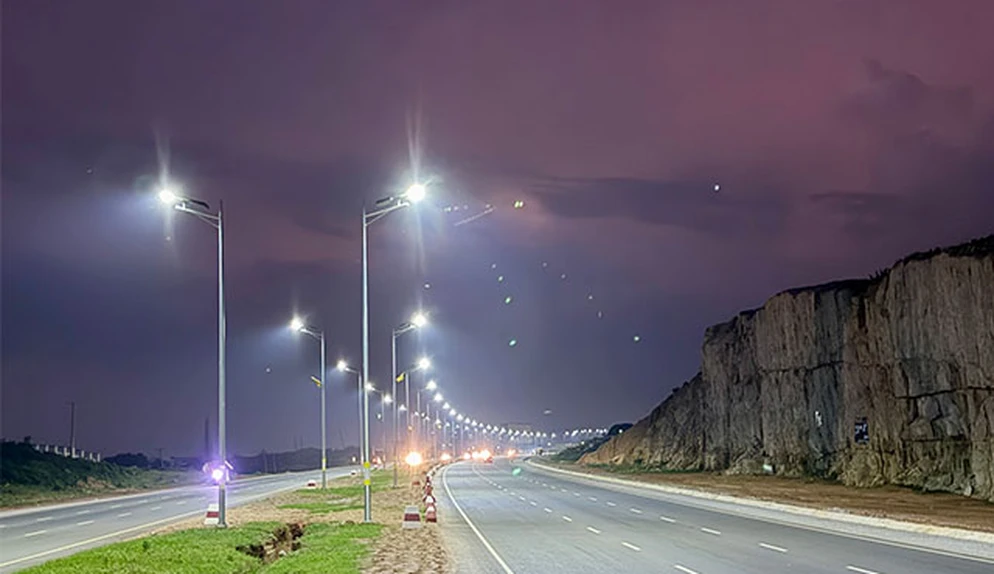
The Reason Why Solar LED Light Gets Dim
Jun 17, 2021
Read:1929
Why Solar LED Street Lights Lose Brightness Over Time
Solar LED street lights are one of the most innovative and energy-efficient solutions for urban and rural lighting. However, as with any technology, their performance can degrade over time. One of the most common issues with solar LED lights is a gradual loss of brightness. In this article, we will explore why this happens, what factors contribute to this dimming, and most importantly, how to prevent or mitigate it.
We will also offer practical tips on maintaining solar LED street lights to ensure their optimal performance over time.
What Is Lumen Depreciation in Solar LED Street Lights?
Lumen depreciation refers to the gradual decrease in the light output (brightness) of an LED light over time. In the case of solar street lights, this is an important consideration as it directly impacts the effectiveness and reliability of the lighting system. LED lights typically experience a reduction in brightness after thousands of operating hours, but the rate at which they dim depends on several factors such as the quality of the LEDs, the surrounding environment, and the maintenance practices.
The industry standard for measuring lumen depreciation is L70 (the time when the light output drops to 70% of its original level) or L80. Understanding this process is crucial for optimizing the performance and lifespan of solar LED street lights.
Main Causes of Dimming in Solar LED Street Lights
Several factors contribute to the dimming of solar LED street lights. Let's look at the most common ones:
1. Poor Quality LED Chips
One of the leading causes of premature dimming in solar LED lights is the quality of the LED chips. Low-quality LEDs tend to degrade faster than high-quality ones, leading to faster lumen depreciation. When cheaper, lower-grade chips are used, the light output can decrease significantly within a few years, reducing the overall lifespan of the street light.
Solution:
To avoid this, always opt for high-quality LED chipswith a longer expected lifespan and better thermal resistance. Ensure the manufacturer provides L70 ratings to give you an accurate prediction of how long the light will maintain its brightness.
2. Insufficient Heat Dissipation
LEDs generate heat when they operate, and excessive heat is one of the biggest enemies of LED longevity. If the light fixture does not have adequate heat dissipation capabilities, the heat can damage the internal components of the LED, reducing its brightness and lifespan.
Solution:
Make sure your solar street lights are designed with high-quality heat sinks and proper ventilation to allow heat to dissipate efficiently. When selecting solar street lights, look for products with proven thermal management solutions that prevent overheating.
3. Low-Quality Drivers & Power Supply
The LED driver is responsible for regulating the power supplied to the LED light. Poorly designed drivers can cause inconsistent voltage, which stresses the LED chips and causes them to dim over time. Cheap drivers can also result in flickering or complete failure of the light, further affecting its brightness.
Solution:
Choose constant current drivers with high efficiency, as they are designed to provide a consistent power supply and ensure the longevity of the LEDs. Opt for manufacturers that provide high-quality drivers and have a track record of reliability.
4. Environmental Factors
The performance of solar LED street lights is also affected by the environmental conditions in which they operate. Extreme weather conditions, such as high temperatures, rain, dust, and snow, can affect both the solar panel efficiency and the LED lights themselves. Dust and debris on solar panels can reduce their efficiency in charging, leading to lower energy reserves, and thus reduced brightness.
Solution:
Ensure regular cleaning of the solar panels and lens to maintain high energy efficiency and proper light output. For areas with harsh environmental conditions, use IP-rated and weather-resistant materials to safeguard the lights.
Output Rating
While dimming is inevitable, understanding the lumen depreciation curve can help you better plan for maintenance and replacements. Solar LED lights are often rated with L70 or L80 metrics, indicating when 70% or 80% of the original lumen output is expected. For instance:
L70: This is typically the industry standard and refers to the point at which the light will still maintain 70% of its original output after a certain number of operating hours (usually 50,000–100,000 hours for high-quality LEDs).
L80: Indicates a more conservative measure, where only 80% of the original light output is maintained.
Best Practices to Reduce Light Dimming
While lumen depreciation is a natural part of LED life, there are several practices that can slow down or mitigate dimming:
1. Choose High-Quality LEDs and Drivers
When selecting solar street lights, choose high-efficiency LEDs from reputable manufacturers with L70 or L80 ratings and constant current drivers. This ensures that the lights will maintain their brightness for a longer time.
2. Proper Thermal Management
Ensure that your solar street lights are equipped with effective heat sinks, proper ventilation, and high-quality housing materials to dissipate heat. This is essential to avoid premature dimming due to overheating.
3. Regular Maintenance and Monitoring
Perform routine maintenance on both the solar panels and the LED lights. Clean the panels to remove dirt, dust, or debris, and check the battery levels to ensure they are functioning optimally. Some systems also allow for remote monitoring, which can alert you to performance drops or faults.
4. Consider Battery Size & Overvoltage Protection
Ensure the battery size is sufficient to meet the power needs of your solar lights throughout the year. Overvoltage protection and MPPT controllers can optimize charging, ensuring that your system delivers consistent brightness without overtaxing components.
Common Myths About LED Dimming
Let's bust a few myths surrounding LED dimming:
Myth 1: LED lights dim only if they are broken
Reality: LEDs dim naturally over time, as part of the lumen depreciation process, even if they are working perfectly.
Myth 2: Solar street lights are dimmed because of a faulty solar panel
Reality: Solar panels rarely cause dimming unless they are blocked by dirt, damaged, or underperforming due to environmental factors.
Myth 3: All LEDs dim at the same rate
Reality: The rate of dimming depends on LED chip quality, heat dissipation, and driver performance. High-quality systems tend to last longer.
Conclusion
Solar LED street lights are an excellent solution for sustainable outdoor lighting, but their performance can degrade over time. Understanding the causes of lumen depreciation — including factors like LED quality, thermal management, and driver performance — allows you to make better decisions when purchasing, installing, and maintaining these lights. By focusing on high-quality components, maintaining the system, and choosing the right lighting solution for your specific needs, you can extend the lifespan of your solar street lights and minimize dimming. For more information on our intelligent solar street lighting solutions, contact RoadSmart today to learn how we can provide you with reliable, energy-efficient, and long-lasting lighting systems for your project.