Complete Guide to Solar Street Lights for Road Projects
Jan 15, 2026
Read:4100
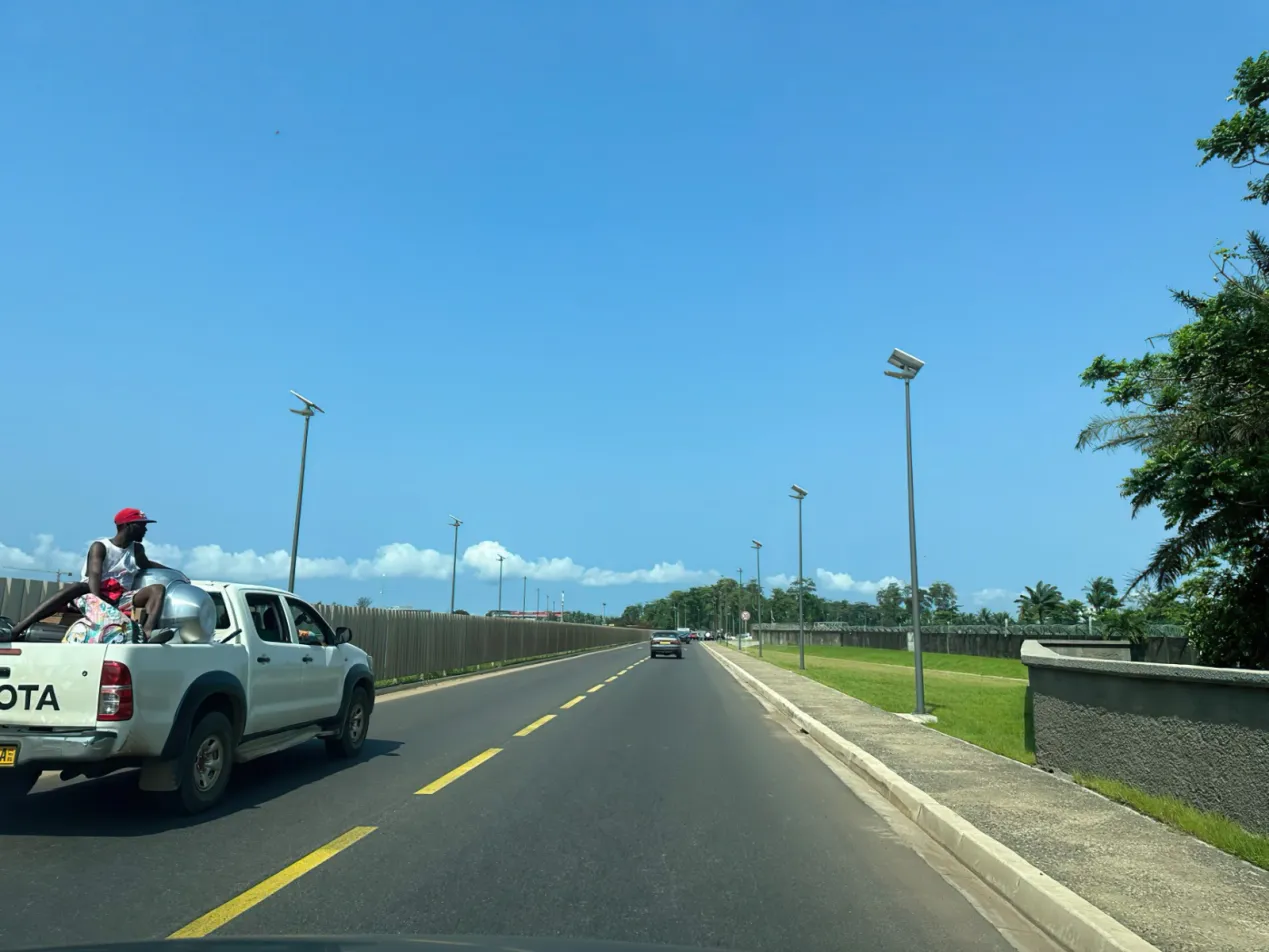
Solar street lights are widely used for roads, highways, parking lots, campuses, parks, and off-grid public lighting projects. This guide explains how solar street lights work, the main system types, key components, major applications, and how to choose the right configuration based on road width, pole height, lighting hours, local weather, and project conditions.
Quick Answer: A solar street light is an off-grid outdoor lighting system that uses solar panels, batteries, LED fixtures, and controllers to provide nighttime lighting. For commercial and public projects, the right solution depends on the application scenario, lighting standard, backup days, installation layout, and long-term maintenance requirements rather than wattage alone.
What Is a Solar Street Light?
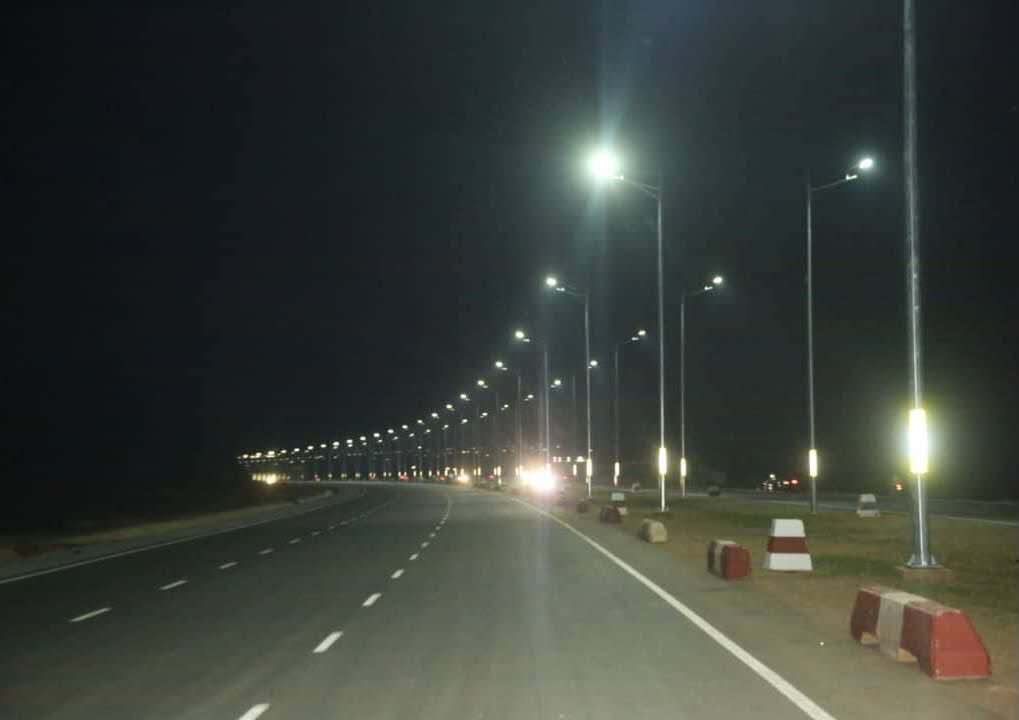
A solar street light is an off-grid outdoor lighting system powered by solar panels, batteries, LED fixtures, and smart controllers. It collects solar energy during the day, stores the energy in a battery, and uses it to power the light at night.
Solar street lights are commonly used for municipal roads, highways, parking lots, campuses, industrial parks, villages, and remote project areas where grid wiring is costly, difficult, or unavailable. Compared with traditional grid-powered lighting, they can reduce dependence on utility power and simplify installation in many project environments.
A typical solar street light system includes solar panels, batteries, LED fixtures, controllers, and mounting structures. These components must be matched correctly to achieve stable lighting performance in real outdoor conditions.
How Do Solar Street Lights Work?
Solar street lights operate through a simple energy cycle: collect solar energy during the day, store electricity in the battery, and use the stored power to run the LED light automatically at night.
- Solar Energy Collection: During the day, the solar panel absorbs sunlight and converts it into electricity. Daily energy generation depends on local sunlight, panel size, tilt angle, shading, and weather.
- Battery Storage: The generated electricity is stored in the battery for nighttime operation. Many commercial solar street lights use lithium or LiFePO4 batteries for stable performance and longer cycle life.
- Charge and Discharge Control: The controller manages energy flow between the solar panel, battery, and LED fixture. MPPT control can help improve charging efficiency under changing sunlight conditions.
- Automatic Lighting: When ambient light drops, the controller turns on the lamp automatically. Some systems also support motion sensing, dimming schedules, and smart control to save energy during low-traffic hours.
Main Types of Solar Street Lights
Solar street lights are available in different structural designs. The right type depends on the project location, road width, pole height, lighting requirements, installation conditions, and budget.
All-in-One Solar Street Lights
All-in-one solar street lights combine the solar panel, battery, controller, and LED fixture into one compact unit. They are easier to install and are commonly used for roads, campuses, parks, communities, and small-to-medium public lighting projects.
Split Solar Street Lights
Split solar street lights separate the solar panel from the LED fixture and battery system. This design provides greater flexibility for panel positioning, battery capacity, and installation layout, making it more suitable for highways, wide roads, and higher-demand projects.
All-in-Two Solar Street Lights
All-in-two solar street lights usually separate the solar panel from the lamp body while integrating the battery and controller inside the fixture. This structure balances appearance, installation flexibility, and lighting performance for many road projects.
Smart Solar Street Lights
Smart solar street lights can include remote monitoring, dimming control, motion sensing, fault alerts, and IoT-based management. They are suitable for smart city lighting, municipal roads, campuses, industrial parks, and projects that require centralized operation.
For on-site planning, you can also read our Solar Street Light Installation Guide for the key steps from site survey and foundation work to testing.
Solar Street Light Benefits
Lower Grid Dependence
Solar street lights reduce the need for grid electricity and underground wiring. This is especially useful for remote areas, rural roads, new developments, and project sites where grid extension is expensive or slow to implement.
Lower Long-Term Operating Costs
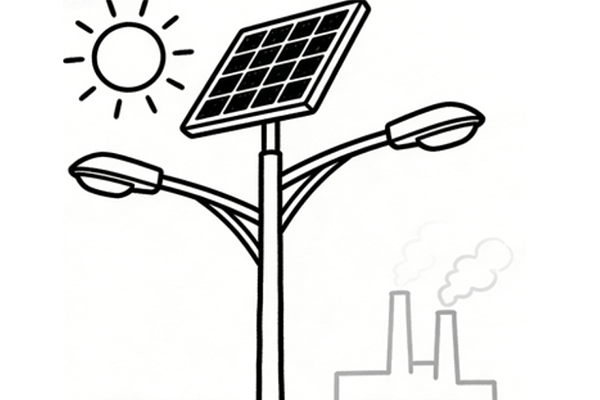
Solar street lights can help reduce long-term electricity and wiring costs. Maintenance usually focuses on panel cleaning, battery checks, fixture inspection, and controller settings rather than ongoing power consumption.
Reliable Outdoor Performance
With proper configuration, solar street lights can provide stable night lighting in different outdoor environments. IP-rated housings, durable structures, and battery protection help improve long-term reliability.
Fast and Flexible Installation
Because they do not require complex trenching or municipal cabling, solar street lights can often be installed faster than grid-connected lighting in many road and public infrastructure projects.
Suitable for Off-Grid Locations
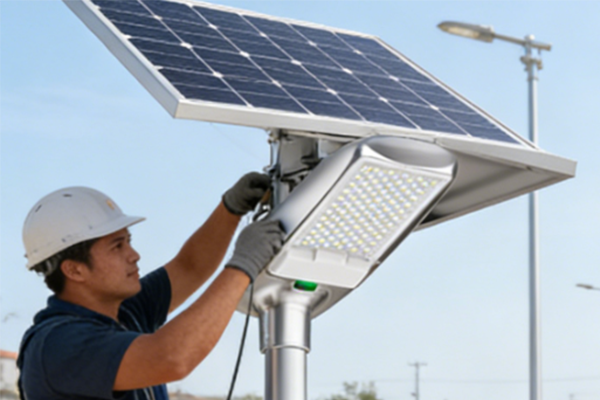
Solar street lights can be installed in areas without stable grid access, including rural roads, villages, construction sites, industrial zones, and temporary project areas.
Solar Street Light Applications
Municipal and Urban Roads
Solar street lights can support city streets, intersections, sidewalks, and public infrastructure projects where efficient and sustainable lighting is required.
Rural Roads and Highways
For long road sections or areas far from grid power, solar street lights can improve nighttime visibility while reducing the need for extensive electrical infrastructure.
Parks and Public Spaces
Parks, gardens, pathways, and recreational areas can use solar lighting to improve safety and visitor comfort with lower energy dependence.
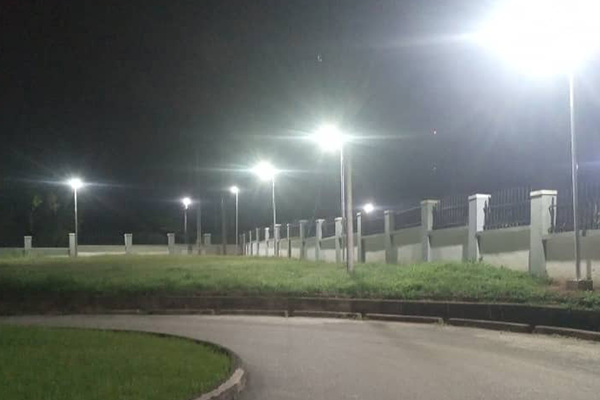
Parking Lots and Campuses
Solar street lights can illuminate parking areas, campus roads, entrances, and open lots, helping improve visibility, safety, and installation flexibility after dark.
Remote and Off-Grid Locations
Solar street lights can be deployed in villages, industrial sites, construction zones, and other areas where grid power infrastructure is unavailable or costly to install. See full solar street lighting solutions.
Solar Powered Street Lights vs. Grid LED Street Lights
Both solar powered street lights and grid LED street lights can provide efficient outdoor lighting, but they fit different project conditions.
- Power Source: Solar street lights use solar energy stored in batteries, while grid LED street lights rely on utility electricity.
- Installation: Solar lighting usually requires less trenching and wiring. Grid lighting often requires cables, switchgear, and utility connection work.
- Operating Cost: Solar lighting can help reduce ongoing electricity costs, while grid LED systems still depend on utility power.
- Application Flexibility: Solar street lights are often more suitable for remote, rural, temporary, and off-grid project areas.
Solar Street Light Components
The key components of a solar street light must work together to support reliable lighting performance.
- Solar Panel: Converts sunlight into electricity. Panel size and efficiency directly affect daily energy generation.
- Battery: Stores energy for nighttime lighting. Battery capacity should match lighting hours, backup days, local temperature, and project requirements.
- Charge Controller: Protects the battery, manages charging and discharging, and controls lighting modes.
- LED Fixture: Provides illumination. Light output, beam angle, color temperature, and optical distribution should be selected according to road width and pole height.
- Pole and Mounting Structure: Supports the solar panel and LED fixture. Anti-corrosion treatment, structural stability, and foundation design are important for outdoor projects.
- Optional Smart Controls: Motion sensors, timers, dimming programs, and IoT systems can help reduce energy consumption and improve management efficiency.
How to Choose the Right Solar Street Light Configuration
Choosing the right solar street light is not only about wattage. A suitable configuration should match the site conditions, lighting requirements, and project budget.
- Road Width and Pole Height: Wider roads usually require higher poles, suitable optics, or higher-output fixtures.
- Lighting Hours: Projects should define how many hours the light must operate each night.
- Rainy or Cloudy Days: Areas with frequent rainy weather may need larger battery capacity or optimized energy management.
- Solar Panel and Battery Capacity: The solar panel must generate enough energy, while the battery must store enough power for night operation and backup days.
- Application Scenario: Highways, municipal roads, parks, parking lots, campuses, and residential communities all have different lighting requirements.
FAQ About Solar Street Lights
How long do solar street lights last?
Service life depends on the solar panel, battery, LED fixture, controller, and installation environment. LED fixtures and solar panels usually last longer than batteries, while batteries may need replacement after several years depending on use and climate.
Do solar street lights work on cloudy or rainy days?
Yes. Solar street lights can still work on cloudy or rainy days if the system is designed with sufficient battery capacity and backup days. The required configuration depends on local weather and project requirements.
What battery is best for solar street lights?
LiFePO4 batteries are commonly used because they offer good safety, stable performance, and long cycle life. The best battery still depends on operating temperature, required lighting hours, and project budget.
How many watts are needed for a solar street light?
The required wattage depends on road width, pole height, lighting standard, beam angle, and application scenario. A narrow pathway needs far less output than a highway or large parking lot.
Are solar street lights suitable for highways and municipal roads?
Yes. Solar street lights can be used for highways and municipal roads when the system is properly designed. Larger projects may require professional lighting design, pole layout, battery sizing, and solar panel configuration.
How much does a commercial solar street light cost?
Commercial solar street light pricing depends on the lighting layout, required brightness, pole height, battery backup days, solar resource, control options, and project quantity. For an accurate quotation, road width, operating hours, installation location, and local weather conditions should be evaluated together rather than selecting only by wattage.
All-in-one vs split solar street lights: which is better for a project?
All-in-one solar street lights are compact and convenient for many roads, parks, campuses, and community projects. Split-type systems offer more flexibility for larger roads, higher mounting heights, or locations that need larger solar panels and batteries. You can also explore our solar street light range or view the Solar Star Light II for an integrated project option.
Conclusion
Solar street lights provide a flexible and sustainable lighting option for roads, parks, parking lots, campuses, residential communities, industrial zones, and off-grid locations. By combining solar panels, batteries, LED fixtures, smart controllers, and optional sensors, they can help reduce grid dependence and support reliable outdoor lighting.
For the best results, the system should be configured according to road width, lighting hours, local weather, installation environment, and project requirements instead of choosing by power label alone.
Need Help Choosing a Solar Street Light Configuration?
Tell us your road type, pole height, lighting hours, rainy days, and project location. Our team can help recommend a suitable solar street lighting solution for your application.
Get Project Advice