Solar Street Light vs Traditional LED Street Light: Which Is Better for Highways?
Apr 28, 2026
Read:1364
Preface
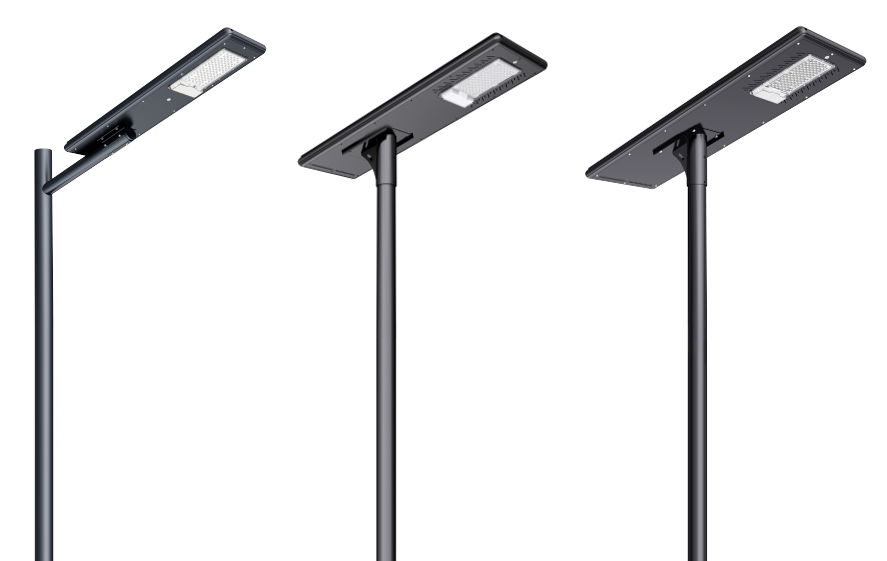
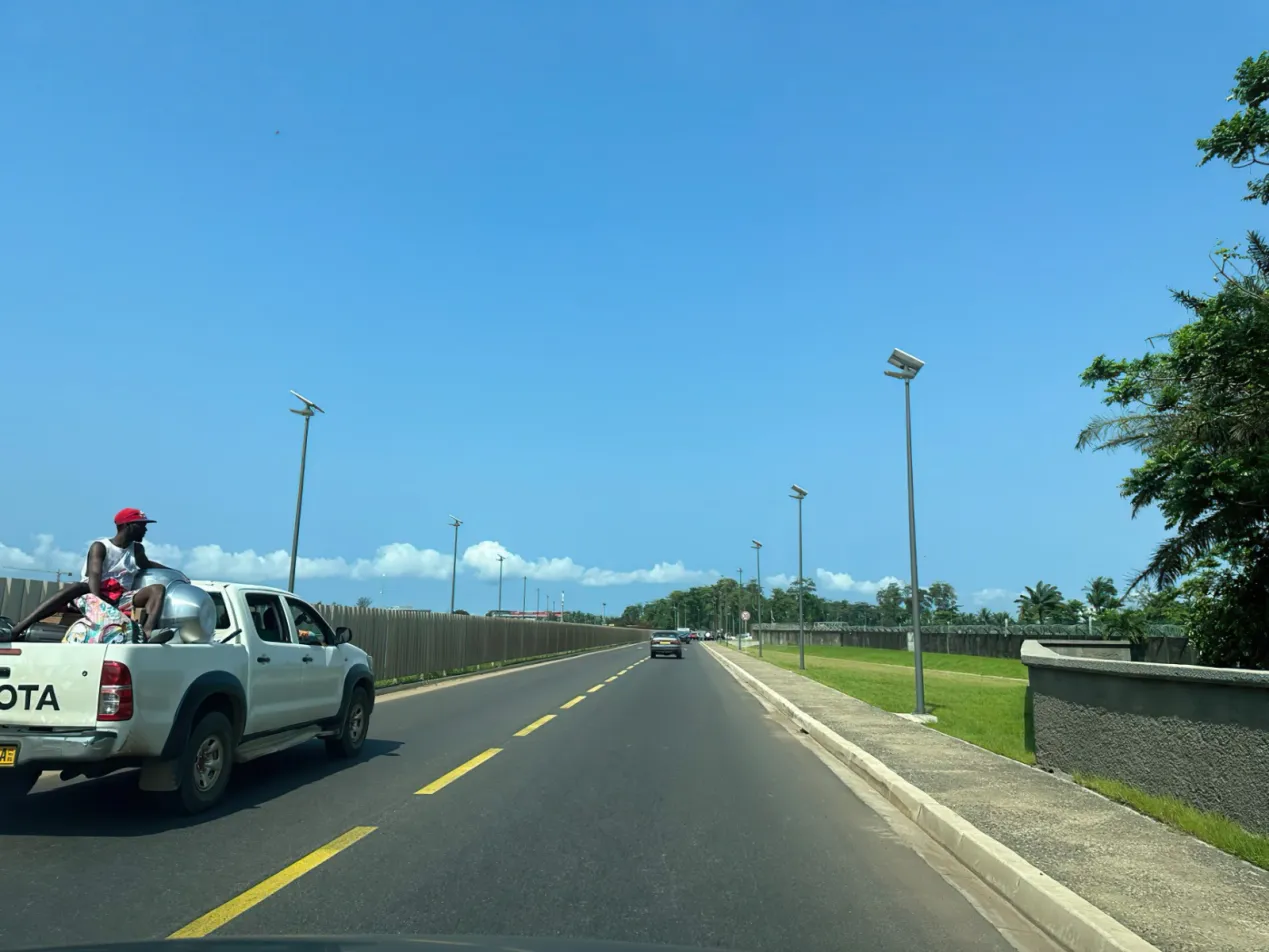
All in one solar street lights can be applied in many different scenarios, including highway lighting. When it comes to highway lighting, an unavoidable comparison arises with existing traditional LED highway street lights. After all, lighting technology is advancing, and lighting carriers also need to change according to demand. Therefore, this article will compare all in one solar street lights and traditional LED highway street lights, so that everyone can clearly understand the differences between them at a glance.
In order to make the comparison between all in one solar lights and traditional LED highway street lights fairer and more objective, and to make the value of the comparison more meaningful and effective, this article will conduct a one-by-one evaluation based on the same lighting effect. It will mainly think about and compare them from three dimensions: power consumption and energy saving, reliability, and service life. If you have a highway lighting project need, you may wish to read this article carefully, as it may give you some new ideas.
Alright, without further unnecessary words, let us get to the point and first look at an overall comparison. The conclusion comes first: under the same lighting effect, the comparison between all in one solar street lights and traditional LED highway street lights cannot focus only on power, but also needs to consider other influencing factors, including but not limited to the following sections:
Comparison Items | All in One Solar Street Light | Traditional LED Highway Street Light |
Light Source Type | LED (160-200 lm/W) | LED (120-150 lm/W) |
Power Supply | Photovoltaic + Lithium Iron Phosphate + MPPT Controller | Mains + Driver Power Supply |
Rated Power (Equivalent Illumination Effect) | 80-120W | 150-250W |
Daily Power Consumption | 0 kWh (Self-generated) | 1.5-3 kWh/light |
Annual Electricity Cost (at $0.12/kWh, 365 days) | $0 | $65-130/light |
Energy Self-sufficiency Rate | 100% (Independent System) | 0% (Dependency on Grid) |
Intelligent Dimming | Supported (Time-based/Induction Dimming) | Limited (Requires Additional Control System) |
Ineffective Energy Consumption | Extremely Low (On-demand Lighting) | High (Full Brightness All Night, Ineffective Energy Consumption Exceeds 50%) |
Key Reliability Factors | Battery lifespan, MPPT efficiency, protection level | Grid stability, cable aging, power supply lifespan |
Average lifespan | 5-8 years (main limitation: battery) | 3-5 years (main limitation: power supply) |
Installation cost | Low (no trenching or wiring required) | High (trenching, wiring, transformer) |
Maintenance cost | Low (few points of failure) | Medium-high (cable aging, continuous electricity costs) |
*Data based on typical highway lighting requirements (8-10m pole height, 30m spacing, same road surface illuminance ~20 lux). Actual values vary by project.
It can be seen that although both can achieve lighting, different carriers will produce different effects during application. The following will explain in detail the situations regarding power consumption, energy saving, reliability, and service life.
All in One Solar Lights vs. Traditional LED Highway Street Lights: Comparison of Power Consumption and Energy Saving
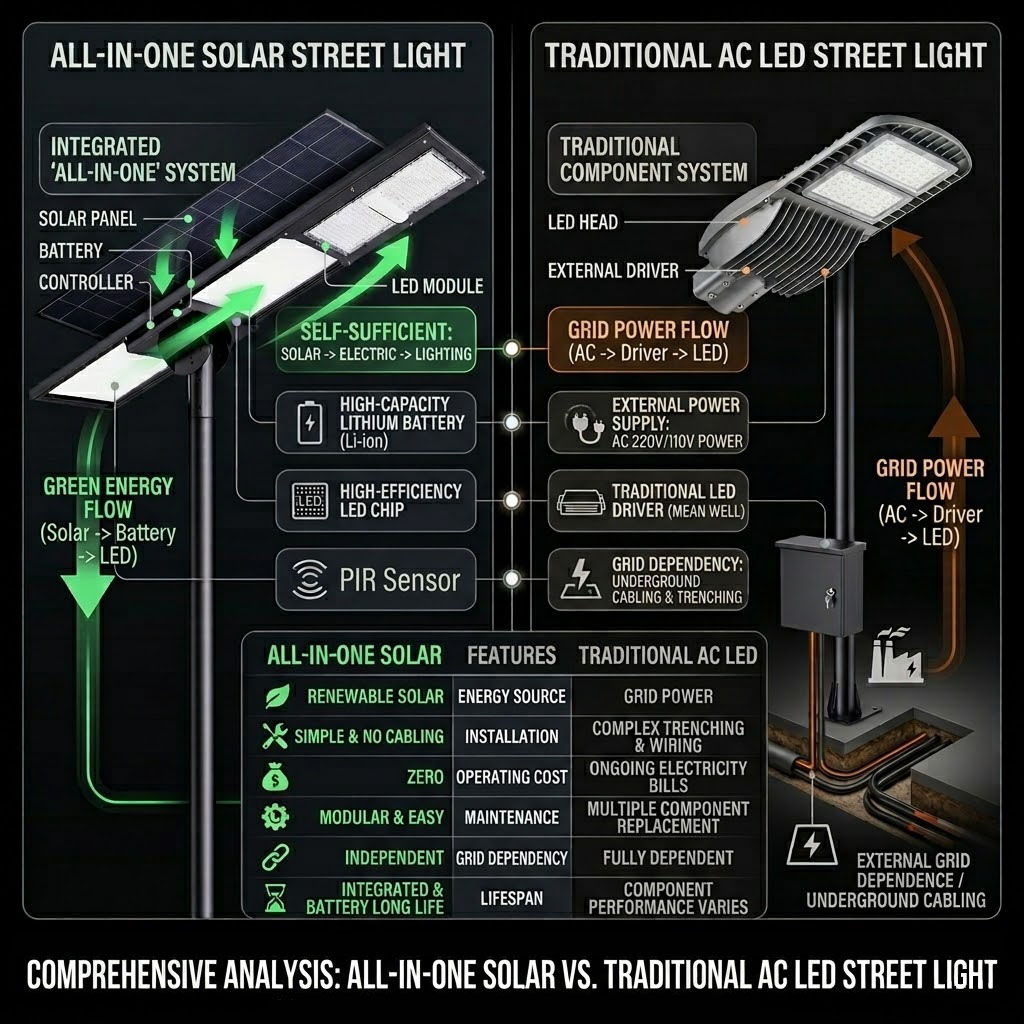
Under the condition of meeting the lighting requirements of highway scenarios and achieving the same lighting effect, the required power difference between all in one solar lights and traditional LED highway street lights is obvious. Since both use LED, the level of power consumption depends on the light distribution design. There is a gap in this aspect, but it is not that large.
What causes the large difference is the power consumption of the overall system. An all in one solar light is an independent lighting system. Power generation and discharge are both completed autonomously, with no need to consume electricity, and it can also rely on intelligent control to achieve dimming at different time periods. This means that it can be fully bright when traffic flow is heavy, and can be reduced to low power when there is no traffic, greatly saving energy consumption. Traditional LED highway street lights, however, are completely different. They need to rely on the power grid for electricity, and cannot realize intelligent dimming, remaining fully bright throughout the whole night. While electricity costs rise, ineffective energy consumption exceeds 50%.
savings example:
Consider a 10km highway with 250 street lights (40m spacing).
●Traditional LED (200W per light): Annual electricity consumption = 250 × 0.2kW × 12h/day × 365 = 219,000 kWh. At $0.12/kWh = $26,280/year in electricity costs alone.
●All-in-one solar (120W equivalent): $0 electricity. The upfront cost premium (if any) is typically recouped within 3-4 years through electricity savings alone.
All in One Solar Led Street Lights vs. Traditional LED Highway Street Lights: Reliability Comparison
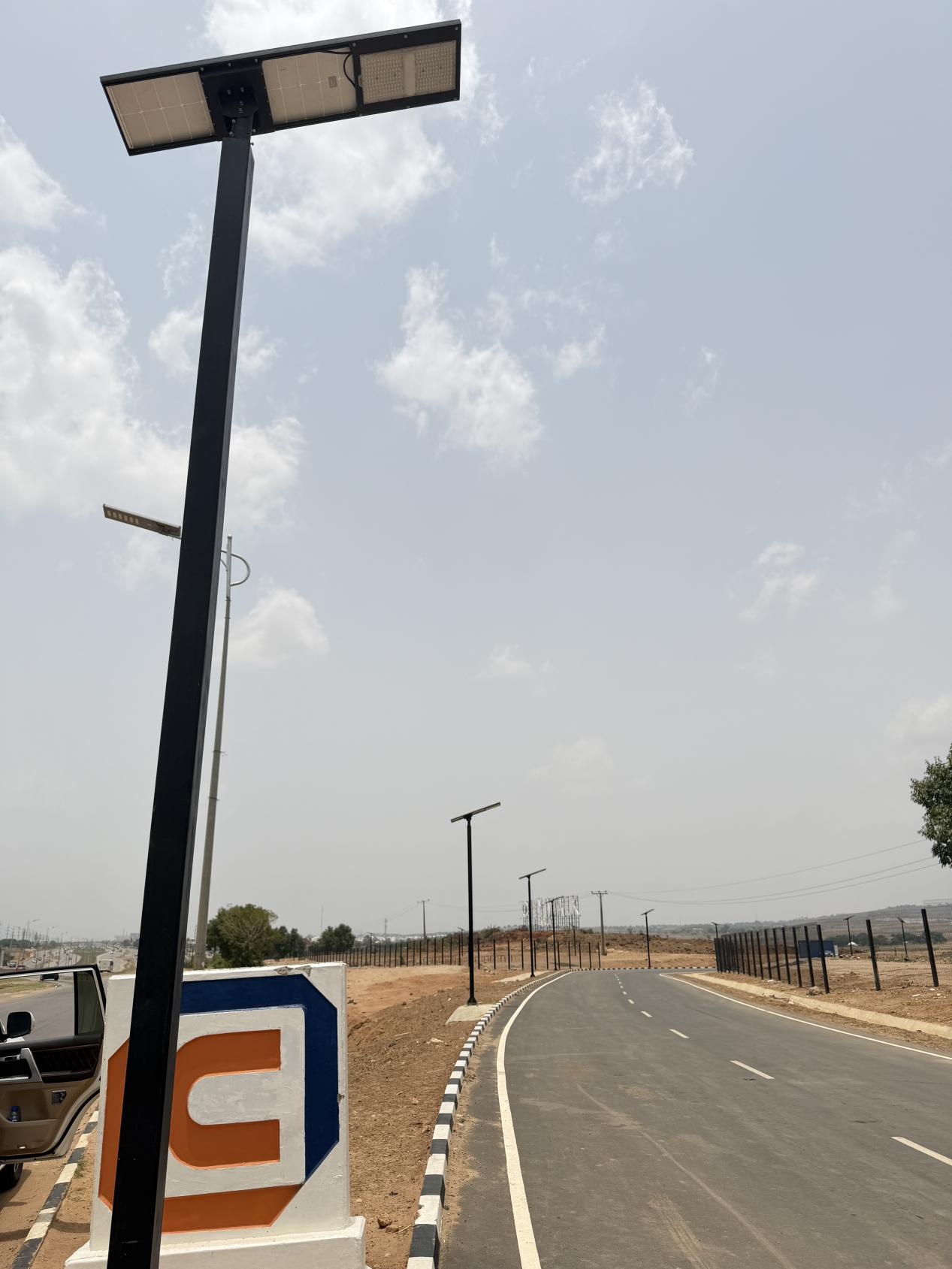
The reliability comparison between the two can be viewed from the following two dimensions. First, in terms of lighting stability, traditional LED highway street lights rely on grid power transmission, so their stability is somewhat stronger. All in one solar led street lights, relatively speaking, are more affected by the weather. Under continuous rainy and cloudy weather, the lighting will be relatively weaker. However, their stability does not depend solely on the weather, but more importantly on factors such as the battery, autonomy days, controller, and protection design.
Second, in terms of failure rate, the integrated design of all in one solar led street lights gives them strong internal sealing, enabling waterproofing, dustproofing, and high-temperature resistance, which greatly reduces the failure rate. Traditional LED highway street lights, relatively speaking, are affected by many factors, such as wiring and the power grid, so their failure rate increases significantly.
Traditional LED highway street lights, relatively speaking, are affected by many factors, such as wiring, the power grid, and so on, so the failure rate increases greatly.
All in One Integrated Solar Street Lights vs. Traditional LED Highway Street Lights: Service Life Comparison
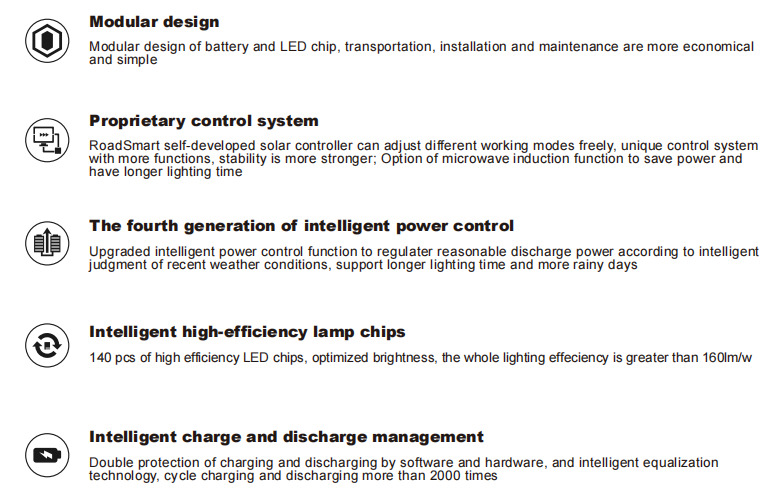
The comparison above covered energy consumption and reliability, which to a certain extent will also affect the service life of street lights. Let us first look at what the main factors affecting the service life of street lights are. Because the structures of all in one integrated solar street lights and traditional LED highway street lights are different, the influencing factors are also different. All in one integrated solar street lights are affected by the LED light source, battery, controller, solar panel, and so on. Traditional LED highway street lights are affected by LED lamps, driver power supply, wiring system, and so on. There is also the external environment, which affects both.
It can be seen that the factor that most affects the service life of traditional LED highway street lights is the driver power supply, which generally needs to be replaced every 3–5 years; while for all in one integrated solar street light, it is the battery, with an average service life of 5–8 years.
Total Cost of Ownership (TCO) Comparison (10-year horizon)
Cost Component | All-in-One Solar Street Lights | Traditional LED Street Lights |
Initial purchase (per light) | $350-500 | $150-250 |
Installation (per light) | $50-100 (pole mount only) | $300-600 (trenching, wiring, transformer) |
Electricity (10 years) | $0 | $650-1,300 |
Maintenance & replacement (10 years) | $100-200 (battery replacement once) | $200-400 (driver replacement 2-3x, cable faults) |
10-year TCO (per light) | $500-800 | $1,300-2,550 |
*Assumptions: 12h/night operation, $0.12/kWh electricity, 250 lights project scale. Actual savings vary by local labor and electricity costs.
Conclusion
Whether it is an all in one solar street light or a traditional LED highway street light, the above comparison dimensions only look at certain aspects and cannot fully summarize everything. These two types of street lights each have their own strengths. Overall, the advantages of all in one solar street lights are relatively more obvious, and they are also more in line with the global development trend of low-carbon emissions and energy conservation. Therefore, after comprehensively evaluating your project needs, if you are still not quite sure, you can consult RoadSmart, which will provide customized solutions for your specific project and offer you some effective screening and actionable suggestions.