7 Red Flags When Choosing an All-in-One Solar Street Light Supplier
Apr 17, 2026
Read:1515
Consider two quotations for an all-in-one solar street light. The housings look similar, both promise dusk-to-dawn operation, and one costs less. Which should you approve?
You cannot answer that from the price sheet alone. The cheaper offer might suit the project perfectly, or the two suppliers might be quoting different batteries, lighting schedules and accessories. First, find out what each price actually covers.
This checklist is for contractors, EPC teams and distributors buying in bulk from overseas suppliers. It focuses on the points to settle before approving samples, paying a deposit or releasing a shipment. A low price, a paid sample or a trading-company business model is not a reason on its own to reject an offer. An important question that remains unanswered is a reason to pause.
Quick Supplier Verification Checklist
Keep a record of the documents received from each supplier. A missing item is a question to resolve, not immediate proof of poor quality.
| What needs checking? | What should support the answer? |
| What does the price include? | Model-specific configuration, accessories and exclusions |
| What output and backup time are being promised? | Complete-luminaire photometric data, operating schedule and energy calculation |
| Will the proposed light suit the site? | Layout, site assumptions and agreed lighting criteria |
| Will the bulk order match the sample? | Approved reference sample, specification revision and inspection plan |
| Who makes the product and takes responsibility? | Contracting entity, manufacturer details and applicable model-specific documents |
| When and where will delivery take place? | Production milestones, inspection release and shipping responsibilities |
| What happens if a component fails? | Written warranty coverage, claim procedure, remedies and costs |
1. The Quotation Leaves the Configuration Open
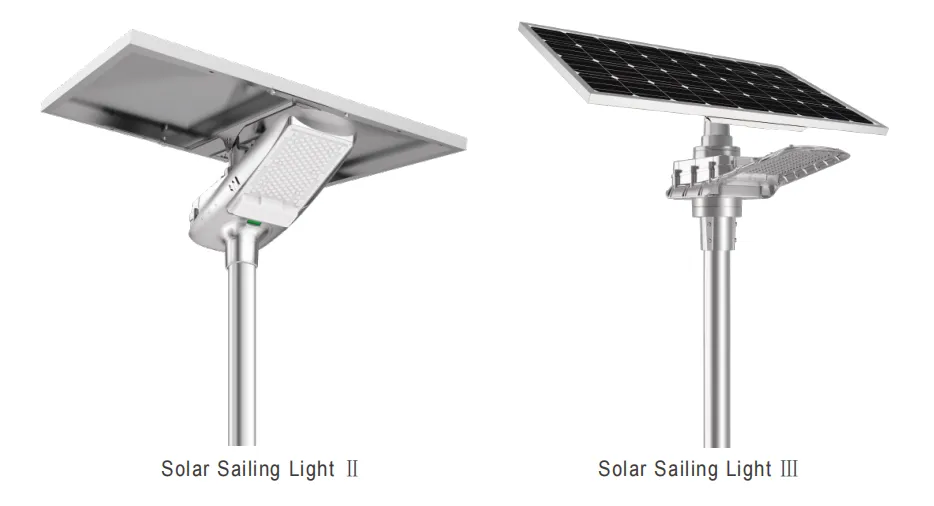
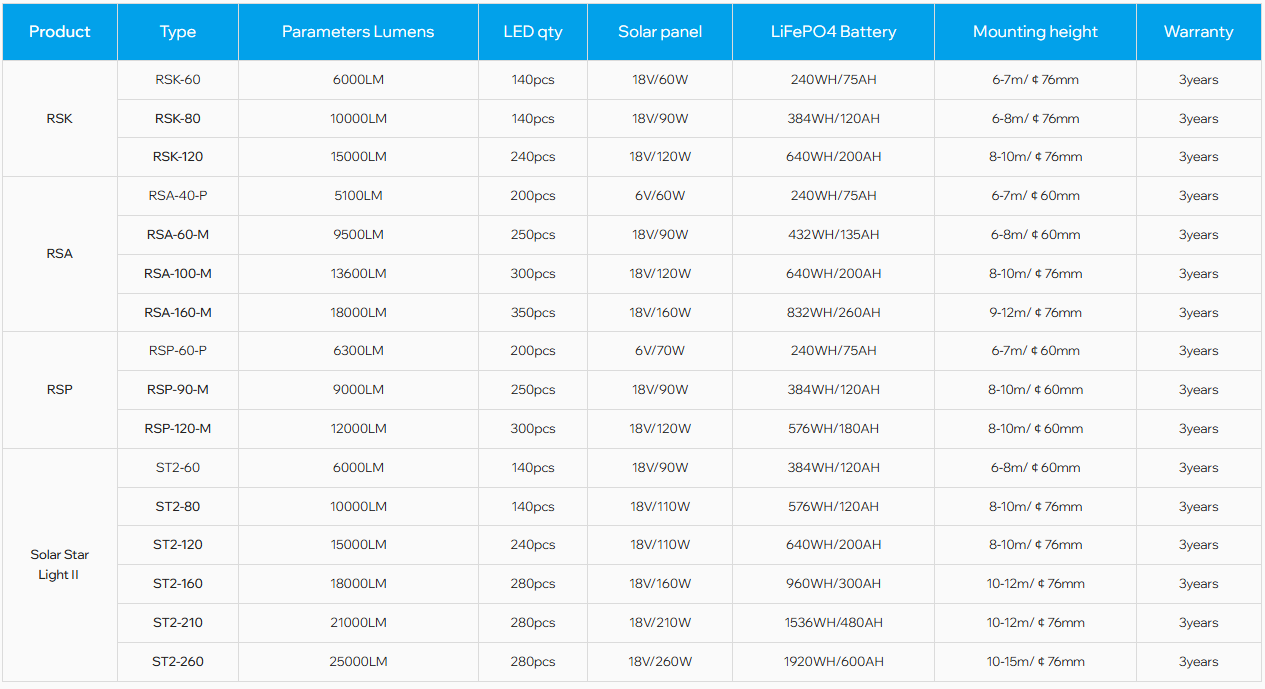
Start with the model number, but do not stop there. Similar housings can accommodate different panels, batteries, controllers and optics. A catalogue name is not a complete specification.
The quotation should identify:
- Actual luminaire electrical input power, distinct from any marketing wattage in the model name.
- Complete-luminaire light output and the setting at which it is measured.
- Panel rated power, battery chemistry, nominal voltage and rated energy in watt-hours (Wh).
- Controller program, mounting hardware and any poles, spare parts or accessories included.
With an all-in-one fixture, check the dimensions, panel adjustment limits and access to replaceable parts as well. These details affect installation and servicing, even when the electrical specification looks suitable.
Ask for a dated specification attached to the final quotation. Mark exclusions explicitly. A lamp-only price and a price including poles and mounting accessories are not directly comparable.
2. The Backup-Time Claim Has No Lighting Schedule
When a supplier says a light works for several rainy nights, ask a simple follow-up: at what output?
A system that dims during quiet hours is offering a different service from one that maintains its design output all night. Either approach may be appropriate, but the proposal needs to say which you are buying. Request the hours and electrical input at each level, sensor behaviour and low-battery settings.
Then look at the backup calculation. What is the starting battery charge? How much stored energy is available to the system? What temperature is assumed, and does the estimate include any solar charging during those days?
Brightness needs its own evidence. Check that the stated lumens refer to the assembled luminaire rather than the LED chips alone. The photometric data should match the quoted model, optics and operating setting.
The solar street light specifications guide explains how the lighting schedule, battery capacity and panel recovery assumptions fit together. For procurement, the immediate task is to obtain a calculation or test record that shows the service being promised, including output during the backup period.
3. The Recommended Model Has Not Been Checked Against the Site
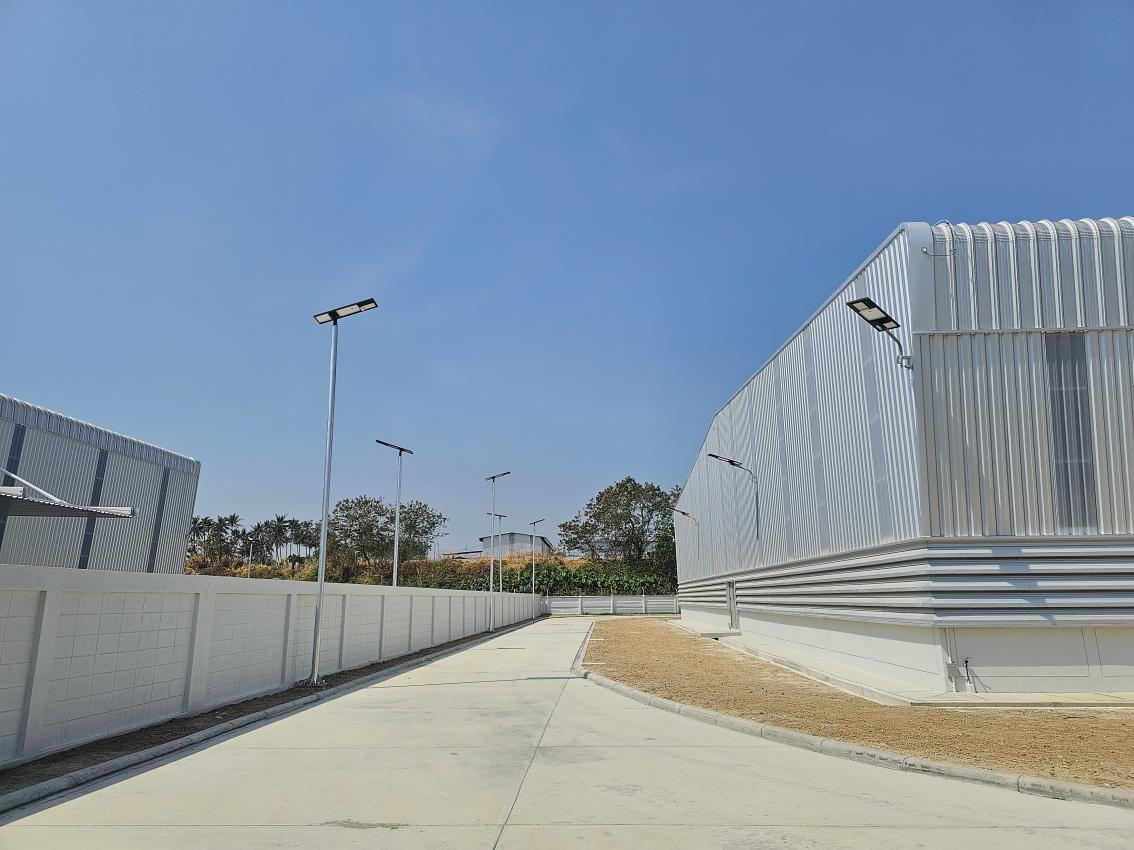
Wattage alone cannot tell you whether a road will be adequately lit. Road width, pole height, spacing, mounting geometry and optical distribution all affect where the light falls.
For an engineered road project, request a layout based on photometric data for the proposed luminaire. Agree on the local standard or tender criteria before comparing results, including uniformity and glare where required. DIALux's street-lighting guidance shows how parameters such as pole spacing and mounting height enter the design.
The integrated panel needs attention too. A light may fit the pole while its panel faces an unsuitable direction or sits under tree cover. The energy assessment should use the position available on site, not an ideal orientation that the fixture cannot achieve.
Read the lighting layout alongside the battery estimate. If the layout uses full output but the runtime estimate relies on extensive dimming, ask the supplier to reconcile them. A small replacement order may not need a full simulation; it still needs a defined lighting duty and a suitable installation position.
4. Nobody Has Defined How Bulk Goods Will Match the Sample
Sample approval answers one question: is this unit acceptable? The next question is how that approval will control the order.
Identify the reference sample and record its specification revision, battery, panel, controller program, optics and mounting interface. Agree which details must remain fixed and how proposed substitutions will be approved. Where component information is confidential, settle what performance and traceability evidence will be available instead.
An inspection plan should distinguish routine shipment checks from tests that need a laboratory or a longer field trial. Appearance, labels and packaging can be checked before dispatch, but a short switch-on demonstration does not establish several nights of operation.
Before production proceeds, connect the approved configuration to the batch records and agree the checks needed for shipment release. Whether the sample was free or paid matters less than whether both parties can identify what was approved.
5. The Documents Do Not Identify the Product or Responsible Company
Find out who manufactures the lights, who signs the contract and who will handle defects. A trading company can be a capable partner; what matters here is whether the supply arrangement and responsibilities are clear.
For test reports, read beyond the cover page. Check the model or covered product family, applicant, issuing laboratory, test standard and scope. Ask how the document relates to the exact configuration being quoted. A report for a different product does not settle the question.
Requirements also depend on the destination and tender. The EU's official CE-marking guidance, for example, explains manufacturer responsibilities and supporting documentation. A CE logo alone does not replace that evidence or answer every other market's requirements.
Project references can help you assess relevant experience, although client confidentiality may limit what can be shared. Company pages such as RoadSmart's workshop overview are a starting point for discussion, not a substitute for documents tied to your order.
6. "Delivery Time" Means Different Things to Each Side
Does "30 days" mean ready for inspection, handed to the carrier or delivered to your site? Those dates are not interchangeable.
Write down when the lead time starts. It may depend on the deposit, approved drawings, sample acceptance or a combination of these. Agree production checkpoints, inspection arrangements and the conditions for releasing the goods.
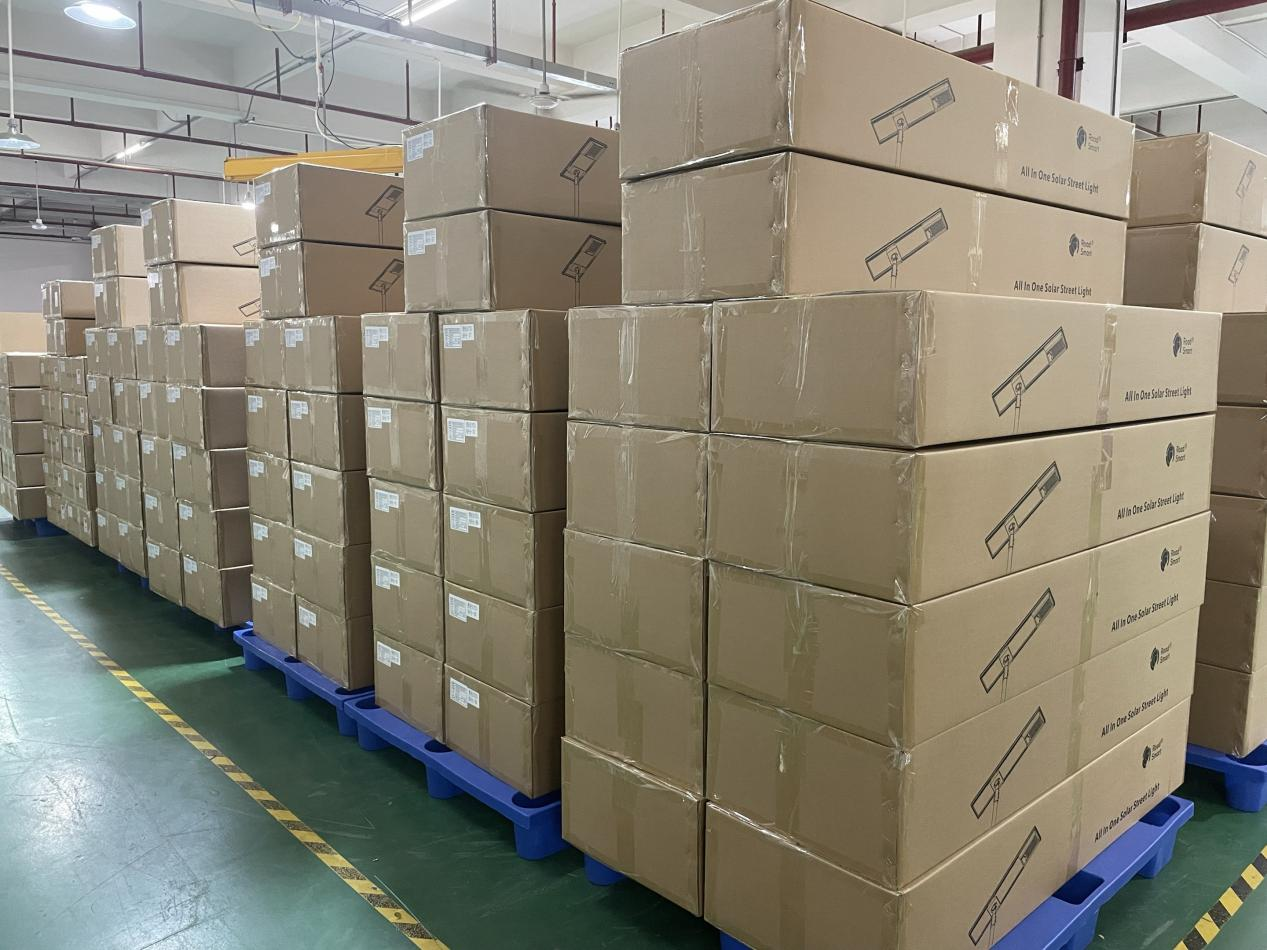
Shipping needs a separate check. Specify packaging, identify who supplies export and transport documents, and ask the freight forwarder to confirm battery-related requirements for the product and route. A document list from a previous shipment may not cover the next one.
The ICC's Incoterms 2020 guidance explains the allocation of costs, risks and obligations. Record the agreed rule, named place or port and edition in the contract. Payment, acceptance and warranty terms still need their own provisions.
Build the project schedule around both production and transit estimates, allowing for import clearance and site readiness rather than treating a factory lead time as an arrival guarantee.
7. The Warranty Gives a Duration but No Repair Route
Ask what would happen if a battery failed after installation. Who diagnoses the fault? What evidence is required? Would the supplier send a part, repair the unit or replace the luminaire?
Those questions make a warranty easier to assess than a headline alone. Check which components are covered, when coverage starts, the exclusions and any response commitments. Freight, import duties, labour and work at height should have an agreed owner.
For an integrated fixture, also ask how the battery and controller are accessed. Confirm whether individual parts can be replaced, what spares are available and what support is expected after the warranty expires.
A longer warranty with workable terms can be valuable. A shorter one is not automatically equivalent just because its wording is clearer. Compare duration and practical coverage together, then put the agreed service terms in writing.
Send the Same Project Brief to Every Shortlisted Supplier
You will get more comparable proposals if suppliers start with the same information:
- Installation country and location, including known shading and environmental constraints.
- Application, road or area dimensions, proposed pole height and spacing.
- Lighting hours, acceptable dimming and backup-period requirements.
- Applicable lighting standard, tender documents or acceptance criteria.
- Quantity, mounting requirements and branding or packaging needs.
- Required project date, destination and proposed inspection arrangements.
Ask suppliers to list deviations and assumptions instead of quietly filling in missing details. Compare equipment, freight, installation implications and service responsibilities together. If a proposal includes future replacement costs, check the lifespan assumptions behind them.
Keep the accepted specification, sample record, inspection plan, delivery milestones and warranty terms in one order file. That gives the purchasing team, inspector and supplier the same reference.
Resolve the Gaps Before the Next Payment
An overseas order does not become safer simply because the supplier has a polished catalogue or a long warranty. What helps is knowing what has been agreed and having evidence for the claims that matter to the project.
Use the checklist to identify open questions, then resolve the important ones before committing to the next purchasing stage.
You can explore RoadSmart's all-in-one solar street light range when shortlisting models. To discuss a purchase, send your location, quantity and lighting requirements so the model recommendation and quotation can be assessed against your intended application.