60W All-in-One Solar Street Light Price & Performance Analysis
Apr 17, 2026
Read:499
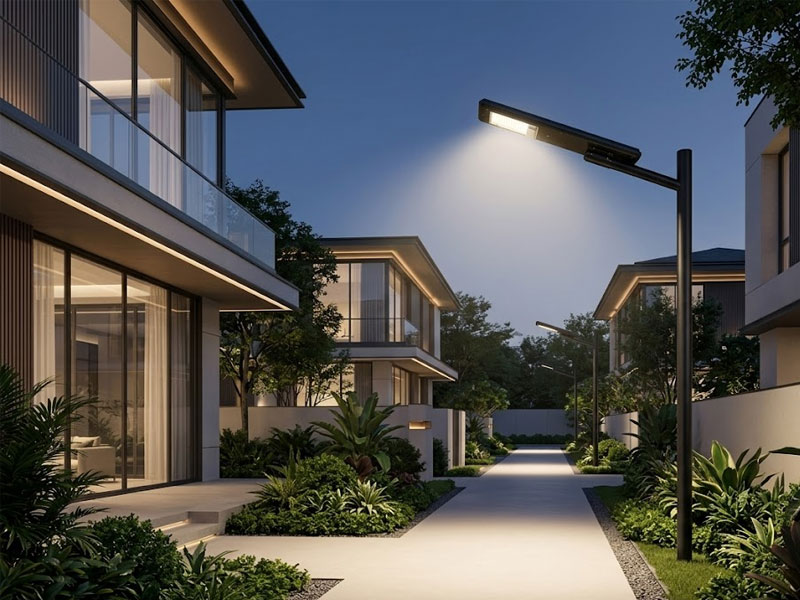
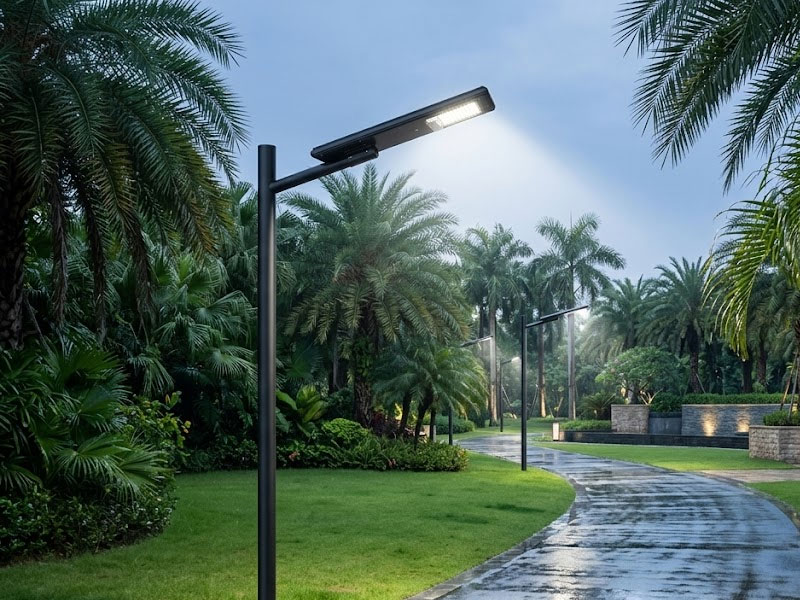
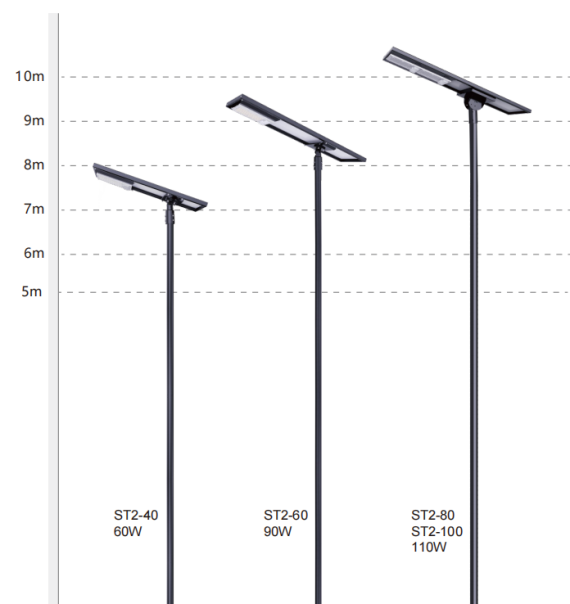
The 60W all-in-one solar street light is globally recognized as the standard infrastructure model for single-sided and dual-carriageway illuminations. It is widely deployed across municipal roads, industrial parks, expansion highways, and commercial parking lots. Because 60W represents the "sweet spot" for mid-to-high pole installations (6–8 meters), its global market demand outweighs most other specifications.
However, browsing the B2B supply chain reveals a massive issue: while different 60W integrated solar lights look identical on the surface, their wholesale costs vary drastically. This is because "60W" is merely a generic commercial model name. Hidden differences in component chemistry, internal efficiency, and engineering build standards dictate both the field performance and the final quotation. This comprehensive analysis evaluates the market price ranges, Bill of Materials (BOM) cost drivers, and performance testing benchmarks to guide your next project procurement.
Why Do 60W All-in-One Solar Street Light Prices Vary So Greatly?
An integrated solar street light is a compact, decentralized power grid. Because there is no external wiring, its longevity depends entirely on internal hard costs. Cheap manufacturers lower their ex-factory prices by compromising the quality of these four core components:
- ◆ Solar Photovoltaic (PV) Panel: Premium Monocrystalline silicon modules feature a 21.5%–23% conversion efficiency. They are roughly 20%–30% more expensive than low-grade Polycrystalline alternatives, but they guarantee fast daytime charging within constrained physical footprints.
- ◆ Battery Energy Storage (The Main Cost Driver): Upfront manufacturing costs are heavily dictated by battery chemistry. Retail-grade lights utilize recycled ternary lithium cells. Engineering-grade lights rely exclusively on brand-new A-grade LiFePO4 (Lithium Iron Phosphate) cells, which cost 30% more but elevate the lifespans to 5–8 years (2,000+ full cycles).
- ◆ LED Light Source & Optical Lenses: High-efficiency chips (such as Philips or Bridgelux) combined with custom batwing polar lenses maximize luminous efficacy up to 170lm/W, delivering true brightness while preventing severe thermal degradation.
- ◆ Heavy-Duty Housing Material: Outdoor durability requires structural die-cast aluminum alloy casings with certified IP66 waterproof and IK08 impact ratings to resist intense UV exposure, coastal salinity, and monsoon environments.
Market Benchmark: 60W Integrated Solar Street Light Price Tiers
To protect your project from underperforming configurations or tender disqualification, utilize this baseline cost-to-performance classification matrix common in international wholesale procurement:
*Note: Technical metrics below are verified by RoadSmart Laboratory testing standards.
| Market Tier Classification | Wholesale Price Range (FOB) | Technical Core Configuration |
| Entry-Level 60W Grade | $100 – $120 USD / unit | Standard Polycrystalline panel, generic controller, basic lithium cell. Intended for low-traffic rural pathways or temporary courtyard lighting. |
| Balanced Commercial 60W | $120 – $150 USD / unit | Monocrystalline PV panel, standard LiFePO4 battery, optimized lumen outputs. Suitable for secondary urban streets, residential zones, and schools. |
| RECOMMENDED Engineering Grade (Tender Spec) | $150 – $200+ USD / unit | Oversized premium Monocrystalline PV, deep-cycle LiFePO4 bank, advanced MPPT programmable controller, industrial aluminum IP65 casing. Built for municipal highways and government projects. |
| Full Turnkey Set (with 6m Pole) | $150 – $350+ USD / set | Includes the complete industrial 60W solar luminaire head, hot-dip galvanized wind-resistant steel pole (6 meters), internal wiring loom, and anchoring J-bolts. |
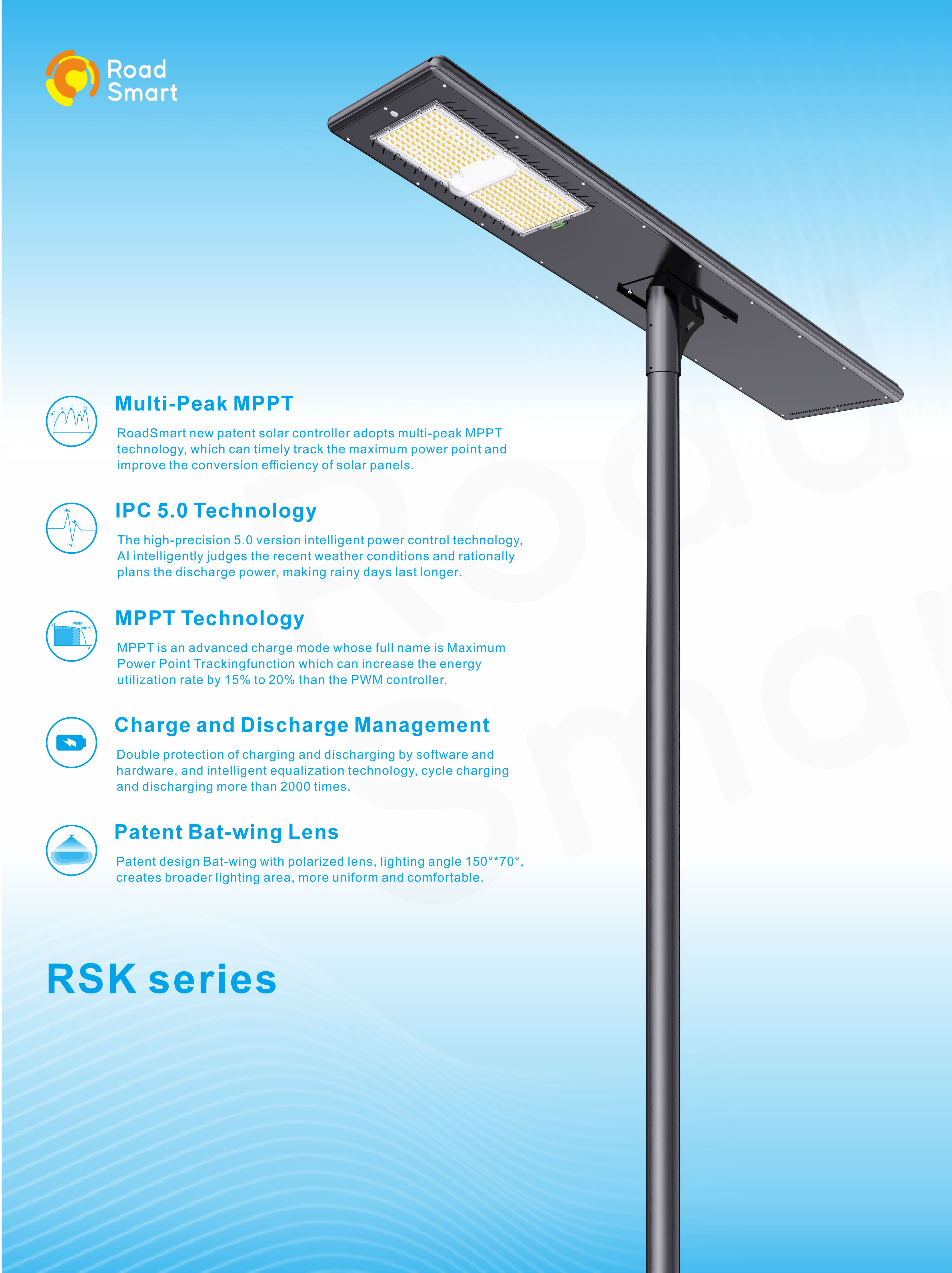
Industry Reference: Technical Evaluation of RoadSmart’s RSK-60 Model
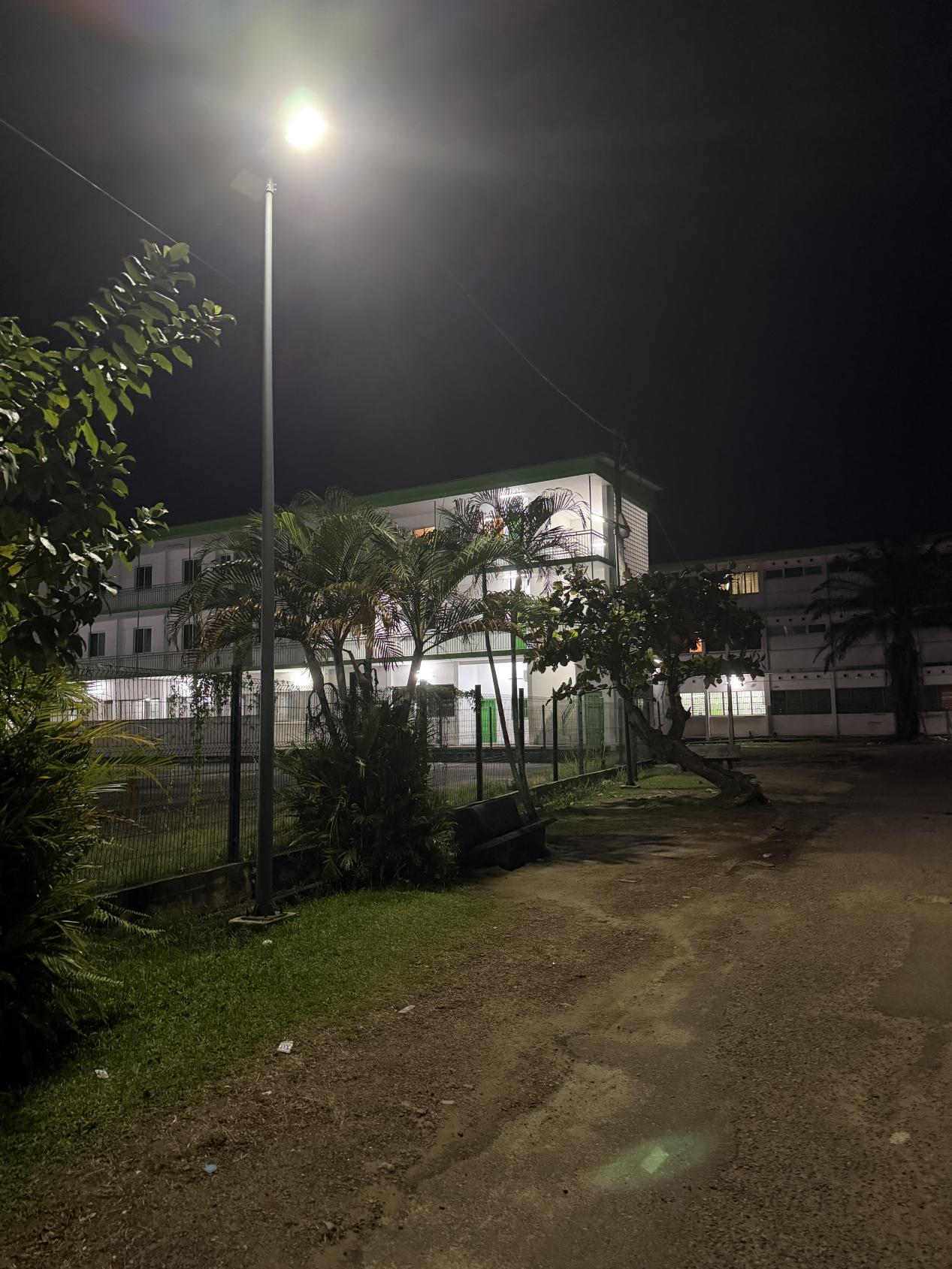
When submitting technical qualification datasheets for road lighting consultants, vague estimates will lead to rejections. As an industry benchmark, the RoadSmart RSK-60 model provides fully disclosed parameters to ensure absolute transparency:
Conclusion
Initial purchasing price should never be analyzed in isolation. Cheap 60W models incur rapid battery dropouts, poor field uniformities, and high maintenance costs that quickly drain municipal budgets. Prioritizing verified component specs, such as high-capacity LiFePO4 storage and monocrystalline tracking, ensures a stable, long-term infrastructure lifecycles that delivers total peace of mind.
Frequently Asked Questions (FAQ)
Q: Why do brightness levels vary so much among different 60W all-in-one solar street lights?
A: Wattage represents power consumption, not actual light output. Brightness depends entirely on LED luminous efficacy (lm/W), driving current optimization, and optical lens engineering. Inferior 60W setups emit low lumens, while professional engineering systems reach 6,000 lm to over 10,000 lm using premium chip architectures.
Q: How many days of autonomy can a 60W integrated solar light achieve in cloudy or rainy weather?
A: Standard industrial models provide 3 to 7 days of continuous rainy day autonomy. This requires an optimal balance between battery capacity, highly efficient MPPT solar tracking, and intelligent programmable dimming strategies that scale down power outputs during low-occupancy midnight hours.
Q: During B2B procurement, should I prioritize light wattage or total lumen output?
A: Always evaluate lumens, component configurations, and target lux distributions before looking at wattage. Simply comparing the "60W" label does not represent equal performance. True due diligence requires an audit of the PV panel materials, total battery watt-hours (Wh), and certified structural certifications.
Get a Factory Direct 60W Solar Street Light Cost Estimation
Are you compiling technical proposals for an upcoming government municipal tender or reviewing stable factory pricing for bulk regional distribution? Rely on RoadSmart's 15+ years of production expertise.
Get Your Customized 60W Solution & BOM Cost BreakdownTable of Contents