All-in-One Solar Street Lights for Parking Lots
Jun 29, 2026
Read:485
Introduction
Parking lot lighting affects nighttime safety, vehicle movement, visitor confidence, and daily operating cost. For shopping centers, logistics yards, factories, campuses, hotels, hospitals, and public parking areas, the lighting system must be reliable, easy to install, and practical to maintain.
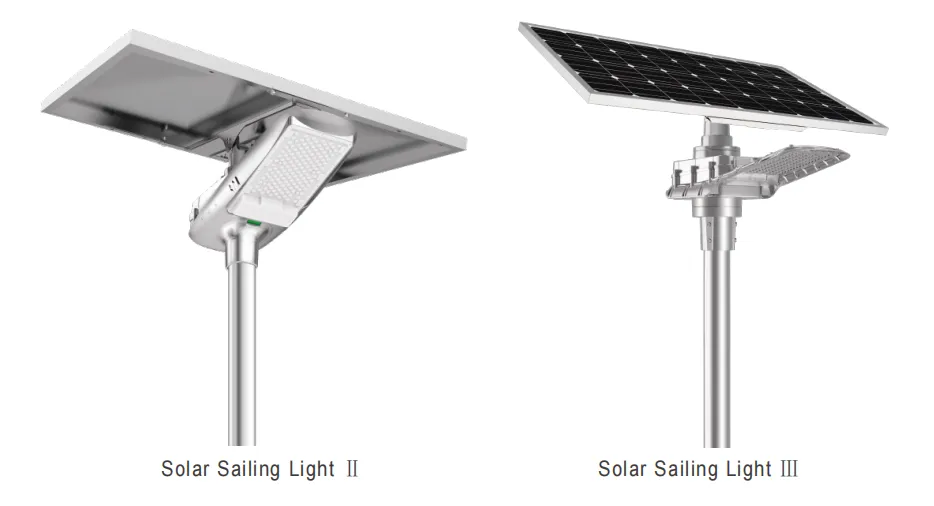
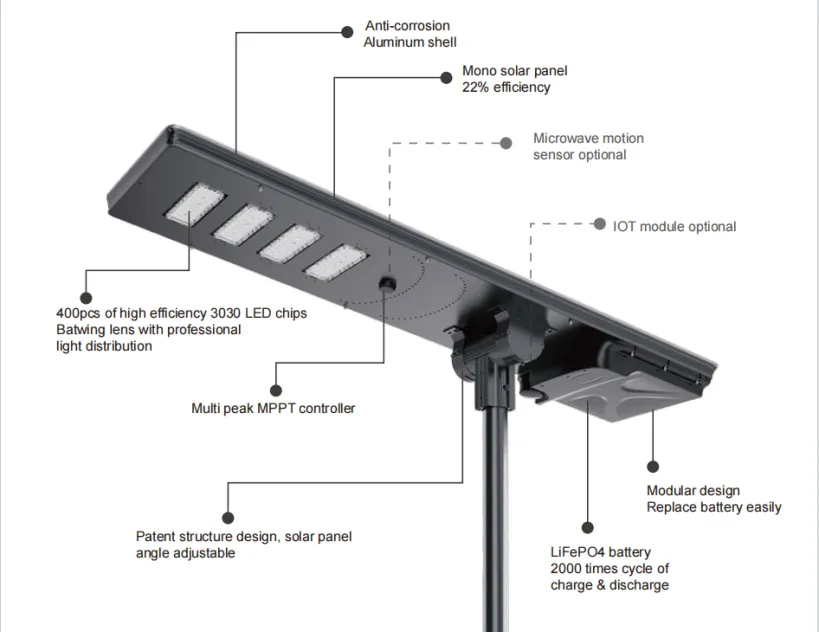
All-in-one solar street lights are a practical option for many parking lot projects because the solar panel, LED module, LiFePO4 battery, and controller are integrated into one compact fixture. This reduces trenching, cable work, and grid dependency, especially for outdoor parking lots, remote sites, temporary facilities, and retrofit projects where wiring is difficult or expensive.
This guide explains how to choose all-in-one solar street lights for parking lots from a project buyer's perspective, including pole height, brightness, parking layout, battery backup, control mode, and long-term maintenance.
Why Use All-in-One Solar Street Lights for Parking Lots?
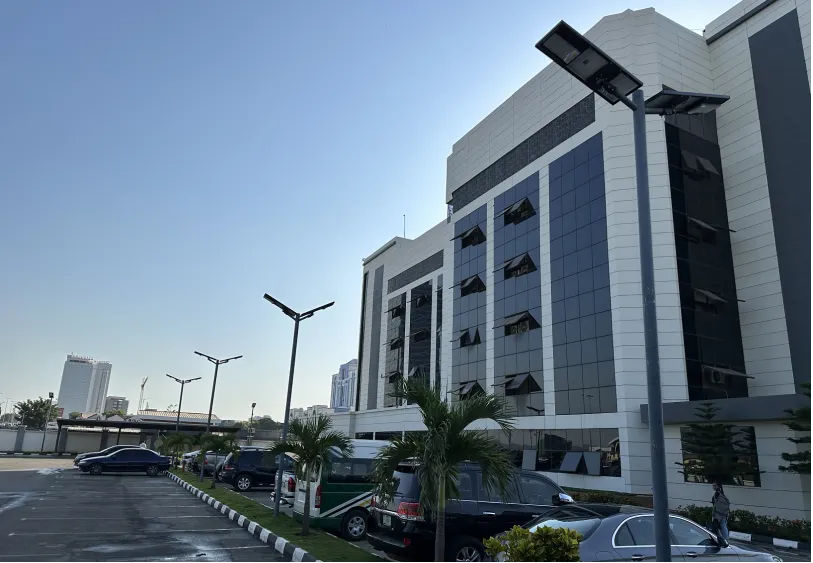
Parking lots usually need stable lighting across entrances, driving lanes, pedestrian paths, loading areas, and parking spaces. Traditional grid lighting may require underground cables, distribution boxes, road cutting, and long construction coordination. Solar parking lot lighting can simplify this process when the site has enough sunlight and suitable pole locations.
Compared with split solar lighting systems, an all-in-one solar street light is easier to install because the main components are integrated into one fixture. This makes it suitable for projects that need faster deployment, cleaner appearance, and lower installation complexity.
- No trenching required: useful for existing parking lots, paved areas, industrial yards, and sites where cable laying is costly.
- Independent solar power: each light works as a standalone unit, reducing dependence on the grid.
- Lower installation complexity: integrated structure helps contractors shorten installation time.
- Smart lighting control: motion sensor, time control, and dimming modes can help balance brightness and battery backup.
- Flexible project use: suitable for commercial parking lots, factory areas, logistics parks, campuses, residential communities, and public facilities.
How Solar Parking Lot Lights Help Control Project Costs
For many parking lot projects, the purchase price of the fixture is only one part of the total cost. Civil work, cabling, electricity consumption, maintenance access, and future expansion should also be considered. All-in-one solar street lights can reduce some of these costs when the project conditions are suitable.
The biggest saving often comes from avoiding underground wiring and grid connection work. This is especially valuable for large outdoor parking lots, newly built industrial sites, temporary parking areas, or locations far from existing power infrastructure.
- Installation cost: fewer cables and less civil construction can reduce installation workload.
- Energy cost: solar power reduces daily electricity use for outdoor lighting.
- Expansion cost: additional lights can be installed in new zones without redesigning the full power network.
- Maintenance planning: modular components make inspection and replacement easier for project teams.
The final cost depends on project size, pole height, required brightness, local sunlight, lighting hours, and battery backup days. For engineering projects, it is better to calculate the configuration based on actual site requirements rather than choosing only by wattage.
How to Choose Solar Street Lights for Parking Lot Projects
A parking lot lighting project should not be selected only by LED wattage. Buyers and contractors should first confirm the lighting area, traffic flow, pole layout, brightness expectation, and required operating time. These details directly affect the solar panel size, battery capacity, mounting height, and light distribution.
1. Match Pole Height with Parking Lot Layout
Small parking areas may use lower poles, while large commercial or industrial parking lots often require higher poles and wider lighting coverage. The goal is to avoid dark spots between parking rows, entrances, pedestrian walkways, and turning areas.
2. Choose Brightness Based on Usage Scenario
A hotel parking lot, residential community, factory yard, and logistics center may require different brightness levels. Areas with night vehicle movement, security monitoring, or pedestrian access usually need more careful lighting distribution.
3. Confirm Solar Panel and Battery Backup
Solar panel power and battery capacity should be configured according to local sunshine hours, rainy days, and required lighting hours. For outdoor parking lots that operate every night, battery backup is one of the most important configuration points.
4. Use Smart Control to Balance Brightness and Runtime
Motion sensor and time-control dimming can help parking lots maintain useful lighting while saving battery power during low-traffic hours. This is helpful for campuses, warehouses, industrial parks, and commercial parking areas with changing night traffic.
5. Request a Project-Based Lighting Proposal
For medium and large parking lots, a layout recommendation or lighting simulation can help reduce blind spots and avoid overbuying. RoadSmart can support project buyers with model selection, pole layout suggestions, and configuration recommendations based on project needs.
Common Parking Lot Applications
All-in-one solar street lights can be used in many outdoor parking scenarios. The configuration should be adjusted according to site size, lighting hours, security requirements, and installation conditions.
- Commercial parking lots: shopping centers, supermarkets, hotels, and office parks.
- Industrial parking areas: factory yards, warehouse entrances, loading areas, and logistics parks.
- Public facilities: schools, hospitals, parks, transport stations, and community parking areas.
- Remote or off-grid sites: rural facilities, temporary parking zones, and areas with limited grid access.
- Retrofit projects: existing paved parking lots where trenching and cable work are inconvenient.
RoadSmart Support for Parking Lot Solar Lighting Projects
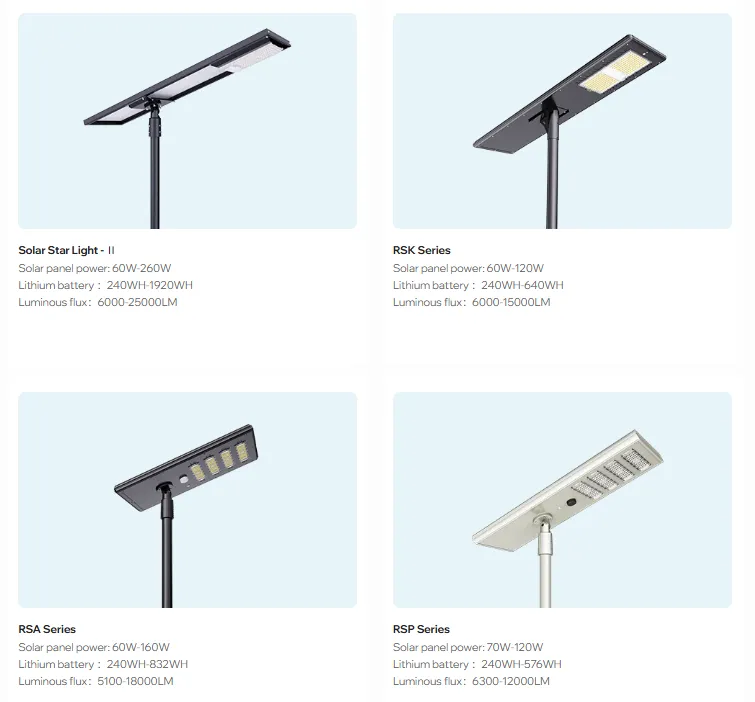
RoadSmart focuses on solar street light products and project-based lighting solutions for roads, parking lots, campuses, industrial parks, villages, and public areas. For parking lot projects, our team can help buyers compare suitable all-in-one solar street light models according to installation height, lighting area, working mode, battery backup, and budget range.
If you are a contractor, distributor, project owner, or purchasing manager, you can share your parking lot size, pole height, location, and required lighting hours. We can recommend a more practical configuration before bulk purchasing.
Related product page: All-in-One Solar Street Light. For project support, you can also contact RoadSmart for model recommendations.
Conclusion
All-in-one solar street lights can be a cost-effective and flexible lighting solution for many parking lot projects, especially when grid wiring is difficult, installation time is limited, or the site needs independent outdoor lighting. The key is to choose the configuration based on real project conditions instead of relying only on lamp wattage.
Before purchasing solar parking lot lights, confirm the parking layout, pole height, lighting coverage, local sunlight, operating hours, and backup days. These details will help you select a more reliable and economical solar street lighting solution.
FAQ
Are all-in-one solar street lights suitable for parking lots?
Yes. They are suitable for many outdoor parking lots, especially commercial parking areas, factory yards, campuses, public facilities, and retrofit projects where trenching or grid wiring is difficult. The final configuration should be selected according to lighting area, pole height, sunlight, and backup requirements.
What pole height is commonly used for solar parking lot lights?
Pole height depends on the parking lot size and lighting coverage target. Smaller parking areas may use lower poles, while large parking lots usually need higher poles and a more careful layout plan. A project layout check is recommended before bulk purchasing.
How many solar street lights are needed for a parking lot?
The quantity depends on the parking area size, pole spacing, mounting height, brightness requirement, and whether the lights cover drive lanes, entrances, pedestrian paths, or security zones. For accurate planning, share a site drawing or parking lot dimensions with the supplier.
Can solar parking lot lights work during rainy days?
Solar parking lot lights can be configured with battery backup for cloudy or rainy days. Backup performance depends on battery capacity, lighting mode, local weather, and actual energy consumption, so it should be calculated based on the project location.
What information should I provide before requesting a parking lot lighting proposal?
Useful information includes project country, parking lot size, pole height, required lighting hours, rainy-day backup requirement, site photos or drawings, and whether the project is new construction or retrofit. These details help the supplier recommend a more suitable solar street light configuration.