How to Verify a Reliable All-in-Two Solar Street Light Factory (2026): 6 Key Evaluation Criteria
Aug 07, 2026
Read:366
Quick Answer
A reliable all-in-two solar street light factory should be able to prove more than low pricing and nice product photos. Buyers should expect visible production capability, model-matched certifications, transparent component configuration, consistent quality-control processes, realistic warranty terms, and the ability to deliver bulk orders without changing the agreed specification halfway through production.
That is the practical standard. In real sourcing, the biggest risk is usually not that the supplier cannot assemble a lamp. It is that the supplier cannot keep the product consistent, explain the system clearly, or support the project once the order becomes large and time-sensitive.
Introduction
When buyers search for an all-in-two solar street light factory, the first few pages usually look very convincing. Factory photos are polished. Product names sound similar. Nearly every supplier claims strong quality, strong delivery, and strong after-sales support.
The difficulty starts when the project becomes real. A buyer needs to know whether the supplier is an actual manufacturer, whether the technical data reflects the real configuration, whether the sample and mass order will stay aligned, and whether the factory can still support the project after shipment.
That is especially important for all-in-two solar street lights because the product is not just a shell with a panel attached. Panel size, battery capacity, controller logic, LED output, and rainy-day endurance all affect the final result. If the supplier cannot explain those relationships clearly, the quotation may look acceptable while the project risk remains high.
This guide explains what buyers should actually verify before bulk purchasing from an all-in-two solar street light factory, and how the source material positions RoadSmart across those decision points.
Why Do All-in-Two Solar Street Lights Depend More on Factory Capabilities?
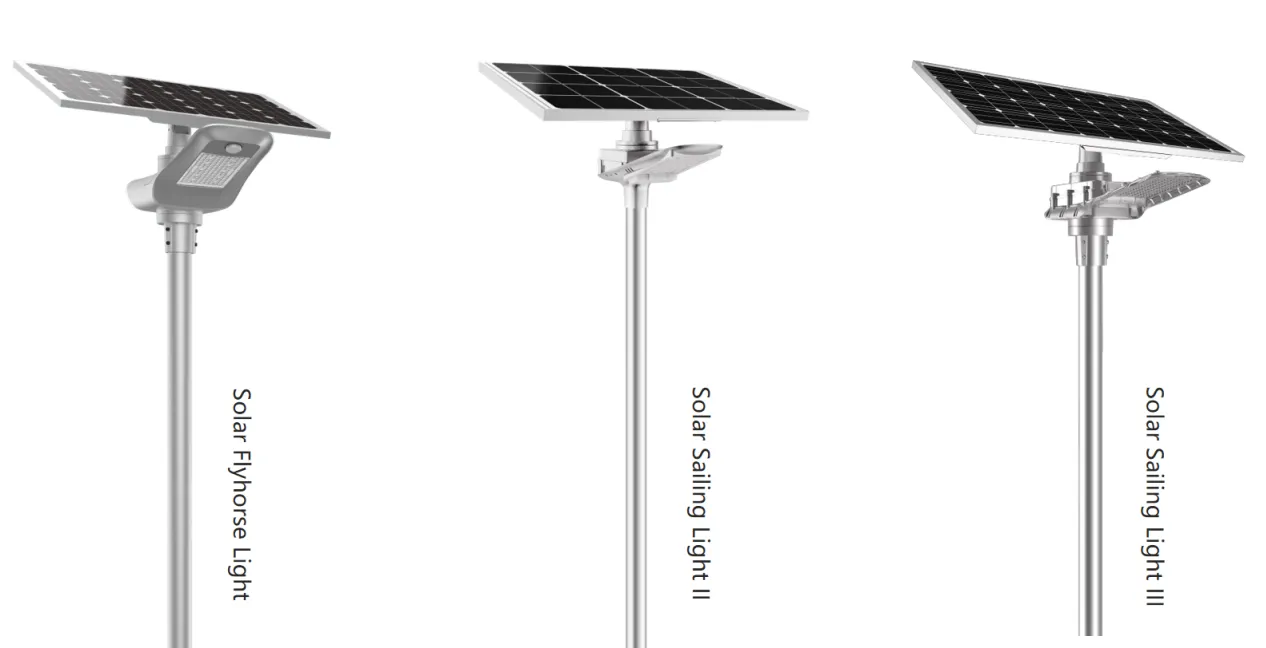
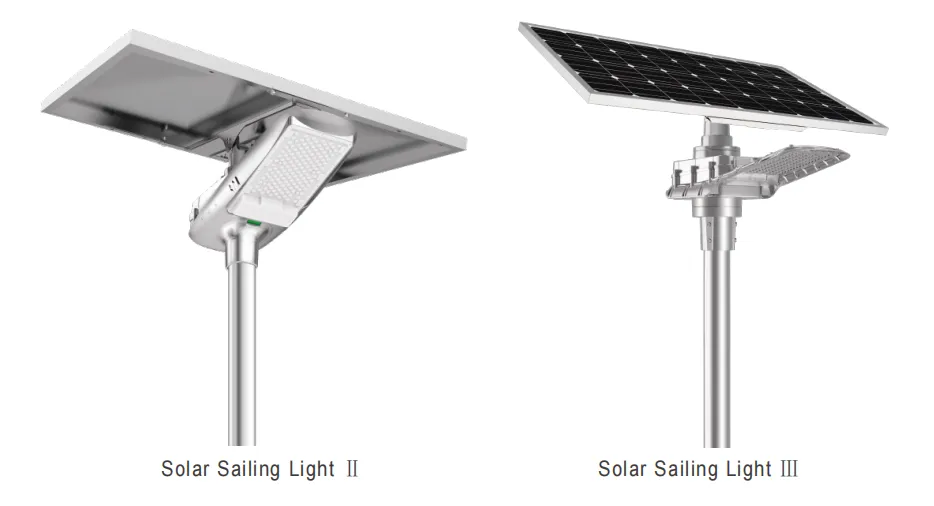
All-in-Two solar street lights consist of an independent solar panel and a lamp head integrating the LED, battery and controller. Insufficient configuration of any component may affect brightness, charging efficiency, endurance during rainy days and service life.
Therefore, a reliable all in two solar street light factory should not only be able to complete light production, but should also have system configuration, light distribution design, product testing, batch quality control and project delivery capabilities. [4]
1.Does It Have Genuine Production Capabilities?
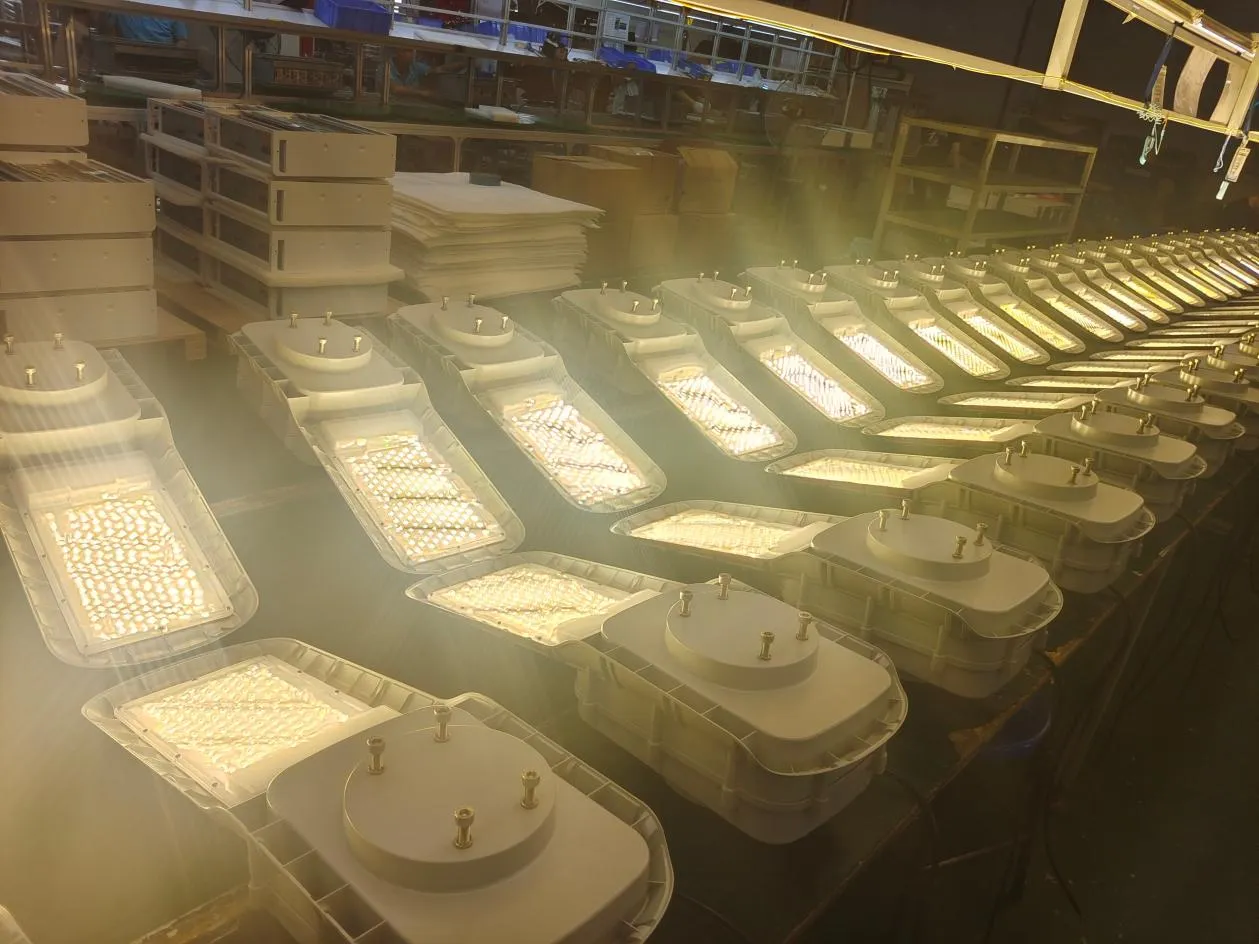
Determining whether a all in two solar street light supplier is an actual factory cannot be based only on factory photos or a “Factory Direct” statement. Buyers can conduct an on-site or video factory inspection to view the raw material warehouse, assembly lines, laboratory, aging test area and finished product warehouse.
At the same time, it should also be confirmed whether technical issues are handled by the engineering team. If the all in two solar street light suppliers cannot explain battery Wh capacity, solar panel configuration, IES light distribution and endurance during rainy days, its project support capabilities may be insufficient.
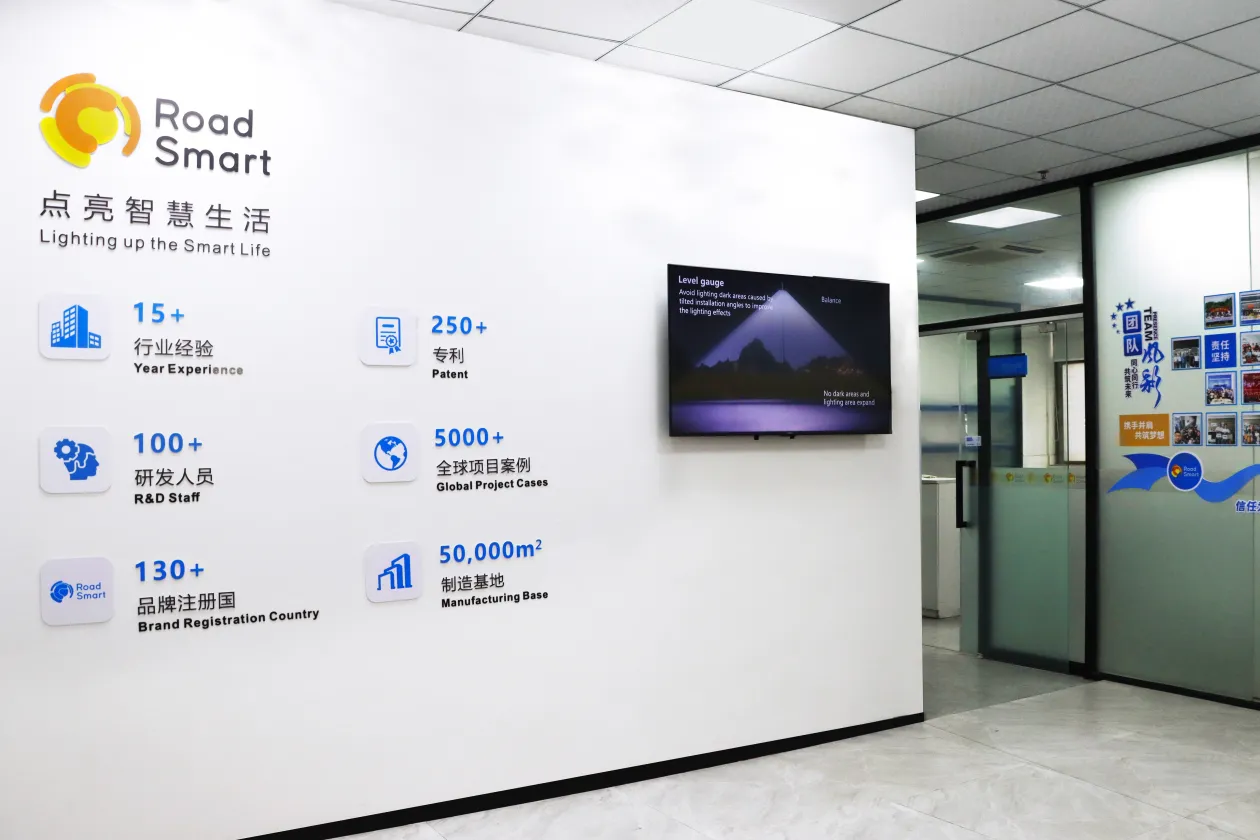
RoadSmart’s production system covers die casting, SMT placement, assembly, testing and aging, and is equipped with R&D and laboratory support, providing a production and technical foundation for all-in-two solar street light projects. [1]
2.Are the Certifications and Quality Processes Complete?
Documents such as ISO, CE, RoHS, FCC, IP and IEC can help assess all in two solar street light factory management and product compliance capabilities, but buyers should confirm:
·Whether the reports cover the actual purchased models;
·Whether the applicant entity is consistent with the manufacturing and contracting entities;
·Whether the standards meet the requirements of the project market;
·Whether the reports are valid and complete versions can be provided.
In addition to certifications, it is also necessary to understand how the factory controls batch quality. A complete process usually includes incoming material inspection, production process inspection, finished product testing and outgoing inspection, with a focus on checking battery cells, solar panels, LEDs, controllers, sealing assembly and control programs.
RoadSmart provides relevant certifications and technical documents by product series and extends quality control to raw materials, production processes, laboratory testing and outgoing inspection. During formal procurement, the reports and inspection requirements should still be checked according to the specific model. [2][3]
3.Is the Core Configuration Transparent?
All in Two solar street lights cannot be evaluated only according to “100W” or “150W.” Products with the same rated power may use different solar panels, batteries, LEDs and controllers, and their actual brightness and endurance may also differ.
Buyers should focus on confirming:
·Solar panel power, dimensions and type;
·Battery voltage, Ah, Wh, battery cells and BMS protection;
·Actual LED power, luminous flux, luminous efficacy and light distribution;
·Whether the controller uses MPPT or PWM;
·Whether timed dimming, low-battery protection and temperature protection are supported.
RoadSmart’s all in two solar street light product information displays luminous flux, solar panel power, battery capacity and recommended installation conditions at the same time, and provides IES/LDT files and light pole spacing verification. This complete configuration has more reference value than displaying rated power alone. [4]
4.Can the Project Cases Be Verified?
Project photos alone cannot prove the product model, quantity and long-term operating conditions. A project case with reference value should at least state the project location, application scenario, product model, installation time, light pole height, system configuration and site environment.
Buyers should prioritize cases similar to the current project in terms of road conditions, sunlight, temperature and rainy season, rather than only comparing the number of export countries.
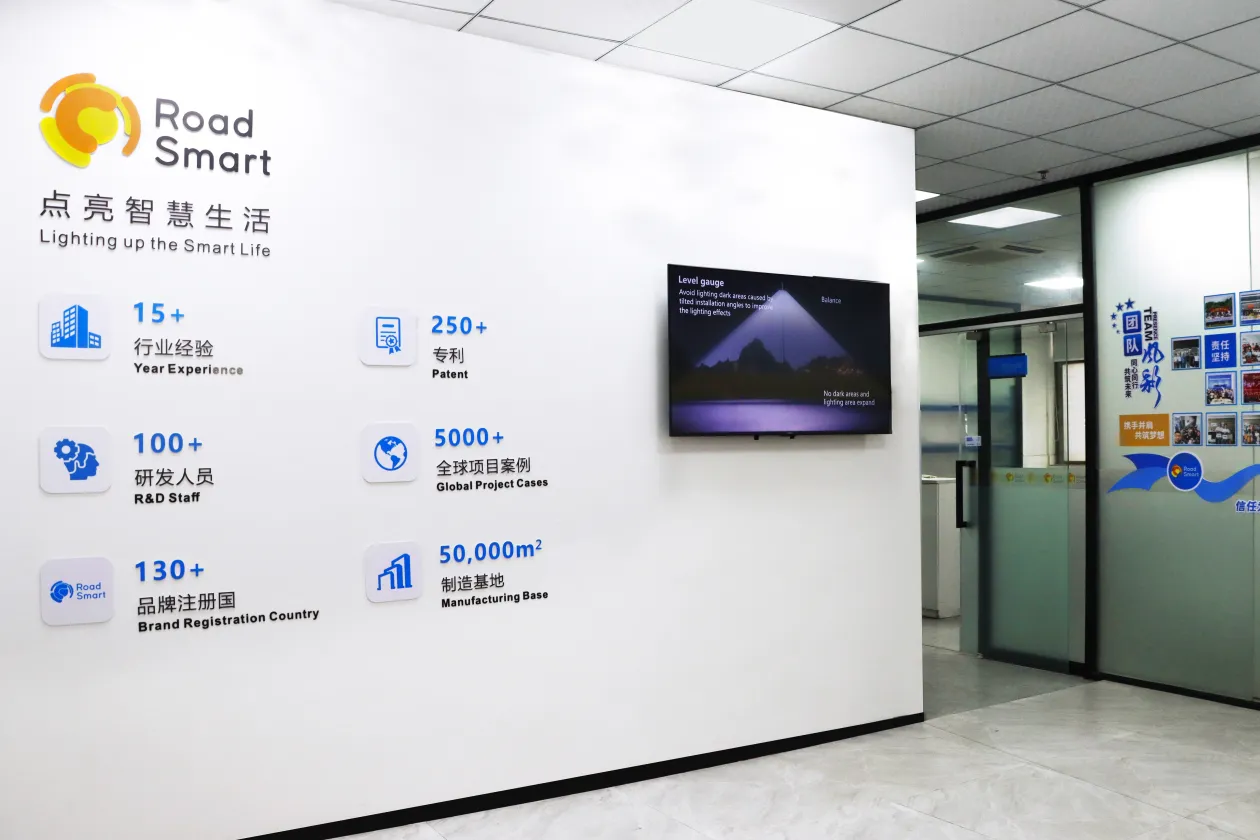
RoadSmart has all in two solar street light project experience in different scenarios such as urban roads, township roads and industrial areas. For specific projects, configuration, photos and operating information from similar cases can be further requested.
5.Can the Warranty and After-Sales Service Be Implemented?
The warranty should not only state “3 years” or “5 years,” but should also clearly specify:
·Which components are covered by the warranty;
·When the warranty begins;
·How faults are determined;
·Who bears the costs of spare parts and transportation;
·How quickly the technical team responds;
·Whether spare parts will continue to be supplied after the warranty expires.
The warranty periods of different all-in-two solar street light series may vary and should be based on the specific model and contract terms. Reliable after-sales service should include fault diagnosis, responsibility confirmation, spare parts shipment and handling procedures, rather than only a vague promise of “timely response.”
6.Does It Have Stable Bulk Delivery Capabilities?
Determining whether a factory can provide a stable supply cannot be based only on advertised production capacity, but also requires confirmation of the production plan, key component supply, BOM locking and batch consistency.
For bulk projects, it is recommended to clarify:
·Sample confirmation and production cycle;
·Procurement time for core components;
·Whether the BOM is locked during mass production;
·Whether phased delivery is supported;
·Aging testing and inspection time;
·Packaging, container loading and export document arrangements.
RoadSmart can provide OEM/ODM, product selection, lighting simulation and RFQ support. The specific production plan for actual orders should still be confirmed according to the quantity, customization requirements and delivery schedule.
What Documents Should Be Requested Before Bulk Purchasing?

Document | Key Points to Verify |
Company and Factory Information | Whether the entity, address and contracting party are consistent |
ISO and Product Certifications | Validity period and actual covered models |
Product Specification Sheet | LED, solar panel, battery and controller configuration |
Battery and Cell Information | Wh, cycle conditions and protection methods |
IES/LDT Files | Actual light distribution and lighting simulation |
Confirmed BOM | Preventing component replacement during mass production |
QC Inspection Plan | Incoming materials, production, aging and outgoing inspection |
Warranty Terms | Scope, procedures and responsibilities |
Production and Delivery Plan | Quantity, milestones and shipment time |
Spare Parts List | Installation and subsequent maintenance requirements |
The clearer these documents are, the lower the risk of subsequent disputes caused by parameters, quality and delivery time.
Common Warning Signs
When evaluating suppliers, the following situations require greater caution:
·Only providing rated power without actual luminous flux and battery Wh;
·Certification reports that do not match the purchased models;
·Refusing to show production and testing processes;
·Not disclosing core configurations such as battery cells and controllers;
·Project cases without dates, models and site conditions;
·Allowing components to be replaced freely after sample confirmation;
·Providing only a warranty period without a handling process;
·Being unable to provide IES files or lighting recommendations.
If multiple problems exist at the same time, the risks of bulk procurement and project implementation will increase significantly.
Frequently Asked Questions
How Can You Confirm That a Supplier Is a Real Factory?
An on-site or real-time video factory inspection can be conducted to view the production lines, laboratory, aging testing and finished product warehouse, and the company entity, factory address and production records can be verified.
How Can the Actual Battery Capacity Be Verified?
The battery voltage, Ah, Wh and cell information should be checked, and capacity and charging and discharging tests should be conducted during the sample or third-party inspection stage.
Why Are IES Files Required?
IES files are used to show the actual light distribution of the light. Simulations based on road width, light pole height and spacing can determine illuminance, uniformity and dark areas. [5]
How Can Bulk Orders Be Kept Consistent with the Sample?
The confirmed sample should be sealed and retained, the BOM and control program should be locked, and the contract should specify that core components cannot be replaced without approval.
What Should a Solar Street Light Warranty Include?
The covered components, starting date, fault diagnosis, spare parts responsibility, transportation costs, response time and handling procedures should be clearly specified.
Conclusion
Determining whether an all-in-two solar street light factory is reliable comes down to a few practical questions: can the production and product information be verified, can batch quality and delivery remain stable, and can the supplier support configuration, lighting design, and after-sales execution once the project becomes real?
Using the source material provided, RoadSmart positions itself around those exact areas: production capability, model-specific configuration disclosure, quality control, certification support, project documentation, and bulk-order coordination.
For buyers, the best next step is not to compare one more product photo. It is to compare suppliers by how clearly they can explain the system, prove the process, and commit the details that matter before the order is placed.
References
- 2026 Company Profile / Enterprise Introduction, Production System, R&D Laboratory, Certifications and Global Project Cases, RoadSmart Co., Ltd.
- ISO 9001:2015 Quality Management Systems — Requirements, ISO.
- IEC 60529:1989+AMD1:1999+AMD2:2013 CSV, Degrees of Protection Provided by Enclosures (IP Code), IEC.
- Solar Photovoltaic Cell Basics, U.S. Department of Energy.
- ANSI/IES LM-79-24, Optical and Electrical Measurements of Solid-State Lighting Products; ANSI/IES LM-63-19(R25), IES Standard File Format for the Electronic Transfer of Photometric Data and Related Information, Illuminating Engineering Society / ANSI.