Solar Lighting for Public Spaces and Parks
Sep 22, 2021
Read:1478
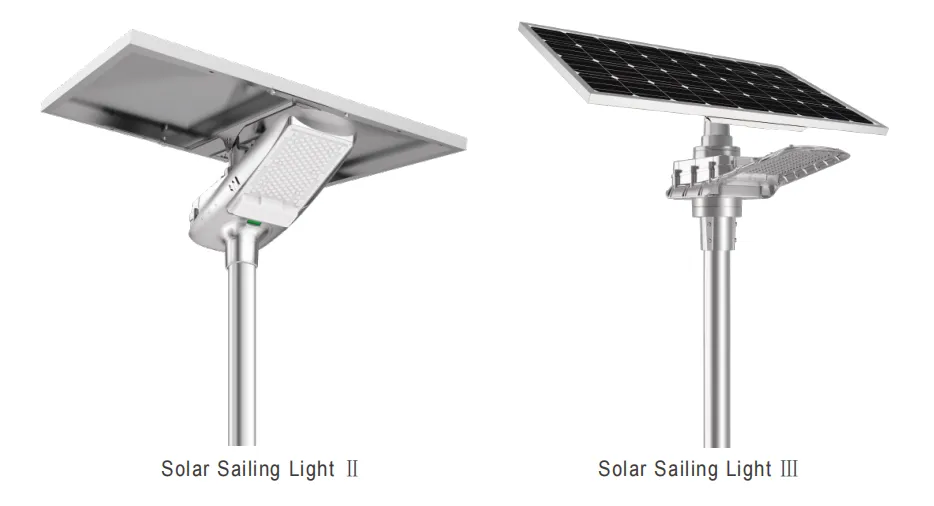
Solar lighting for public spaces can provide independent nighttime illumination for park paths, plazas, recreation areas, entrances and other outdoor locations where grid cabling is unavailable, disruptive or costly to extend. A complete system normally combines an LED luminaire, solar panel, battery, controller, pole and mounting structure.
For parks and public spaces, selection should begin with the area that needs to be illuminated and how people use it after dark. Pathway visibility, pedestrian comfort, operating hours, nearby trees, seasonal sunlight, pole positions and maintenance access all affect the system configuration.
Solar lights for parks can reduce the need for trenching and underground power cables, but they still require site-specific energy, lighting and structural review. This guide explains where they fit and what project information is needed before choosing a product.

Park lighting needs to account for pedestrian routes, landscape obstructions and the hours when each area is used.
Where Solar Lighting Is Used in Public Spaces
Public spaces contain different activity zones, and each zone creates a different lighting task. A pedestrian path requires continuous route visibility, while a plaza may need wider area coverage. Entrances and intersections need clear recognition of people, boundaries and changes in direction.
| Public-space area | Main lighting task | Key selection consideration |
|---|---|---|
| Park pathways | Guide pedestrian movement and reveal changes in direction | Spacing, uniformity, glare and nearby tree cover |
| Plazas and gathering areas | Provide broader visibility for people and shared activities | Area coverage, pole locations and operating schedule |
| Entrances and access points | Improve recognition of routes, signs and boundaries | Required brightness, mounting position and surrounding light |
| Play and recreation areas | Support safe movement during permitted evening use | Usage hours, glare control and fixture protection |
| Green belts and landscape areas | Support orientation without excessive spill light | Optical control, vegetation growth and maintenance access |
When Solar Lights Are Suitable for Parks
Solar lighting is particularly useful where a suitable grid connection is not available or where trenching would disturb finished paving, landscaping or existing public facilities. Because each light can operate as an independent system, additional lighting points may be installed without extending a continuous underground electrical circuit.
This does not make every park location suitable for solar lighting. Trees, buildings or landscape structures may shade the solar panel, and limited winter sunlight can reduce daily charging. The installation position also needs enough space for the panel, pole and foundation without obstructing pedestrian routes.
The financial comparison should include equipment, poles, foundations, installation, trenching that would otherwise be required, battery replacement and routine maintenance. Solar lighting avoids grid-energy consumption at the point of use, but it still has inspection and component-replacement costs.
How to Select Solar Lights for Parks
The starting point is the lighting task rather than the advertised wattage. Project teams should identify the area dimensions, pedestrian route, expected hours of use and any required lighting criteria before comparing solar lights for parks.
Light Distribution and Visual Comfort
A suitable optic directs light toward the path or activity area while limiting glare and unnecessary spill into vegetation, nearby properties or the night sky. Total lumens alone do not show whether the required area will be illuminated evenly.
Battery Capacity and Operating Schedule
The battery and solar panel need to support the actual nighttime schedule under the site’s seasonal solar conditions. A timed dimming profile can reduce energy use during low-traffic hours, but public access and safety requirements should determine when output can be reduced.
Fixture Style and Mounting Arrangement
Park projects may use lower decorative luminaires for paths and landscape areas or taller road-style luminaires for entrances, internal roads and larger public spaces. The mounting height, pole spacing, fixture appearance and optical distribution should be considered together.
Maintenance and Landscape Conditions
Panels need access for inspection and cleaning, while batteries and controllers need a practical replacement route. Future tree growth, falling leaves, dust, vandalism exposure and irrigation should be considered when selecting the installation position.
How a Solar Park Lighting System Works
During the day, the solar panel converts sunlight into electrical energy and the controller manages battery charging. After dark, the battery supplies the LED luminaire according to the programmed operating schedule.
The battery chemistry, controller settings and component arrangement vary by product. The selected configuration needs to match the nightly energy demand, required backup time, local temperature and available solar energy. Product-specific battery and panel data should be checked rather than assuming that every solar light provides the same operating time.
Motion sensors or scheduled dimming may be useful in lower-traffic areas. For entrances, main paths or areas with continuous evening use, the lighting schedule should reflect the required public access period instead of relying on sensor activation alone.
Planning Solar Site Lighting Before Installation
A site survey should identify pedestrian routes, activity areas, existing light sources, trees, structures and possible pole positions. The survey also needs to record locations where panel shading may change during the day or across seasons.
Pole spacing should not be copied from another park without checking mounting height, optical distribution and the dimensions of the target area. For larger public spaces, photometric files can be used to review light coverage, uniformity and potential dark areas before installation. The same review principles apply to other solar street lighting systems.
Public-space projects also need to consider foundation conditions, wind exposure, corrosion risk, accessibility requirements and protection from accidental impact. These inputs affect the pole and mounting design even when the electrical system is completely off-grid.
Information Needed for a Park Lighting Recommendation
Before requesting a solar lighting proposal, prepare the following project information:
- Site location and photographs of the proposed installation areas
- Path width, plaza dimensions or a basic site drawing
- Preferred pole height and possible pole positions
- Required operating hours and any dimming periods
- Areas affected by trees, buildings or seasonal shading
- Required backup time and applicable project specifications
For product selection, RoadSmart can review the application information against available garden, pathway and street-light configurations. Photometric files, drawings and other project documents should be confirmed for the specific model being considered.
Conclusion
Solar lighting for public spaces is most useful when the lighting task, site conditions and energy system are reviewed together. Parks, pathways, plazas and recreation areas differ in their operating hours, required coverage, pedestrian activity and exposure to landscape shading.
A suitable proposal therefore needs more than a nominal lamp wattage. Site dimensions, pole positions, light distribution, seasonal solar availability, battery autonomy and maintenance access provide the basis for selecting solar lights for parks and other public areas.