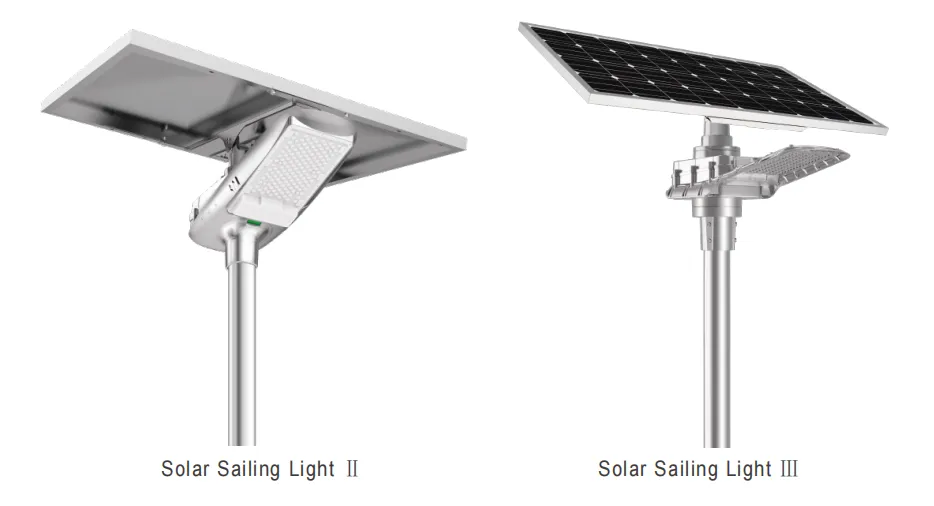
Disassembly of the hardware and functional advantages of all in one solar street light(A Detailed Guide)
Apr 15, 2026
Read:1886
Table of Contents
Preface
What Is an All in One Solar Street Light?
What Is an All in One Solar Street Light Made Of?
What Advantages Do All in One Led Solar Street Light Have?
How to Choose a Good All in One Led Solar Street Light?
Conclusion
Frequently Asked Questions
Preface
What does a high-quality all-in-one solar street light actually look like on the inside? Instead of showing you standard commercial marketing brochures, we literally take it apart in this detailed guide.
We will break down the core internal hardware—from the engineering of the MPPT controller circuits to the LiFePO4 battery cell alignment. By auditing the build quality from the inside out, engineering contractors and project B2B buyers can understand exactly how a premium integrated solar lighting system ensures a 10+ year lifespan and avoids costly field maintenance.
Before diving into the physical teardown, let us quickly clarify the structural definition and operational boundaries of modern all-in-one solar street lights.
What Is an All in One Solar Street Light?
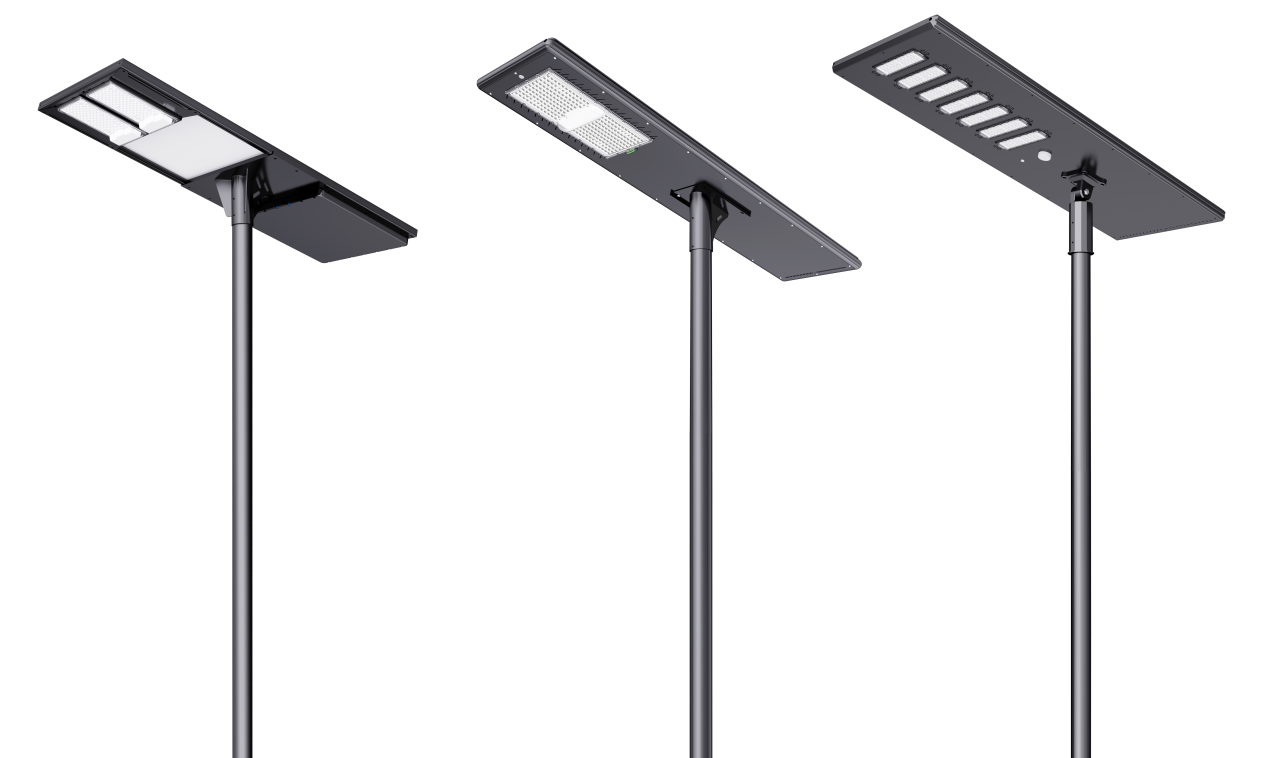
Introduction to All-in-one Solar Street Light
An all in one solar street light is a fully self-contained outdoor lighting system that integrates the solar panel, LED lamp head, lithium battery, and smart controller into one single aluminum alloy housing. Unlike split-type or separate solar street lights that require complex external wiring, heavy battery trenching, and on-site pole assembly, this integrated structural design allows for direct, out-of-the-box installation. Powered by high-efficiency photovoltaics, it operates 100% off-grid, eliminating grid dependency entirely.
Key Features & Engineering Advantages
- Compact Integrated Structure: Eliminates on-site assembly errors, significantly lowers international shipping costs per unit, and streamlines long-term field maintenance.
- 100% Autonomous Operation: Deploys solar-harvesting automation to charge dynamically by day and discharge smartly by night, removing human intervention and grid dependency.
- Versatile Heavy-Duty Application: Requiring zero underground cabling, it is the ideal utility-grade lighting solution for remote highways, urban roads, industrial parks, plazas, and off-grid military or civilian sites.
What Is an All in One Solar Street Light Made Of?
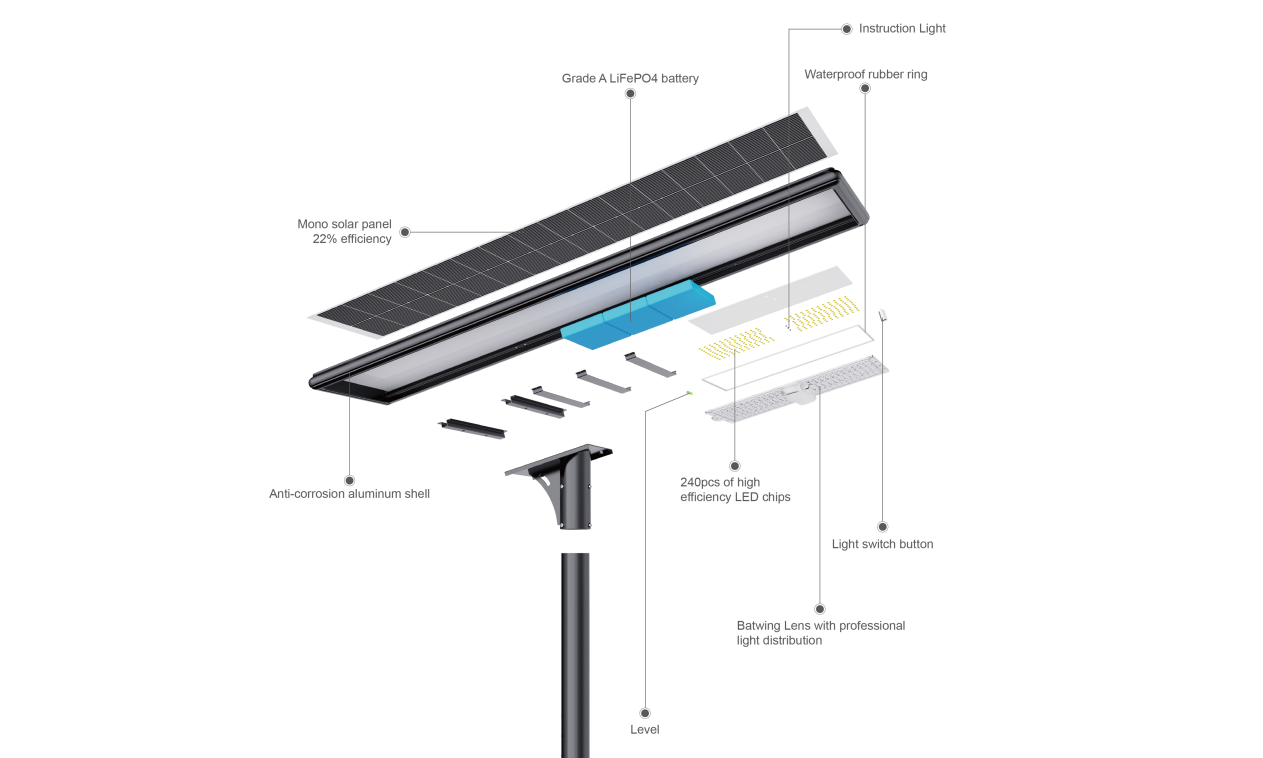
System Composition: Hardware vs. Software
A commercial-grade integrated LED solar street light functions as a micro-grid automated lighting system. Much like professional computing hardware, its operational reliability depends on the seamless synergy between two core architectures:
- The Hardware Layer (Visible Components): Includes physical industrial assets such as the photovoltaic solar panel, LED light module, LiFePO4 battery pack, controller mainboard, motion sensors, and die-cast housing structural parts.
- The Software Layer (Internal Intelligence): Programmed firmware embedded within the controller mainboard, calculating multi-peak MPPT tracking algorithms, automated dusk-to-dawn switching logic, smart dimming curves, and critical battery thermal/overcharge protection protocols.
Technical Breakdown of the 5 Core Hardware Components
To evaluate a solar luminaire's real-world ROI, we must dissect its five primary hardware pillars. Below is an engineering audit of what to look for inside the chassis:
Mechanism: The primary energy-harvesting engine. Converts solar irradiance into electrical power directly on top of the luminaire body, eliminating external wire resistance and layout errors.
★ Benchmark: Conversion efficiency >21.5% for robust low-light and winter generation.
Mechanism: The lighting delivery carrier. Governs the total luminous flux (lumens), beam angle distribution, thermal dissipation profile, and system power draw.
★ Benchmark: >170 lm/W system efficacy paired with optical PMMA batwing lenses.
Mechanism: The energy storage core. Placed securely inside the internal chassis to buffer harvested power by day and sustain system load through extended dark/rainy cycles.
★ Benchmark: >3,000 deep discharge cycles (80% DOD) supporting an 8-10 year operational lifespan.
Mechanism: The system's brain. Manages rectifying charging profiles, automated dimming, microwave motion tracking, and low-temperature cell protections.
★ Benchmark: Tracking efficiency >99.5%. Avoid low-performing, traditional PWM circuits.
Mechanism: The protective shield. Guards fragile internal electronics against thermal stress, galvanic corrosion, moisture ingress, and heavy wind loads.
★ Benchmark: Marine-grade die-cast aluminum alloy with professional anti-corrosion powder coating.
What Advantages Do All in One Led Solar Street Light Have?
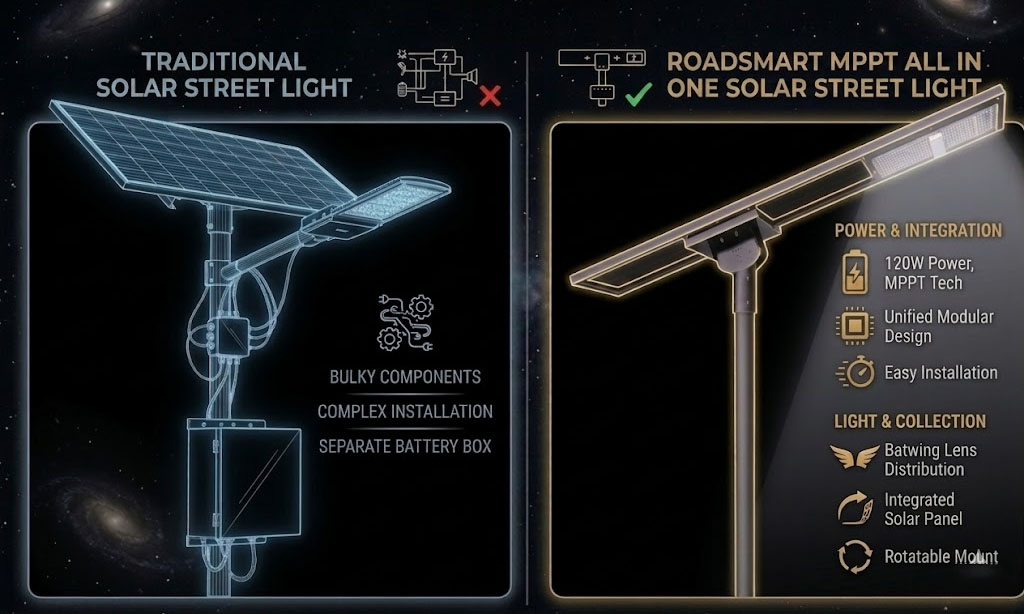
Based on our hardware teardown, the mechanical advantages of selecting an integrated system over traditional infrastructure split-systems become obvious:
1. Radical Reduction in Deployment & Labor Costs
Traditional street lighting projects carry massive civil engineering costs—trenching miles of copper wiring, pouring separate battery vaults, and paying skilled electrical crews. An all-in-one solar light completely bypasses this overhead. Installation requires zero specialized tools and can be securely mounted to a pole by a two-man crew in under 5 minutes, slashing labor costs by up to 80%.
2. Superior System Stabilization & Durability
Because all components are mapped, calibrated, and sealed within a factory-controlled environment, the risk of field-assembly component mismatch is eliminated. Each part operates in perfect system sync. High-grade aluminum alloys shield the internal LiFePO4 battery array and MPPT logic from external weather extremes, heavily curbing field failures and maximizing long-term project viability.
How to Choose a Good All in One Led Solar Street Light?

When filing procurement requests or bidding for government municipality tenders, B2B buyers should vet prospective suppliers against these four strict criteria:
- Audit the Photovoltaic-to-Battery Ratio: Ensure the daily power generation capacity of the monocrystalline solar panel perfectly matches the total watt-hour storage capacity of the battery. Under-configured systems will suffer rapid blackouts on consecutive rainy days.
- Verify Controller Efficiency: Do not compromise on PWM controllers for heavy commercial projects. Always specify an all in one solar street light with an MPPT controller to guarantee accelerated charging speeds and smart programmable dimming profiles.
- Confirm Housing Metallurgy: Avoid cheap plastic (ABS) or low-grade steel casings that degrade under UV light and coastal humidity. Demand aviation-grade or die-cast aluminum with a validated IP66 weatherproof footprint.
- Partner with Experienced ODM Factories: Complex roadway configurations demand custom beam distributions, specific pole-mount bracket modifications, and adaptive smart monitoring systems. Partnering with an expert ODM solar LED street light factory ensures your project receives custom-tailored configuration engineering.
Conclusion
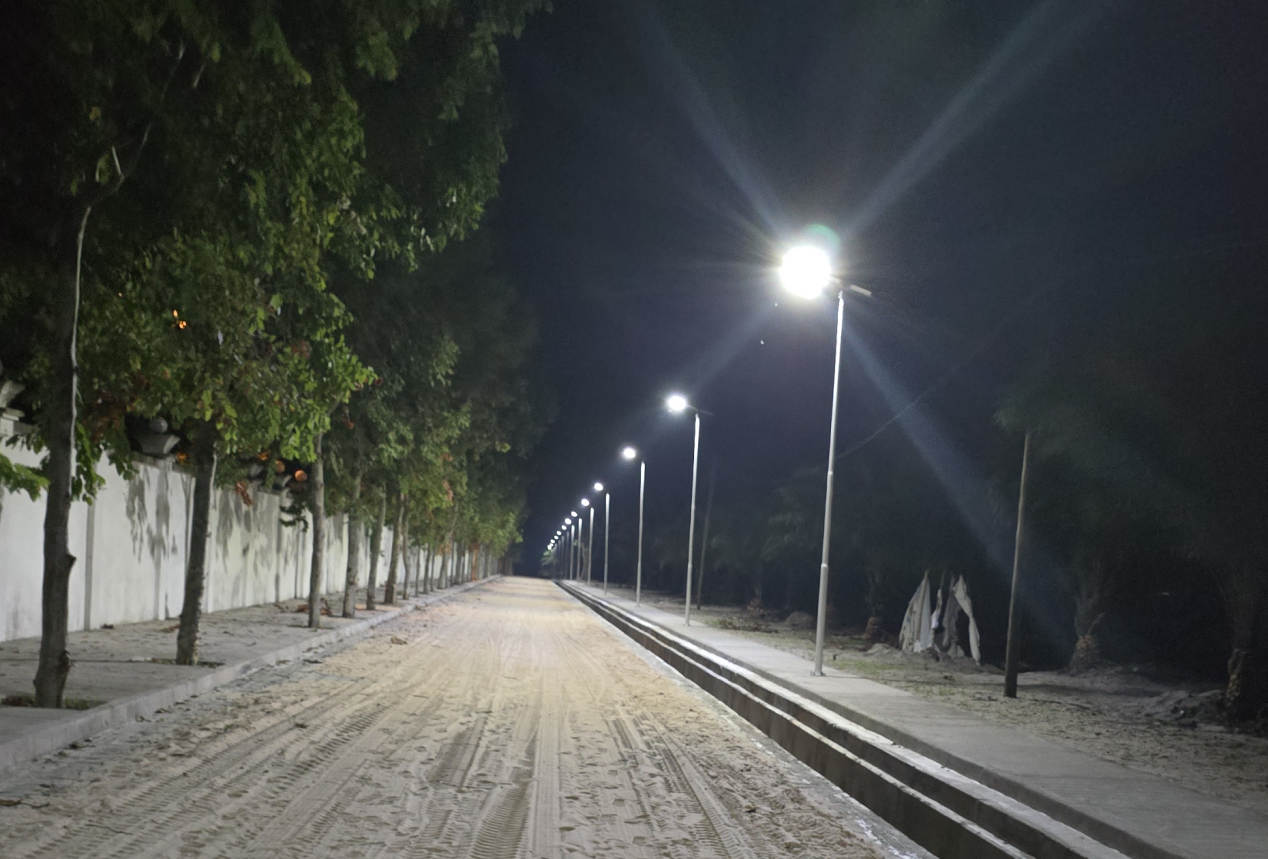
In summary, the hardware integration of modern all-in-one solar street lights delivers undeniable capital savings, rapid installation, and unparalleled system stability compared to old-school split-type setups. In our next technical technical chapter, we will shift focus to matching specific integrated product variations to international municipal roadway classes. Be sure to subscribe or follow along to optimize your next infrastructure project.
Frequently Asked Questions
1. All-in-one solar street lights do not need to be connected to grid electricity. Can they still operate reliably through rainy or cloudy seasons?
Yes, they can. System autonomy depends heavily on component configuration. A high-efficiency monocrystalline panel integrated with a premium LiFePO4 battery array and smart MPPT regulation can easily store enough backup capacity to sustain continuous full-load lighting profiles for 10–15 cloudy days. RoadSmart's industrial-grade luminaires leverage advanced multi-peak MPPT tracking algorithms, optimizing power capture even under heavy overcast or partial shade.
2. Is field installation truly that straightforward? Are specialized heavy tools required on-site?
The physical deployment is remarkably simple. No complex wiring, cable-trenching, or certified electricians are required. Using only the mounting wrench supplied in the shipping crate, a basic two-person assembly team can complete the secure pole installation of a single unit in under 5 minutes. As an established solar street light factory, RoadSmart provides step-by-step installation manuals and HD video guides for your field crews.
3. What is the actual operating lifespan of an integrated system? Does it require frequent maintenance cycles?
When engineered with premium Grade A Lithium Iron Phosphate (LiFePO4) chemistry and matching controller logic, an integrated street light easily achieves an operating lifespan of 8–10 years. Because the system is completely sealed, daily maintenance is close to zero. In the rare event of component damage, the modular internal architecture allows field technicians to swap out individual batteries or controller trays on the pole in minutes. RoadSmart lines utilize Grade A components, high-efficiency MPPT components, and IP66/IK08 weather-resistant housings to confidently guarantee continuous operation exceeding 10 years.