All-in-One Solar Street Light Regional Selection Guide
Apr 16, 2026
Read:778
All-in-One Solar Street Light Regional Selection Guide
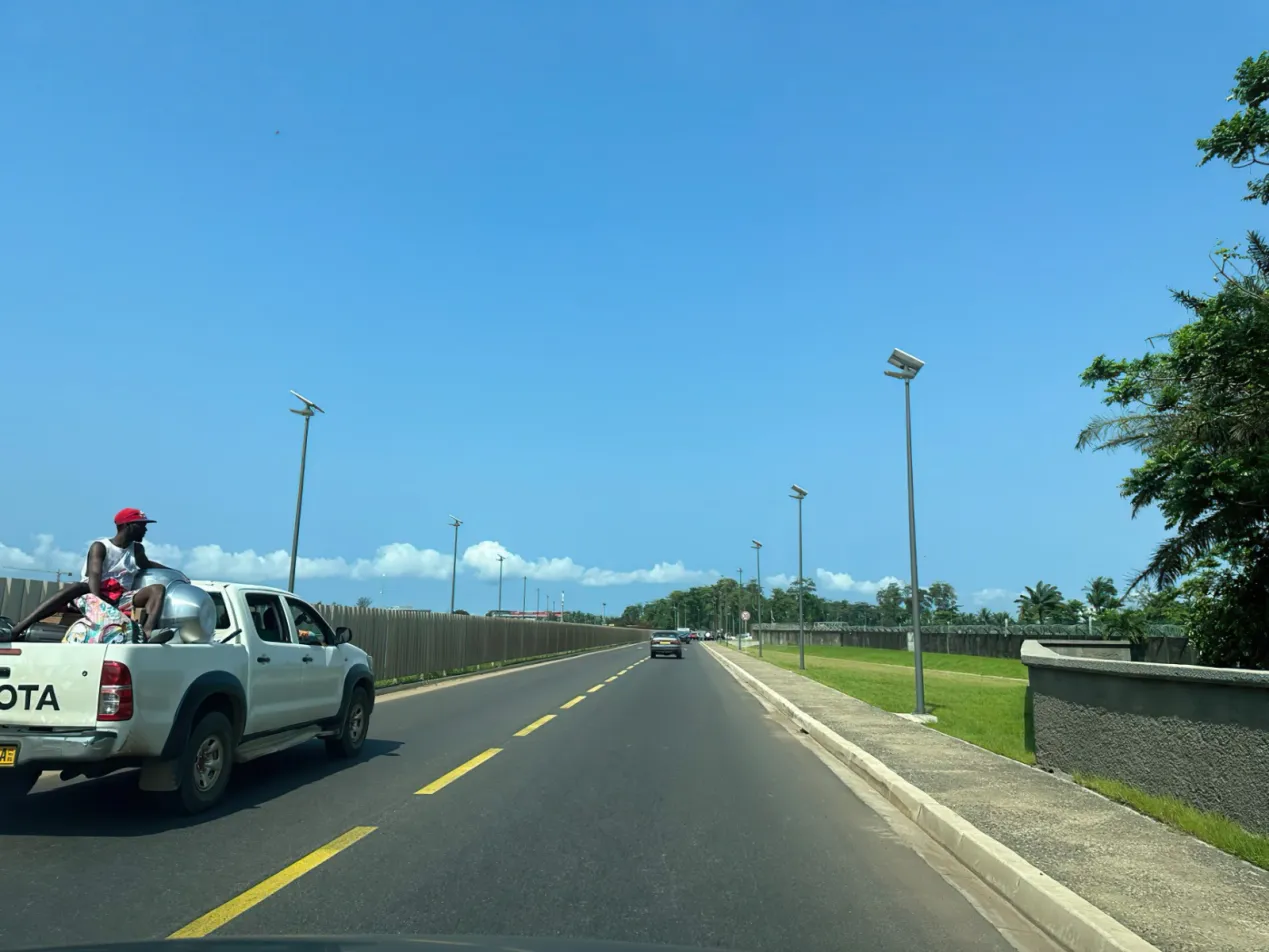
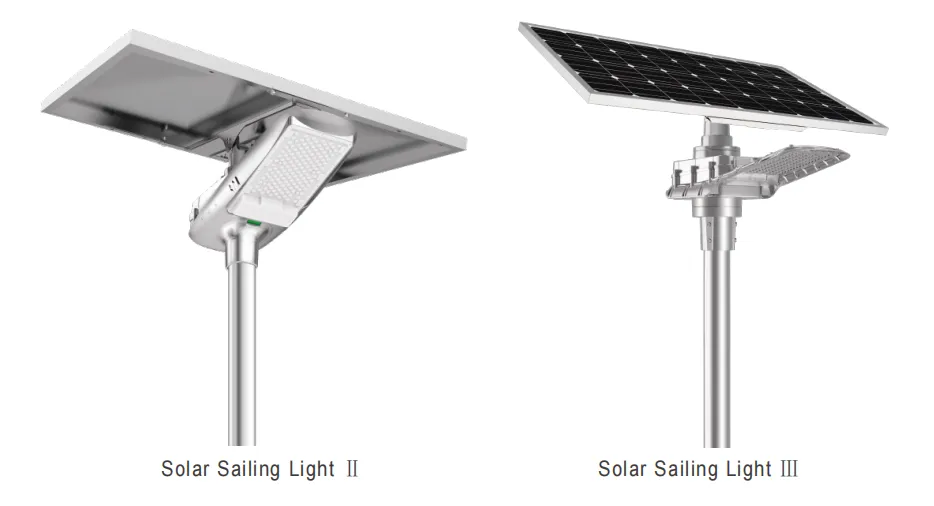
All-in-one solar street lights, as one of the main types of outdoor lighting equipment, have been widely deployed globally. Their structural benefits and technical configurations have been explained in detail in our previous article (The Hardware and Functional Advantages of All-in-One Solar Street Light), so we will focus directly on deployment engineering here.
This guide analyzes the specific application of all-in-one solar street lights across different regions. Due to the diverse impacts of climate, geographic environment, and local weather patterns, different regions maintain vastly different technical requirements for solar lighting. Choosing the most stable configuration requires a comprehensive engineering evaluation rather than a blind model selection.
For project planning beyond engineering selection, our overview of regional solar street lighting demand covers demand drivers and procurement conditions across major regions.
What Factors Mainly Affect the Selection of AIO Solar Street Lights?

Before diving into regional recommendations, it is critical to understand the two pillar factors governing product selection: Local Climate & Environmental Characteristics, and the Core Technical Specifications of the all in one led solar street light.
- Climate & Environment: This is the absolute prerequisite. Whether your project is located in an arid tropical desert, a high-humidity coastal zone, or a high-altitude mountain region with massive day-and-night temperature swings will directly dictate the component lifespan.
- Product Specifications & Parameters: Derived directly from environmental challenges. Engineering teams must evaluate waterproof ratings (IP66/IP67), high-temperature battery protection (BMS), anti-corrosion coating strength, LED lumen efficiency, and smart controller modes (MPPT/PWM) to meet specific tender requirements.
Quick Reference: Global Regional Selection Matrix
| Target Region | Environmental Challenges | Key Hardware Requirements | Recommended Configuration |
| Africa (Sub-Saharan / North) | Extreme Heat (>40°C), Heavy Dust/Sandstorms, Off-grid rural zones. | High-temp BMS protection, Dust-proof sealing, Patented heat dissipation casing. | LiFePO4 Battery + IP66 Enclosure + Optimized Tilt Angle |
| Southeast Asia (Thailand, Philippines) | High Humidity, Frequent Typhoons, Prolonged Monsoon Rainy Seasons. | Excellent Waterproofing, Salt spray anti-corrosion coating, Massive backup days. | IP67 Components + Anti-C6 Coating + High Capacity Battery (5-7 Days Backup) |
| South America (Brazil, Chile) | Massive Microclimates, Severe UV Radiation, Micro-grid reliance. | Smart dimming energy saving, High-efficiency solar tracking conversion rates. | MPPT Smart Controller + High-Lumen LED Chips (Custom ODM) |
Selection and Adaptation of All-in-One Solar Street Lights in Three Major Regions
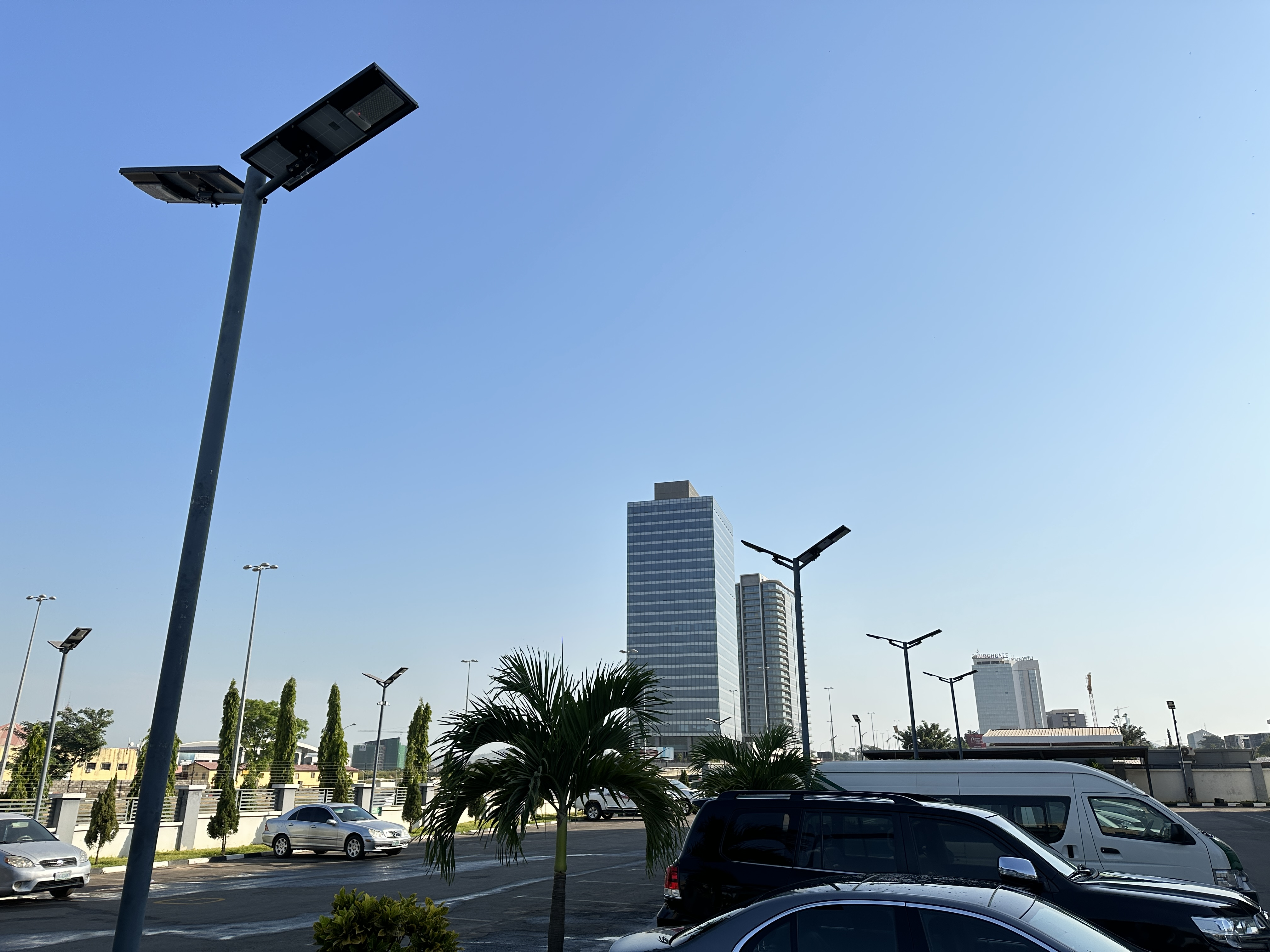
The application areas of all-in-one solar street light systems span across the globe. Below, we break down the engineering adaptations required for the three most prominent international markets—Africa, Southeast Asia, and South America—to support your upcoming municipal and commercial project bids.
1. Africa: High Temperatures, Sandstorms, and Strong Sunlight Intensity
Most parts of Africa fall into tropical and subtropical zones with high solar irradiance. However, major challenges include extreme desert heat, intense dust accumulation, and widespread lack of reliable grid infrastructure. For solar installations here, the primary technical consideration is high-temperature resistance—specifically regarding LiFePO4 battery stability and lamp thermal management. Additionally, dustproof seals are essential to prevent fine sand from entering the optical lens.
In a critical urban road project in Nigeria, RoadSmart successfully deployed 80 sets of ST2-260 smart solar street lights integrated with an advanced IoT management system. Faced with severe dust and high ambient temperatures, this custom IoT deployment allowed municipal operators to monitor battery health and lighting dimming schedules remotely, ensuring 100% uptime and drastically reducing post-installation maintenance overhead.
2. Southeast Asia: Tropical Monsoon, High Humidity, and Coastal Salt Spray
Southeast Asia exhibits high temperatures coupled with intense humidity and seasonal typhoons. For countries like Thailand and the Philippines, waterproof levels and corrosion resistance are non-negotiable. Continuous rainy days mean the solar lighting system must rely on smart energy storage calculations to maintain stable lighting without solar charging for up to a week.
For an urban-to-rural road development project in Thailand, RoadSmart delivered high-efficiency, high-temperature-resistant all-in-one LED solar street lights. Integrated with our smart AIO control system, the lights dynamically adjust power output based on real-time battery levels during monsoon weeks. This infrastructure upgrade reduced carbon emissions significantly while providing safe, uninterrupted night illumination for local traffic.
3. South America: Vast Environmental Variances and Diverse Topography
South America features massive ecological shifts from coastal humid climates to high-altitude mountain environments. Coastal zones demand C4-C5 level anti-corrosion finishes against salt spray, while high-altitude municipal roads require optimized solar conversion rates due to shifting cloud covers. Customization according to precise localized data is the key to successful bidding in this market.
In a rural infrastructure project in Brazil where grid-tied power was completely unavailable, RoadSmart applied its specialized Solar Star Light 2 technology. By utilizing a high-efficiency ODM solar led street light all in one design with high-lumen LED chips, the project achieved ultra-bright illumination and prolonged battery service life, transforming local nighttime public safety.
Conclusion
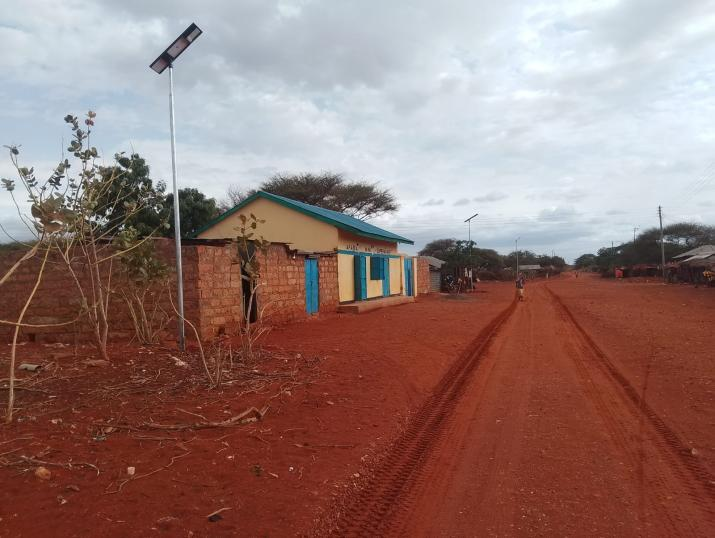
While all-in-one solar street lights offer massive installation and economic benefits, a generic one-size-fits-all model cannot withstand the global spectrum of climates. Engineering projects must custom all in one solar street light parameters based on accurate regional weather and wind load assessments.
As an experienced industrial solar lighting manufacturer, RoadSmart provides fully optimized OEM/ODM configurations to ensure your projects remain stable and worry-free. If you are preparing a government tender or private engineering bid, contact the RoadSmart engineering team today for professional suggestions.