
solar street light,solar street lights,solar powered street light,solar led street light,led solar street light,all-in-one solar street light,integrated solar street light

Blogs

From design ideas and installation guides to expert insights and real-world case studies—you'll find the knowledge you need to light up your next project with confidence.

Solar Street Lights Explained 2026

Company News

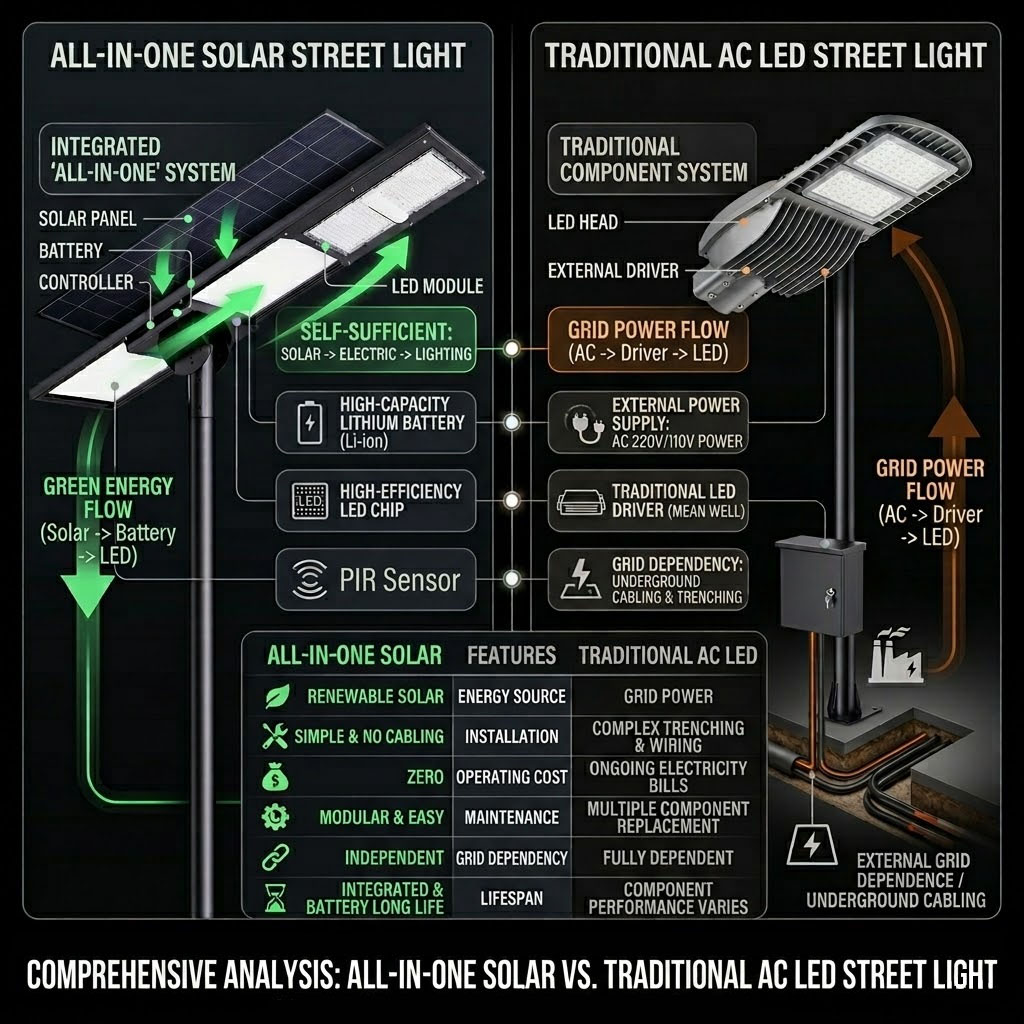
Solar Street Lights Explained 2026 What is Solar Street Light?A solar street light is an outdoor lighting system that uses solar energy to power the light fixture. Unlike traditional street lighting that is powered by electricity from the grid, solar street lights harness energy from the sun during the day through photovoltaic (PV) panels. This energy is stored in a battery and used to power the light at night. Solar street lights are self-sufficient, off-grid systems that are becoming more popular in urban, rural, and remote areas due to their energy efficiency and cost-effectiveness. They provide lighting without the need for trenching, utility bills, or grid access, making them an ideal solution for sustainable urban development.Typically, a solar street light consists of three main components: a solar panel, a battery, and a LED light fixture. These components work together to ensure efficient energy harvesting, storage, and lighting performance throughout the night. Solar street lights are available in different configurations, including all-in-one designs and split-type systems, offering flexibility in installation based on environmental factors and site conditions.How Solar Street Lights WorkThe operation of a solar street light follows a simple, efficient process. Here's how the system works:Energy Harvesting: During the day, the solar panel absorbs sunlight and converts it into electricity. The PV panel typically faces the south (in the Northern Hemisphere) or north (in the Southern Hemisphere) for optimal sunlight exposure. The amount of sunlight captured depends on factors such as weather conditions, shading, and the angle of the panel.Energy Storage: The electricity generated by the solar panel is directed to a battery for storage. In most cases, LiFePO4 (Lithium Iron Phosphate) batteries are used due to their superior safety, longevity, and efficiency compared to other battery chemistries. These batteries store the energy collected during the day, ensuring the light is powered during the night.Energy Distribution: As the sun sets, the controller detects the ambient light levels and switches the light on automatically. The stored energy is then used to power the LED light fixture, which is the primary light source. The system often includes MPPT (Maximum Power Point Tracking) technology to optimize energy conversion from the solar panel to the battery, ensuring maximum efficiency, even under partial shading or variable sunlight.Lighting Control and Efficiency: Many modern solar street lights come equipped with adaptive motion sensors or dimming controls to further conserve energy. For example, the light may dim when no movement is detected and return to full brightness when motion is sensed. This enhances energy efficiency and extends the battery life.Solar Street Light Benefits1. Energy Savings and Sustainability:One of the biggest advantages of solar street lights is their energy independence. Since they run on solar power, they eliminate electricity bills entirely. The energy captured from the sun is free and abundant, reducing the reliance on grid-based electricity. Additionally, solar street lights contribute to sustainability by reducing carbon emissions and supporting the global transition to clean energy.2. Low Maintenance:Solar street lights have minimal moving parts, which significantly reduces the need for frequent maintenance. With LiFePO4 batteries offering longer life cycles and MPPT controllers optimizing energy efficiency, these systems require only periodic cleaning of panels and lens adjustments. The absence of cables and wiring also reduces the risk of wear and tear, lowering maintenance costs.3. Reliability and Resilience:Unlike grid-powered systems, solar street lights continue to operate during power outages. They are also highly durable and can withstand harsh weather conditions such as extreme heat, cold, rain, or snow, especially when equipped with IP-rated enclosures and surge protection. Solar street lights are an excellent option for areas prone to electrical grid disruptions or remote locations without grid access.4. Fast and Easy Installation:Installation of solar street lights is quick and easy since it does not require digging trenches or laying down cables. The system is completely independent, so once the poles are set in place and the solar panels are positioned, the light can start operating without complicated electrical work. This also reduces civil work costs and installation time, making it a more economical solution.5. Flexible Deployment:Solar street lights can be installed virtually anywhere, including areas without access to the electrical grid. This flexibility makes them suitable for use in rural roads, highways, parking lots, parks, residential areas, and even emergency routes.Solar Street Light Applications1. Municipal and Urban Roads:Solar street lights are increasingly used in municipal areas to light streets and roads, especially in cities focusing on green urban planning. These lights help cities meet sustainability goals by using renewable energy to power public infrastructure. Solar street lights are ideal for both main roads and side streets where electricity access may be expensive or logistically challenging.2. Rural Roads and Highways:In rural areas or on highways where the cost of extending grid power is high, solar street lights offer an affordable, reliable solution. By placing solar-powered lighting systems along these routes, municipalities can improve safety for drivers and pedestrians without relying on costly infrastructure.3. Parks and Public Spaces:Public parks and open spaces benefit from solar street lighting due to its ability to provide secure and environmentally friendly lighting. Solar-powered lights illuminate pathways, playgrounds, and recreational areas without the need for external power sources, contributing to a safer and more enjoyable outdoor experience.4. Parking Lots and Campuses:Solar street lights are also ideal for parking lots, campus grounds, and shopping centers. They provide illumination at night to enhance security while ensuring energy savings. Motion-detection features can be employed to boost light output during busy periods while conserving energy during quieter hours.5. Remote and Off-Grid Locations:Solar street lights can be deployed in remote locations or off-grid areas, such as villages, industrial sites, or construction zones, where grid power infrastructure is either unavailable or too expensive to install. With solar lighting, these areas can receive reliable, sustainable lighting at a fraction of the cost of grid-connected systems. See full solar street lighting solutions.Solar Powered Street Lights vs LED Grid Light1. Power Source:Grid-connected LEDs rely on electricity from the power grid, which can be expensive and is subject to outages or restrictions. In contrast, solar street lights are powered by renewable solar energy, which reduces operational costs and eliminates electricity bills.2. Installation Cost and Complexity:Installing grid-powered LEDs often involves costly civil works such as trenching, wiring, and switchgear. Solar street lights, especially all-in-one designs, require minimal installation time and no underground wiring, resulting in lower installation costs.3. Maintenance:Grid-connected lights typically require more frequent maintenance, especially when dealing with power outages, faulty wiring, or broken switches. Solar lights, on the other hand, have low maintenance requirements and long-lasting components, making them a more cost-effective long-term solution.4. Environmental Impact:Solar street lights are more environmentally friendly as they produce no CO2 emissions and rely on renewable energy. Grid-connected lights, though efficient, still contribute to the carbon footprint, especially in areas where power is generated from fossil fuels.Solar Street Light ComponentsThe key components of a solar street light are designed to work together seamlessly for reliable performance. Here's a breakdown of each:Photovoltaic (PV) Panel:The PV panel absorbs sunlight during the day and converts it into electrical energy. The efficiency of the panel is crucial for the overall performance of the system, as it determines how much energy is captured and stored in the battery.Battery:The battery stores the energy generated by the PV panel. Common battery types include LiFePO4 (Lithium Iron Phosphate), which offers longer life cycles, better temperature tolerance, and higher efficiency compared to other battery types like lead-acid batteries.Charge Controller:The charge controller regulates the power flow between the PV panel, battery, and light fixture, ensuring the battery is properly charged while preventing overcharging or deep discharging. MPPT (Maximum Power Point Tracking) controllers enhance energy capture, even under suboptimal conditions like partial shading or dirt buildup.LED Light Fixture:The LED fixture provides efficient and high-quality lighting output. LED lights are known for their longevity and low energy consumption. The fixture is typically designed to provide optimal brightness and beam distribution for the application at hand.Mounting and Pole Structure:The pole and mounting system support the PV panel, battery, and LED fixture. These systems are designed to be sturdy and resistant to weather conditions such as wind and rain, ensuring long-term durability.Optional IoT and Sensors:Some modern solar street lights include Internet of Things (IoT) capabilities for remote monitoring and control. Motion sensors or adaptive dimming can be included for added energy efficiency, ensuring the light adjusts to real-time environmental and traffic conditions.ConclusionSolar street lights offer a powerful, sustainable solution for outdoor illumination in a variety of settings. With benefits like zero electricity bills, low maintenance, reliable performance, and environmental sustainability, they are increasingly being adopted worldwide. Whether in urban streets, rural roads, or public parks, solar street lights provide a cost-effective, eco-friendly way to enhance safety and lighting quality. As technology advances, solar street lights will continue to lead the way in the future of street lighting, especially with the integration of smart controls, IoT, and advanced energy management systems.

View Detail

What Are the Different Types of Solar Street Lights?

Knowledge

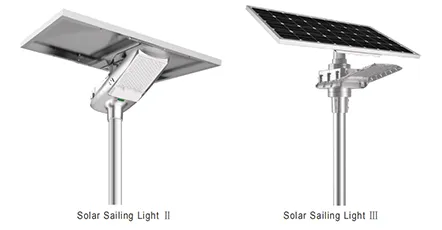
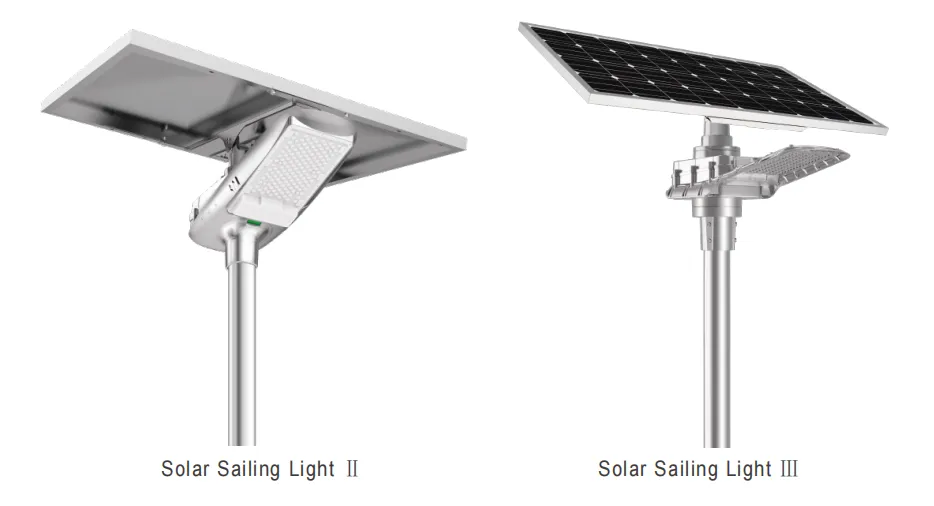
What Are the Different Types of Solar Street Lights? A Complete Buyer's Guide from a Solar Street Light Manufacturer. As cities, infrastructure developers, and energy planners worldwide accelerate the transition to renewable energy, solar street lights have become a core solution for outdoor lighting projects. From highways and industrial parks to rural roads and smart cities, solar-powered street lighting delivers energy independence, lower operating costs, and rapid deployment. However, one of the most common questions buyers may ask is that:“What are the different types of solar street lights, and which one is right for my project?”This pillar guide answers that question in depth. As a professional solar street light manufacturer, we will break down all major types of solar street lights, explain their structures, applications, advantages, and limitations, and help procurement teams, distributors, and project owners make confident purchasing decisions.Table of ContentsWhat Is a Solar Street Light?Why Understanding Solar Street Light Types Matters for BuyersClassification by System StructureAll-in-One Solar Street LightsIntegrated Solar Street LightSplit Solar Street LightsSolar Garden Street LampsSplit Type Solar Street LightWhy Work Directly with a Solar Street Light ManufacturerSolar Street Light Wholesale vs. Project CustomizationFAQs from Global BuyersFinal Thoughts & B2B CTAWhat Is a Solar Street Lighting?A solar street lighting is an outdoor lighting system powered entirely by solar energy. Unlike conventional grid-powered lights, it operates independently using energy generated from sunlight during the day and stored in batteries for nighttime illumination.Core Components:Street light solar panelLight source (LED chip)Rechargeable battery (Lithium / LiFePO4)Solar street light controllerLight pole & mounting structureModern systems are designed for high efficiency, long lifespan, and minimal maintenance, making them ideal for both developed and emerging markets.Why Understanding Solar Street Light Types Matters for BuyersNot all solar street lights are the same.From a procurement and ROI perspective, choosing the wrong type can lead to:Insufficient lightingBattery failurePoor performance in rainy seasonsOverpaying for unnecessary featuresProfessional solar street light suppliers always begin with one key step, that's matching the system type to the application environment.Classification by System StructureSolar street lights can be classified by system structure, which directly affects installation complexity, performance stability, scalability, and long-term maintenance cost.As a professional solar street light manufacturer, Roadsmart typically divides solar street lighting systems into the following five categories:All-in-One Solar Street LightAll-in-One solar street lights integrate the solar panel, LED lamp, lithium battery, and controller into a single compact unit.Integrated Solar Street LightIntegrated solar street lights are an upgraded evolution of all-in-one systems, designed with enhanced structural balance, improved heat dissipation, and higher lighting efficiency.Split Type Solar Street LightSplit type solar street lights separate the major components: the solar panel, LED lamp, battery, and controller are installed independently.Solar Garden Street LampsSolar garden street lamps focus on aesthetic design combined with functional lighting, making them ideal for landscape and pedestrian environments.MPPT Solar Pole Street LightMPPT Solar Pole Street Lights are advanced systems that integrate MPPT (Maximum Power Point Tracking) controllers directly into the pole-mounted solar lighting solution.Solar Street Light Types by System StructureTypeSystem StructureKey AdvantagesLimitationsBest-Fit ApplicationsBuyer RecommendationAll-in-One Solar Street LightSolar panel, battery, controller, and LED integrated into one unit• Fast installation• No wiring• Low labor cost• Clean appearance• Fixed panel angle• Limited power scalabilityResidential roads, parking lots, pathways, community projectsIdeal for standard projects, distributors, and solar street light wholesale ordersIntegrated Solar Street LightOptimized integrated structure with improved heat dissipation• Higher lighting efficiency• Longer battery lifespan• Better thermal management• Slightly higher cost than basic all-in-oneUrban streets, commercial zones, municipal upgradesBest choice for cities balancing performance and aestheticsSplit Type Solar Street LightSolar panel, battery, controller, and LED installed separately• Adjustable panel angle• High power options• Longer system lifespan• More complex installation• Higher initial costHighways, industrial parks, government & EPC projectsRecommended for large-scale infrastructure and professional engineering projectsSolar Garden Street LampsDecorative lamp body with compact solar system• Aesthetic design• Easy installation• Eco-friendly• Lower power output• Limited road coverageParks, gardens, villas, resorts, walkwaysBest for landscape lighting and decorative outdoor spacesMPPT Solar Pole Street LightPole-integrated system with MPPT charge controller• 20–30% higher charging efficiency• Strong performance in low sunlight• Higher system complexity• Higher unit costCloudy regions, high latitudes, long rainy seasonsIdeal for projects requiring maximum energy efficiency and reliabilityProducts Comparative Analysis FormWhy Work Directly with a Solar Street Light ManufacturerFor B2B buyers, choosing who you buy from is just as important as choosing which type of solar street light.Working directly with a professional solar street light manufacturer, rather than a trading company or reseller, provides significant long-term advantages.Factory-Level Cost ControlA manufacturer-owned solar street light factory controls raw material sourcing, production, and quality inspection. This allows buyers to:Avoid unnecessary middleman marginsAchieve more competitive pricing on large ordersMaintain price stability for long-term projectsThis is especially important for government tenders, EPC contractors, and distributors handling repeat purchases.Customization & Engineering SupportUnlike generic suppliers, a real manufacturer offers:Customized solar panel sizing based on local sunlight dataBattery autonomy design for rainy or cloudy regionsOptical lighting simulations (lux distribution & road standards)This ensures the selected system structure—whether all-in-one, integrated, split type, or MPPT pole light—actually performs as expected after installation.Consistent Quality & Long-Term SupplyDirect cooperation with a solar street light company ensures:Consistent product specifications across batchesStable quality control standardsReliable long-term supply for multi-phase projectsFor large-scale infrastructure projects, this consistency is critical.Solar Street Light Wholesale vs. Project-Based CustomizationDifferent buyers have different procurement models. Understanding the difference between solar street light wholesale and project customization helps optimize both cost and performance.Solar Street Light WholesaleWholesale purchasing focuses on:Standardized modelsFaster deliveryBulk pricing advantagesBest for:DistributorsImportersStock-based resellersStandard residential or commercial lighting projectsWholesale models are typically all-in-one or integrated solar street lights, designed for wide market compatibility.ConclusionUnderstanding the different types of solar street lights is not just a technical exercise, whereas it is a strategic decision that directly impacts project performance, operating cost, and long-term reliability.From all-in-one and integrated solar street lights designed for fast deployment, to split type systems and MPPT pole solar street lights built for demanding environments, each system structure serves a specific purpose. There is only the right configuration for the right application, instead of universal solution.

View Detail

Trusted Solar Street Light Manufacturer for Global Projects

Knowledge

Trusted Solar Street Light Manufacturer for Global Projects When it comes to reliable, high-performance solar lighting solutions, choosing the right solar street light manufacturer is crucial. At Roadsmart, we specialize in providing top-quality solar street lights for urban, rural, and industrial projects worldwide. From solar street light suppliers to complete project solutions, we ensure your investment delivers long-lasting efficiency and sustainability.Why Choose a Professional Solar Street Light Manufacturer?Selecting a trusted solar street light company ensures that your projects meet international quality standards and deliver consistent performance. Here's why partnering with a professional manufacturer makes all the difference:Quality & Reliability You Can TrustOur solar street lights are built with premium materials such as durable aluminum alloy housings, high-efficiency LED chips, and weatherproof designs rated up to IP66. By partnering with a certified solar street light factory, you benefit from products designed to withstand harsh weather and long-term use.Cost-Effective & Scalable SolutionsWe provide solar street light wholesale options that reduce your per-unit costs while offering scalable solutions for small community installations or large-scale urban projects. Our one-stop service—from design to delivery—ensures your procurement process is seamless.Compliance & CertificationsAll our products meet CE, RoHS, and ISO9001 standards. Working with an experienced solar street light manufacturer guarantees compliance with regulations in any country, giving you peace of mind for global projects.Our Solar Street Light Products & SolutionsWe offer a wide range of solar street lighting options, catering to diverse project requirements.Types of Solar Street LightsAll-in-One Solar Street Lights: Integrated battery and solar panel design for easy installation.Split Solar Street Lights: Separate panels and batteries for larger installations.Smart Solar Street Lights: IoT-enabled lighting for intelligent control and monitoring.Customization OptionsAdjustable brightness and pole heights to suit your project.Battery capacity and solar panel size tailored to local conditions.Advanced features such as anti-theft designs, motion sensors, or smart timers.Suitable ApplicationsUrban roads, highways, and city streetsParking lots, campuses, and industrial parksRural electrification and community lighting projectsHow We Ensure Quality & PerformanceAdvanced Manufacturing & TestingOur solar street light factory implements precise manufacturing techniques including CNC machining and rigorous testing for longevity, waterproofing, and durability. Each product undergoes temperature cycle testing and corrosion resistance checks to ensure long-term reliability.Battery & Solar Panel PerformanceLong-life lithium or LiFePO4 batteriesHigh-efficiency monocrystalline or polycrystalline solar panelsIntelligent charge-discharge management systems to maximize lifespanAfter-Sales Support & WarrantyWe back our products with a comprehensive warranty and dedicated after-sales service. Our team provides installation guidance, technical support, and global logistics assistance, ensuring a hassle-free experience for all clients.Case Studies & Global ProjectsUrban Road ProjectsOur lights illuminate major city streets across multiple continents, reducing energy costs and enhancing public safety.Rural Electrification ProjectsDurable solar street lights have brought sustainable lighting to remote communities, offering reliable performance under extreme weather conditions.Smart City Solar LightingThrough IoT-enabled solutions, we support intelligent lighting management, energy efficiency monitoring, and automated control for smart city initiatives.Frequently Asked Questions (FAQ)Q: How long do your solar street lights last?A: Our lights are designed for 25,000–50,000 hours of illumination, depending on the model and usage conditions.Q: Can you customize solar street lights for specific projects?A: Yes, as a leading solar street light company, we offer full customization including brightness, battery capacity, and pole height.Q: What is the warranty period?A: We provide a 3–5 year warranty, with technical support and replacement parts available throughout.Q: Do you supply in bulk for large-scale projects?A: Absolutely. We offer solar street light wholesale options and can fulfill large orders from our factory with fast lead times.Q: How do you ensure timely delivery?A: Our efficient supply chain and professional logistics team ensure on-time delivery worldwide.Get a Quote from a Reliable Solar Street Light ManufacturerReady to power your projects with high-quality solar street lights? As a trusted solar street light supplier and manufacturer, we deliver tailored solutions for any project size. Contact our experts today for a fast quotation and customized solution.

View Detail

The Pros and Cons of All-in-One Solar Street Lights

Company News

The Pros and Cons of All-in-One Solar Street Lights What is an All in One Solar Street Light?An all in one solar street light integrates the solar panel, LiFePO4 battery, MPPT charge controller, and LED module into a single weather-sealed housing. This design removes feeder cabling, control cabinets, and trenching, so that installation is quick, clean, and repeatable. Many models add smart control (profiles, motion-based dimming) and IoT monitoring for fleet-level visibility. When it's the right fit: corridors with good sun exposure, projects where trenching is difficult or expensive, fast retrofits, parks/campuses, rural or developing grids.The ProsZero Trenching & Rapid DeploymentNo underground feeders, no junction boxes, no utility tie-ins. Crews mount the head, set tilt/aim, and commission with a handheld remote—cutting civil costs, accelerating handover, and keeping sidewalks and landscapes undisturbed.Low OPEX & Predictable Lifecycle CostsWith no grid draw, energy bills drop to zero. Pair long-life LiFePO4 and high-efficacy LEDs with optional remote diagnostics, and routine work narrows to scheduled panel/lens cleaning and periodic checks—easy to plan and budget.MPPT Efficiency for Stable Nightly PerformanceModern multi-peak MPPT continuously tracks the true maximum power point—even under partial shade or dust—boosting daily harvest and keeping night-to-night output steady across seasons.Safer, Cleaner, More Resilient by DesignLiFePO4 chemistry offers excellent thermal stability and cycle life. IP-rated, anti-corrosion housings and surge protection keep lights operating through rain, dust, and coastal air—delivering reliability with zero operational emissions.Optional Smart & IoT ControlTime-of-night dimming, motion-activated boost, QR-code commissioning, and NB-IoT/LoRa dashboards reduce truck rolls, surface faults early, and give teams fleet-level control of every asset.The ConsSolar Resource Rules PerformanceIn heavy shade or deep urban canyons, solar harvest falls. If the system isn't sized for the worst-month sun hours, the controller will dim output or shorten runtime to protect the battery.Mitigation: conduct a site survey and shading analysis, set correct tilt/azimuth, and design to worst-month PSH with margin.Higher Unit CAPEX vs. Basic Grid LEDsAll-in-one units bundle PV, battery, and controller, so the fixture price can exceed a simple grid-fed LED head.Perspective: compare total cost of ownership (TCO)—AIO often wins once you factor in avoided trenching, switchboards, meters, permits, and $0 energy.Batteries Still Wear—Plan a RefreshLiFePO4 lasts much longer than lead-acid, but not forever. Temperature, depth-of-discharge, and cycle count drive mid-life replacement timing.Mitigation: size correctly to limit deep cycling, choose serviceable designs, and budget a planned refresh.All-in-One vs. Split-Type vs. Grid LEDCriterionAll-in-One SolarSplit-Type SolarGrid-Tied LEDTrenchingNoneNoneRequiredInstall speedFastestFastSlow (civils)Panel placementFixed on headFlexible (best in shade)N/AOPEX$0 energy$0 energyUtility billsSun/shade sensitivityHigherLower (panel can move)NoneUnit CAPEXHigherHigher–HighestLowerBattery refreshYes (mid-life)Yes (mid-life)No batteryBest fitRoads/parks with good sun, fast retrofitsShaded sites, big PV needsGrid-ready corridorsRule of thumb: If the panel on the luminaire can see the sun for the worst month, all-in-one is the simplest, fastest path. If not, consider split-typeso the panel can be placed in full sun.Sizing Essentials Lighting target: mounting height, road width/class, required average lux and uniformity.Nightly load: LED wattage × hours by time-of-night profile (e.g., 100% 18:00–22:00; 70% 22:00–01:00; motion-boost thereafter).Worst-month sun hours: local PSH at your tilt/azimuth; apply shading/soiling factors.PV & battery: enough panel to fully recharge after a typical winter day; enough LiFePO₄ for target autonomy (e.g., 2–5 nights) without deep cycling.Environment: wind-load, corrosion class, surge rating, temperature range; maintenance plan for panel/lens cleaning.Ask your all in one solar street light manufacturer for a photometric layout and a worst-month energy model. Both are must-haves for municipal specs.Maintenance Still Matters Panel cleaning – Set frequency by site conditions (dust, pollen, salt spray). Even light soiling cuts harvest; rinse/soft-brush on a regular schedule.Lens/optics cleaning – Keeps lumens on the road and preserves uniformity; avoid harsh solvents and check for yellowing or cracks.Post-storm inspections – Reconfirm orientation/tilt, retorque brackets/fasteners, and inspect gaskets/seals and surge devices for damage.Battery health – Track SOC, cycles, and temperature via IoT or a handheld; tweak dimming profiles as seasons change and plan a mid-life refresh.Common MisconceptionsCommon misconceptions persist: that solar lights can't handle winter; in reality, they can when sized for worst-month irradiance, set to the proper tilt/azimuth, and paired with snow-shedding mounts and cold-rated components. Another myth is that batteries die quickly; Grade-A LiFePO4 with MPPT charging and sensible time-of-night profiles delivers long service life—just budget a planned mid-life refresh in the TCO. Output isn't unreliable; adaptive dimming deliberately lowers brightness during extended storms to preserve energy and reach dawn—energy management by design, not a defect. Finally, “any pole will do”is false; poles and brackets must meet local wind-load and corrosion requirements and use certified fasteners appropriate to height, exposure, surge protection, and grounding.When Not to Use All-in-OnePersistent shading you can't mitigateDense trees, building canyons, or architectural overhangs that block sun for long periods will starve the head-mounted panel.Very high latitudes without re-engineeringIf you won't upsize PV/battery and adjust tilt for worst-month irradiance, winter performance will suffer.Industrial dust without a cleaning planHeavy soiling (cement, mining, agriculture) will cut harvest and shorten autonomy unless routine washing is scheduled.In these scenarios, choose a split-type solar street light (so the panel can be placed in full sun) or address the site constraint before specifying all-in-one.FAQsQ1: How long will an all-in-one run during a stormy week?Properly sized systems budget multi-night autonomy and can dim intelligently to reach dawn—design to the worst month with margin.Q2: Is remote monitoring necessary?Not required, but it cuts OPEX by catching faults early and proving charge/discharge health across your fleet.Q3: Can I use all-in-one on main roads?Yes—if lumen class, optics, height, and spacing meet your road standard. Ask for a photometric layout.Q4: What about coastal sites and high winds?Specify anti-corrosion finishes, stainless hardware, surge protection, and poles rated for local wind codes.Q5: When should I choose split-type instead?When the panel on the head cannot see the sun (persistent shade) or you need larger PV/ground-level battery access.ConclusionFor many municipal, campus, and private-estate projects, all-in-one solar street lights deliver exactly what buyers want: no trenching, fast installs, and low OPEX—powered by MPPT efficiency, long-life LiFePO4, and optional IoT control. The trade-offs are real but manageable: design for your solar resource, accept that unit CAPEX can be higher than a basic grid LED, and plan for eventual battery replacement. Choose a vendor who will model both photometrics and energy, and your lights will simply work, night after night at a predictable cost.

View Detail

What is the role of solar street light controllers

Knowledge

What is the role of solar street light controllers Why Controller & Remote System Matching MattersThe performance and reliability of a solar street light system depend heavily on proper matching between the solar charge controller, battery, LED light source, and solar street light remote control system. When the controller and remote system are designed to work together, lighting parameters such as brightness levels, operating time, and energy-saving modes can be executed accurately and consistently. Poor system matching may lead to unstable lighting output, reduced battery lifespan, or ineffective remote commands. For large-scale projects, a well-matched controller and remote control system ensures optimized energy management, simplified maintenance, and long-term operational stability, making it a critical factor when selecting a professional solar street light manufacturer.What are the advantages of solar street light remote control? 1. Extend battery lifeThe solar street light controller adopts an intelligent power reduction algorithm based on the remaining battery power to ensure that the battery works in the best condition. This will greatly prolong the lifespan of the battery. At the same time, the controller also has high-precision temperature compensation function. 2.Voltage raisingThe solar street light controller controls the output voltage from the output terminal. Regarding 24V system, if the battery voltage does not reach the 36V, required voltage for normal lighting ON, the controller will raise the output voltage to achieve the lighting requirement. This function must be realized by the solar charge controller for street light. 3.Voltage RegulationIn a solar street light system, the controller plays a pivotal role not just in turning lights on and off but also in ensuring stable, reliable electrical performance across varying conditions. One of the controller's most important functions is voltage regulation, namely a capability that protects the battery, LED load, and overall system from damage and inefficiencies caused by fluctuating voltages. 4.Ensure constant current outputThe LED needs constant current or current limiting by technical means to perform normal work. Usually the LED lights are powered by an external drive power for constant current of the LED. 5.Time control functionA single night can be split into three-stages. Each section lights for several hours, generally 3 hours + 3 hours + 2 hours configuration, a total of 8 hours. Of course, you can also set it to only light for 6 hours.Road Smart, as solar controller industry-leading team, they have rich experience on intelligent solar street light development. Before selecting a supplier, buyers should review the solar street light remote control manual to confirm usability and system compatibility. Welcome to contact us for more functions of intelligent solar street light controller.Solar Street Light Remote Control InstructionsSolar street light remote control instructions provide clear guidance on how to operate and configure intelligent lighting systems efficiently after installation. Through the remote control, users can easily adjust brightness levels, set lighting durations, activate motion sensor modes, and switch between energy-saving and full-power operation. Well-defined solar street light remote control instructions help prevent incorrect settings that may shorten battery life or reduce lighting performance. For large-scale projects and municipal applications, standardized solar street light remote control manuals ensure consistent system operation, simplify maintenance, and enable quick parameter adjustments without on-site technical intervention.

View Detail

Installation Guide of Solar Street Light

Knowledge

Installation Guide of Solar Street Light Installation Preparation ChecklistBefore installation, confirm the site has sufficient sunlight with no shading, and that ground conditions meet foundation requirements. Check all solar street light components for completeness and damage, prepare necessary tools and safety equipment, and verify pole height, spacing, and orientation according to the project plan. Proper preparation helps ensure efficient installation and reliable system performance.Step 1: Inspection and testing Check if the accessories are complete, Test whether the lamp is working properly.Step 2: Assembling the lamp holder(applicable to FB lights and NH lights) Remove the three screws that fix the top cover, then fix the top cover (note the direction of the board). Fix the fixing bracket with the screws from the accessory bag to the solar panel. Assembly of lamp holder and solar panel. Fix the lamp head on the pole according to the direction of the road.(1)Pay attention to the horizontal angle adjustment of the solar panel. Solar panel facing south is the best direction(2)Pay attention to the vertical angle adjustment of the board. The angle of the solar panel should equal to the local elevation angle plus 5°. For example: the installation site dimension is 30 degrees then the board angle should be 35 degrees.(3)Caution; Tighten the non-slip screws.(4)Precautions for daily maintenance, common faults and solutions.Step 3:Attention of Solar Street Light installation The following matters need to be paid attention to in the daily use of solar panels:a. Do not let hard or sharp objects hit the solar panel, otherwise the solar panel will be damaged.b. The solar panel needs to be cleaned regularly during the use (twice a year is recommended). Keep the surface clean, otherwise it may affect the conversion efficiency.c. Do not let other objects (such as branches, billboards, buildings, etc.) block the solar panel surface during use, otherwise the conversion efficiency will be affected.d. The installation place is wide without blocks or no wires on above.e. The direction and angle of the solar installation. In order to maximize the solar panel angle, please let the short side of solar panel downward.f. Solar panel can't be pressed by touchdown, otherwise it may cause sub fissure of solar PVg. No metal objects near the solar lights if have motion sensor function.h. If you install solar street lignt in the northern hemisphere, please make the solar panel towards the south. If you install Intelligent Solar Street Light in the southern hemisphere, please make the solar panels face towards to the north.i. If install Intelligent Solar Street Light in two sides of road, please keep solar panels of two sides are the same direction.

View Detail

The Core Advantages of Solar Street Light

Knowledge

The Core Advantages of Solar Street Light Solar street lights are getting more popular these years. It is a dependable source of lighting the streets all over the world. Solar street lights work by using solar power, storage battery and the solar charge controller. It controls the charging and discharging of the battery. The control methods are divided into two types: light control and time control. When the sun shines on the surface of the solar cell, the electric energy generated by the solar cell charges the battery through the controller; at night, the ray of light gradually weakens, and the working voltage and working current of the solar cell continue to decrease. When the working voltage is lower than the set voltage of the controller, the controller will start the load. Then the solar street light will turn on. When it reaches the setting time or the ray of light is too strong, the controller will automatically turn off the load and the solar battery starts to charge. This process will circulate constantly. Today's solar street lights are high-tech. Solar street lights are controlled by intelligent solar charge controllers, which can automatically adjust the brightness of the lights according to the natural brightness in one day and the brightness people need in various environments. At present, the production technology of most of solar cell modules can ensure that the performance of solar street lights will not decline for more than 10 years; solar cell modules can generate electricity for 25 years or longer. The maintenance cost of solar street lights is low. In remote areas which are far away from cities and towns, the maintenance or repair of conventional power generation, power transmission, street lights and other equipment is very expensive, while solar street lights only require periodic inspections, and their maintenance costs are less than conventional power generation systems. Compared with conventional street lights, solar street lights are safer, because they are ultra-low voltage products. Solar street lights use low voltage, the power generation effect is stable, there is no need to consider the hidden dangers such as electric shock or fire, and there is no need to consider the problem of circuit design, as long as it is installed as required. Solar energy, the energy source of solar street lights, is a kind of renewable and environmentally-friendly energy. It is endless and does not pollute and radiate the environment. Solar street lights use no fuel to operate and work purely on solar energy. Solar energy is unlimited and imperishable and is the perfect green lighting solution. Non-renewable energy sources like coal, gas, oil, etc. can eventually run out. People are becoming conscious about the fact that the use of solar lights helps in reducing the carbon footprints of individuals, homes and businesses. If solar street lights are used in residential quarters, it can reduce property costs and also reduce the cost of owners. Moreover, solar street lights are easy to maintain and do not require electricity, so it is more cost-effective than conventional street lights. Solar street lights only need to be invested once. Generally, the investment cost can be recovered in two to three years and users can obtain the profits. Solar lighting technology has evolved over the years. Researchers and scientists are still working towards making the solar panels more effective. In the future years, solar panels costs are expected to be less expensive. There is a variety of solar street lights available now with different sizes, types, features, etc. and are aesthetically designed to suit users’ functional needs.

View Detail

Choosing The Best Solar Street Light for Your Garden

Knowledge

Choosing The Best Solar Street Light for Your Garden A solar street light is an outdoor light fixture that harnesses the radiant energy from the sun to drive its light engine. Nowadays, there are more and more customers are willing to use the solar street light in their gardens instead of traditional street light. When it comes to choosing and buying solar street light, customers definitely want to buy the best solar street light. But, which is the best solar street light? This article will introduce some types of Road Smart solar street lights for garden. Road Smart solar street lights are popular with domestic and oversea customers for its outstanding performance and reasonable prices, which is the best solar street light option for your garden. Socreat Electronics Technology Limited is a high-tech joint venture enterprise from Hongkong and China Mainland, specialized in R&D, production and sales of intelligent LED lightings.Road Smart is a new brand of Socreat company, the brand management system in China mainland officially forming in 2016. Road Smart insists on a direction of "expert in intelligent lighting, light up the world", keeping to R&D in intelligent lighting products and improving the quality of light. It is creating a more comfortable, more energy-efficient, higher quality living environment by wisdom. What Is Solar Garden Light A solar garden light allows you to illuminate your garden or the outside of the house in an economic, ecological and aesthetic way. With solar garden lights, you can light your entire garden or create more intimate atmospheres. An outdoor solar light is equipped with a small solar panel and a small storage battery to restore light at night by LED. There is a wide variety of outdoor solar lighting for gardens: solar beacons, solar bollards, solar garden lights, solar outdoor lights, solar pool lights, recessed solar spots, and pucks. Clearly, solar lights have many advantages. If you want to light an alley or a terrace, they could well become your best ally because they are extremely simple to install: you do not have any wire from your network since they are completely autonomous. The solar garden lights switch on automatically without your intervention. The following is the introduction of some types of Road Smart solar light for your garden. Solar Beatle Light The design of solar beatle light draws its inspiration from the appearance of golden cicada---lively, vivid and natural. The ancients believed that the golden cicada lives in somewhere far away from the ground aloof and proud, which represents the nobleness. Solar beatle light has its own features which makes it become the best solar street light. 1、Unique Design It is easy to transport, install and maintain. It is placed and supported by patent bracket instead of traditional expansion bolt. 2、Environmental Decoration Adopting the RGB colour light source, the landscaping design of solar beatle light is a great environmental decoration. 3、Light Distribution Management The Patent PC lens ensure special light distribution for rural area. 4、Power Control The solar beatle light controls the charge and discharge according to the recent weather. 5、LiFePO4 Lithium Battery The LiFePO4 Lithium Battery has eight-year service life and can be charged and discharged for two thousand times, which is embedded in the solar beatle light. 6、Light Efficiency Management The patent led chip is highly efficient, and the whole system lighting efficiency has been improved to 160lm/w. Solar Bee Light The solar beatle lights can be used as solar garden light and pillar light, which is widely used in parks, private gardens, residential quarters, courtyards and other places. The design of solar bee light is inspired from the appearance of honeycomb. The honeycomb has a aesthetic structure and a elegant appearance. Solar Nest Light The YL series of our solar garden light are widely used in courtyards, villas, temples, fences, walls, parks, communities, residential quarters, gardens, lawns, squares, farms, trails, and areas where there is no electricity or less electricity, and energy-saving areas. The design of solar nest light is inspired from the appearance of petrel. The Conclusion It is very advantageous to replace your conventional lights with outdoor solar lights. But be careful! Many tests show us that we must choose a best quality solar light. Road Smart solar street light is the best and most suitable choice.

View Detail

Commercial Application of Solar Street Light

Knowledge

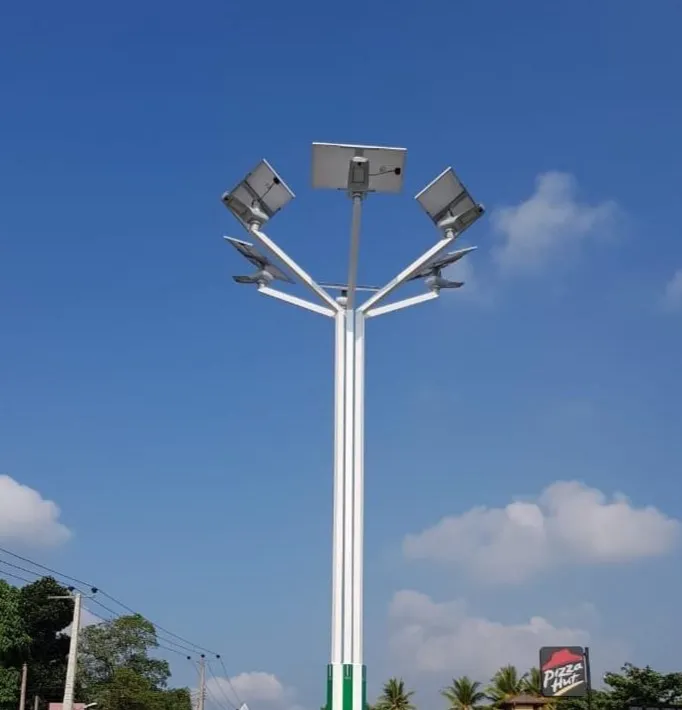
Commercial Application of Solar Street Light In recent years, solar street lights have gained widespread adoption in commercial applications worldwide. From urban streets to rural roads, and from parking lots to recreational parks, solar-powered street lighting has emerged as a highly effective and sustainable solution for outdoor illumination. This shift toward solar lighting systems offers businesses, municipalities, and other organizations a multitude of benefits, ranging from cost savings to environmental advantages. Here are the key benefits of solar street lights in commercial applications:Energy Savings and Cost ReductionOne of the most significant advantages of solar street lights is the energy savings they offer. Traditional street lighting systems are powered by electricity from the grid, leading to monthly energy costs. Solar street lights, on the other hand, generate their own energy from the sun during the day. This means that once installed, solar street lights require no electricity from the grid, leading to zero energy bills.The cost savings extend beyond just the energy consumption:No Utility Infrastructure: Traditional street lighting systems often require extensive trenching, wiring, and junction boxes to connect to the local power grid. This adds significant upfront costs and extends the installation timeline. Solar street lights, however, are self-contained and do not require wiring or trenching, eliminating the need for expensive grid infrastructure.Minimal Maintenance: Solar street lights are designed for long-term use with high-quality components, including LiFePO₄ batteries and LED lights. These components require minimal maintenance, reducing the frequency of repairs and replacements. This lowers the total cost of ownership (TCO) in the long run, making solar street lights an economically viable option for businesses and municipalities.In fact, while the initial cost of solar street lights may be higher than traditional grid-powered lights, the savings on electricity bills and maintenance costs quickly offset this difference, especially when viewed over the system's 10+ year lifespan.Sustainability and Environmental ImpactAs cities, businesses, and governments strive to meet sustainability goals, solar street lights play a key role in reducing carbon emissions and promoting environmental stewardship. Since they rely on solar energy, a renewable resource, solar street lights do not contribute to greenhouse gas emissions during operation.The environmental benefits include:Zero Carbon Emissions: Unlike traditional street lights powered by grid electricity, often generated from fossil fuels, solar street lights do not contribute to CO2 emissions or other pollutants. By using solar energy, which is clean and abundant, they help combat climate change and contribute to a greener, more sustainable future.Reduced Energy Consumption: Solar street lights are powered by the sun, and their battery storage systems store energy for use during the night, making them independent of the grid. This reduces dependence on fossil fuel-powered energy sources and helps lower the carbon footprint of a city or business.Support for Renewable Energy: The use of solar energy is a key component of the global transition to renewable energy. Solar street lights provide a tangible example of how businesses and communities can adopt renewable energy solutions to reduce their environmental impact.For commercial businesses looking to improve their Environmental, Social, and Governance (ESG) performance, solar street lights offer an easy and effective way to enhance sustainability metrics.Low Maintenance and DurabilitySolar street lights are renowned for their low maintenance requirements. Traditional grid-powered lights require frequent bulb replacements, wiring repairs, and general upkeep. Solar street lights, in contrast, are designed to be durable and self-sufficient, minimizing the need for maintenance.Key features that contribute to the low maintenance of solar street lights:Long-lasting LED lights: Solar street lights are typically equipped with LED fixtures, which last significantly longer than traditional incandescent or sodium vapor lamps. These lights can operate for 50,000 hours or more, often exceeding the lifespan of the entire solar lighting system.Durable Batteries: LiFePO₄ batteries, commonly used in solar street lights, are known for their long lifespan and ability to handle deep cycles without significant degradation. These batteries can typically last for 5-10 years before needing to be replaced.Sealed and weather-resistant components: Solar street lights are built to withstand various weather conditions, including rain, snow, heat, and cold. With IP-rated enclosures, anti-corrosion coatings, and surge protection, these systems can continue to function reliably for years with minimal attention.In addition, the smart charge controllers in solar street lights automatically manage battery charging, preventing overcharging or deep discharging, further extending the system's lifespan and reducing the need for human intervention.Improved Safety and SecuritySolar street lights enhance safety and security in both public and private spaces. These lights provide consistent and reliable illumination during the night, which is essential for improving visibility and preventing accidents. In commercial settings, this becomes even more critical.Key ways solar street lights improve safety:No dependence on grid power: Solar street lights provide continuous illumination, even during grid power outages, ensuring that commercial properties, parking lots, industrial sites, and public spaces remain well-lit and secure at all times.Motion detection and adaptive lighting: Many modern solar street lights come with motion sensors that adjust the light output based on detected activity. When movement is detected, the light automatically brightens to provide better visibility, and dims once the area is clear. This adaptive dimming helps to conserve energy while providing bright illumination where and when it is needed most.Enhanced security: Solar street lights are often used in areas with higher security risks, such as parks, parking lots, campuses, and streets with little foot traffic. The bright and constant illumination deters criminal activity, helping to keep properties and people safe.Commercial Applications of Solar Street LightsThe versatility of solar street lights makes them ideal for a wide range of commercial applications. From urban streets to remote industrial sites, solar street lights offer a reliable, cost-effective, and environmentally friendly solution for various lighting needs. Below are some of the most common commercial applications of solar street lights:Highways and Main RoadsSolar street lights are particularly well-suited for highways and main roads, especially in remote and rural areas where grid electricity is difficult or expensive to extend. These areas require bright, reliable illumination for driver safety, and solar street lights provide an energy-efficient solution.Key benefits for highways and roads:Zero grid infrastructure: In many areas, installing traditional grid-powered lights is impractical due to the lack of nearby infrastructure. Solar street lights can be installed quickly without the need for costly trenching or power lines.Reliability: Solar street lights can operate reliably in off-grid locations where traditional grid-powered lights would be unreliable or costly to maintain.Durability: Solar street lights are designed to withstand harsh weather conditions, including high winds, snow, and rain, making them an ideal choice for highways and remote areas that may experience extreme weather.Parking Lots and CampusesParking lots and campuses benefit greatly from the use of solar street lights. These spaces require bright, clear lighting to enhance safety and security for pedestrians and drivers. Solar street lights offer a reliable solution that improves visibility while reducing energy consumption and maintenance costs.Benefits for parking lots and campuses:Energy independence: Solar lights can be installed independently of the grid, providing lighting without relying on traditional utility power.Security: Solar street lights help deter crime by providing consistent illumination throughout the night, improving safety in parking lots, near entrances, and along walkways.Quick and easy installation: Solar street lights can be installed quickly and easily, which is ideal for large campuses, universities, or parking lots that need to be lit in a short timeframe.Parks and Recreational AreasParks and recreational areas often require lighting for walkways, playgrounds, and sports fields. Solar street lights provide a sustainable and cost-effective way to keep these areas lit without relying on grid power.Key benefits for parks and recreational areas:Sustainability: Solar street lights are powered by renewable energy, reducing the environmental impact of traditional lighting systems.Low maintenance: With minimal maintenance needs, solar street lights can keep public spaces well-lit without requiring constant attention or costly repairs.Adaptable lighting: Many solar street lights come with adaptive dimming and motion detection features, ensuring that lights only brighten when needed, reducing energy consumption.Industrial and Commercial PropertiesIndustrial and commercial properties, such as factories, warehouses, distribution centers, and construction sites, often require large outdoor lighting systems for security and operational purposes. Solar street lights provide a cost-effective solution for these types of environments, especially in areas with high energy demand.Benefits for industrial and commercial properties:Off-grid energy: Solar street lights can operate in remote industrial locations without the need for grid connection.Durability and resilience: Solar lights are designed to withstand harsh industrial environments and can continue to operate even in extreme weather conditions or during grid outages.Energy savings: Solar lights help industrial and commercial properties reduce their electricity consumption by utilizing solar power instead of relying on the grid.Rural and Off-Grid LocationsSolar street lights are especially useful in rural or off-grid locations where electricity is either unavailable or too expensive to install. These lights can provide illumination for remote roads, villages, and agricultural sites, improving safety and accessibility in areas without access to grid power.Benefits for rural and off-grid locations:Sustainability: Solar street lights are powered by renewable energy, which is ideal for areas where grid power is not an option.Cost savings: With no need for expensive electrical infrastructure, solar street lights offer a low-cost solution for lighting rural roads and other remote areas.Reliability: Solar lights can continue operating even during grid outages, providing consistent illumination for roads and pathways.ConclusionSolar street lights are a powerful and sustainable solution for commercial applications. Whether illuminating highways, parking lots, parks, or industrial sites, solar lights offer numerous benefits, including energy savings, environmental sustainability, low maintenance, and reliable performance. As businesses and municipalities continue to embrace clean energy solutions, solar street lights will play an essential role in providing cost-effective, eco-friendly lighting solutions.For businesses looking to adopt solar street lighting in their projects, RoadSmart provides cutting-edge solutions with reliable performance, advanced MPPT technology, and LiFePO₄ battery technology. Whether you're considering all-in-one systems, split-type configurations, or custom solutions, RoadSmart can help you light your paths sustainably and efficiently.Contact us today to learn more about how solar street lights can benefit your commercial applications and explore the best options for your project. (Singapore installation case)

View Detail

1 2 3 4 5

Let's Build Your Product

Thank you for your interest in our products. Leave your email and message below to get the detailed data sheet and we will respond to your requirements shortly.

Please enter a valid Name

Please enter a valid phone number

Please enter a valid Company

Please enter a valid Email

Please enter a valid Country

Please enter a valid Message

I have read and understood Roadsmart'sprivacy Policy.

Please agree to the privacy agreement