How Long Does a Solar Street Light Last?
May 25, 2026
Read:829
Quick Answer:
According to available data, the average service life of a solar street light is 10–20 years. However, this is only a reference range. The specific lifespan should be evaluated based on the actual use of the entire solar street light system, because different components have different replacement cycles.
A more accurate understanding is that the service life of a solar street light refers to the lifespan of the complete system, rather than a fixed number or something that can be clearly explained by one single component. It is the result of the combined operation of the battery, LED, photovoltaic panel, and controller.
After reading this guide, you will know exactly how to evaluate a solar street light‘s true lifespan, what to look for in each component, and how to extend service life through proper maintenance.
How Long Does a Solar Street Light Last?
How long does a solar street light last? This is a question many people will fully consider before purchasing solar street lights. With the popularity of solar street lights and the increasing maturity of the market, durability has always been a key consideration, especially in areas with off-grid lighting needs and weak basic power infrastructure.
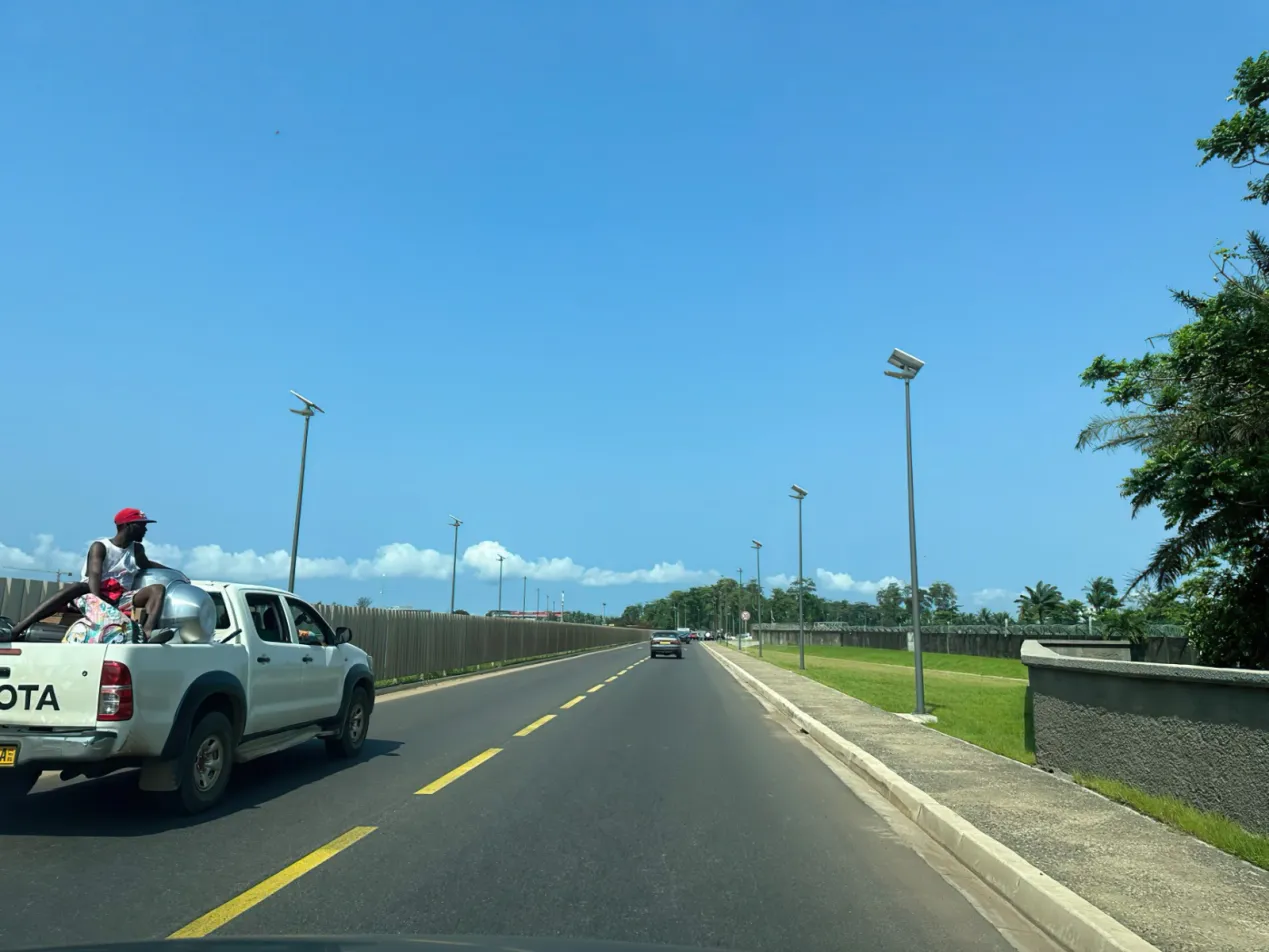
When it comes to the service life of solar street lights, because they have their own lighting system, their lifespan is often jointly determined by the solar photovoltaic panel, battery, LED light source, and control system. Each component is consumed and ages at a different speed, and its degree of influence also varies. Therefore, this article will break down the key factors that affect the service life of solar street led lights one by one, explain how to maintain them to effectively extend their lifespan, and provide some practical methods that can actually be applied.
How Long Can Solar LED Street Lights Generally Be Used?
First, let us return to the main topic of the article and give a reference range. According to publicly available data, in terms of the whole light, high-quality solar led street lights can generally be used for 10–20 years. Of course, this is not a standard answer. As can be seen, this time span is quite large, which shows that the service life is not affected by a single component, but by the entire solar led street light system.
It can be understood in this way: a solar street light is composed of many different components, and different components age at different speeds. Its service life, in essence, cannot be summarized by a single number, but is greatly affected by quality, components, and maintenance. Therefore, when purchasing solar led street lights, you should not only look at the service life of the whole light, but also pay attention to the core components.
What Are the Key Factors That Affect the Lifespan of LED Solar Street Lights?
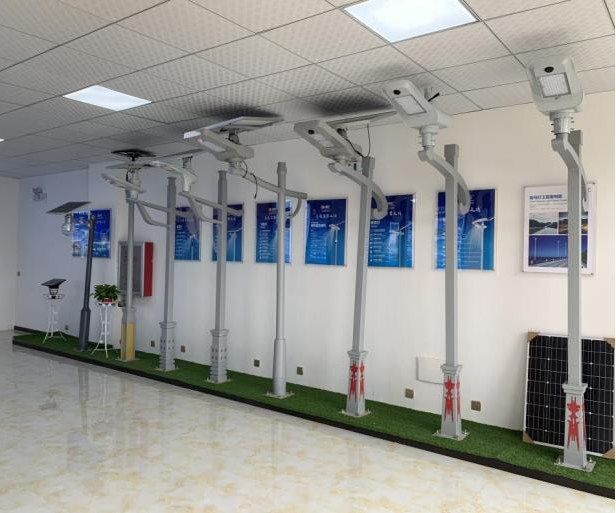
Core Components of Solar Street Lights
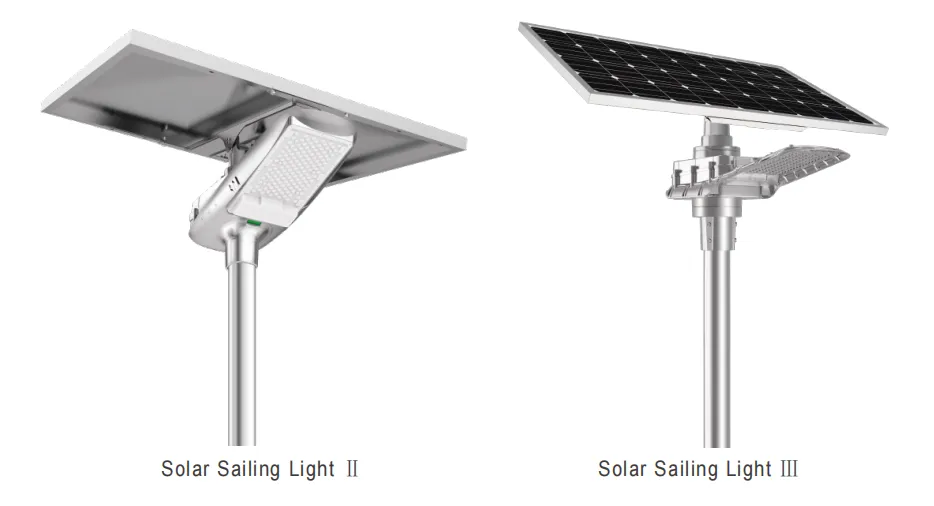
LED solar street lights are composed of core components such as solar photovoltaic panels, batteries, LED light sources, and controllers. They each perform their own duties and manage different functional parts respectively. These core components are the key factors that affect the lifespan of solar street lights. According to publicly available information, the following table shows the impact of different core components:
Core Component | Common Lifespan Reference | What to Pay Attention To |
Solar panel | 20–25 years or longer | Degradation is usually slow, but dust accumulation, shading, and thermal stress will affect power generation |
LED light source | More than 50,000 hours, which can be converted into more than 10 years in many scenarios | Often expressed as L70, which does not mean it suddenly fails |
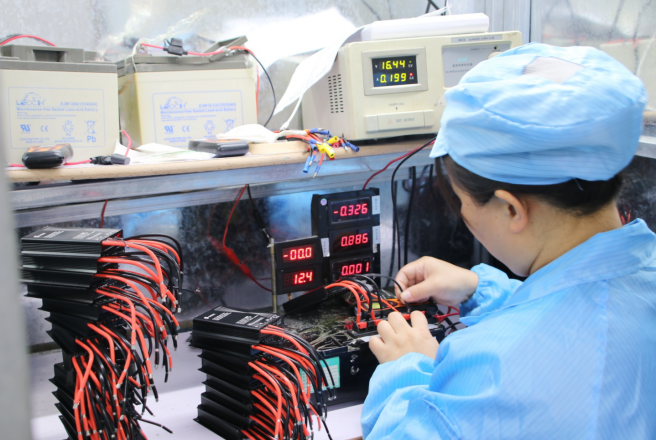
Lithium battery / LiFePO4 | Commonly 3–7 years, depending on type and usage conditions | Temperature, depth of discharge, and BMS management are the most critical |
Controller and electrical components | Commonly 5–10 years | Waterproofing, lightning protection, heat dissipation, and component quality will affect lifespan |
Manufacturing Quality of Solar Power Street Lights
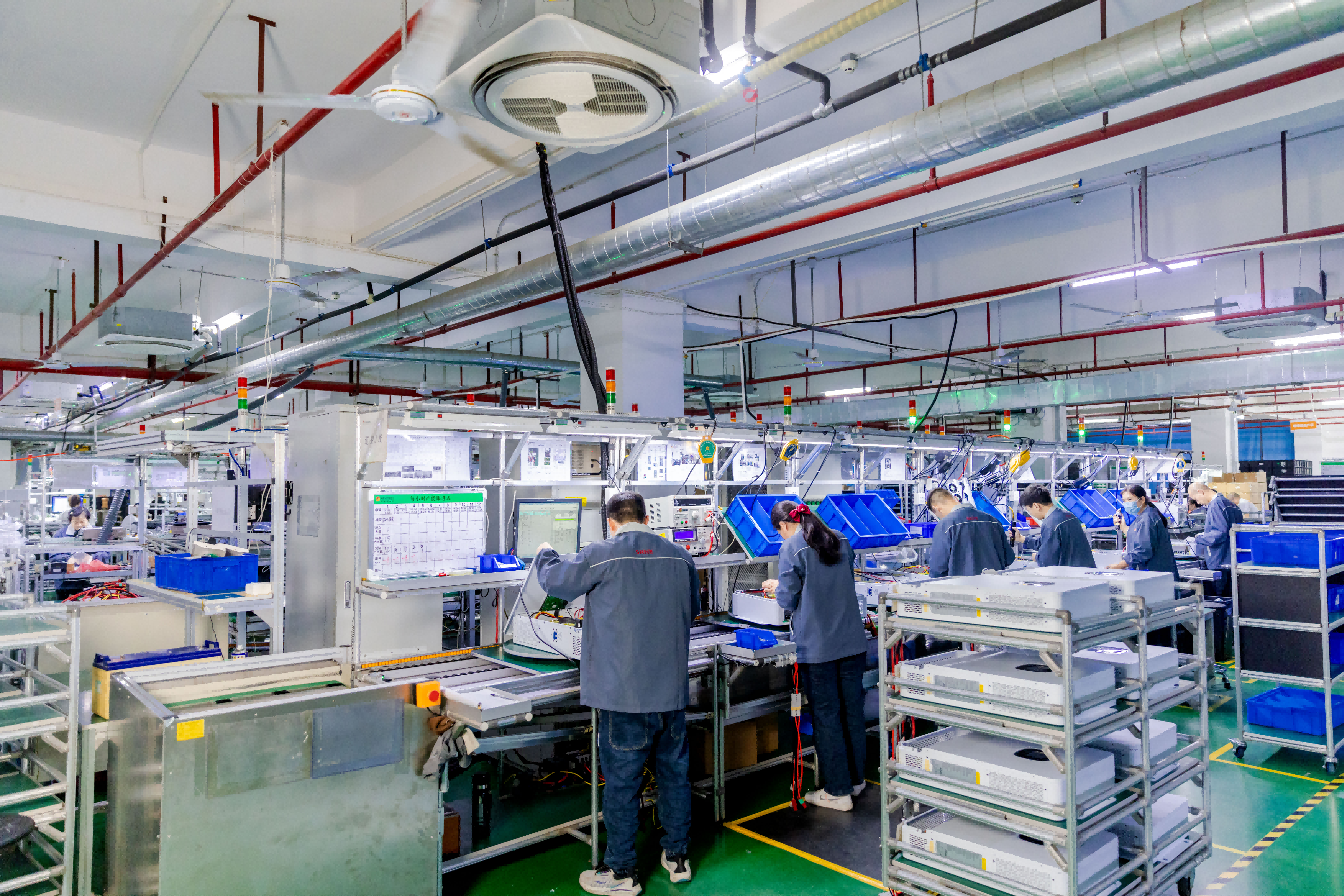
Manufacturing quality is the basic hard factor that determines the service life of solar power street lights. As the saying goes, to forge iron, one must be strong oneself. Different materials and manufacturing processes can cause great differences in the service life of solar street lights. High-grade solar photovoltaic panels, LiFePO4 batteries, stable-quality controllers, strong and corrosion-resistant housings, and other factors are all key to extending the service life.
Operating Environment of Solar LED Street Lights
Different climate environments directly affect the lifespan of solar led street lights. High temperatures accelerate battery aging, humidity and salt spray aggravate corrosion, and continuous dust accumulation affects the charging efficiency of the panels. Different core component configurations need to be selected according to the environment. For example, in a desert environment, batteries that can withstand a wider temperature range should be selected. Choosing the configuration according to actual needs will better match the environmental requirements.
Installation Method of LED Solar Street Lights
This is the point that is most easily overlooked. People may often think that installation is not that important and will not affect much, but whether the installation is reasonable and suitable is a key factor affecting the service life of led solar street lights. Different installation angles affect charging efficiency. If the angle is incorrect, it will lead to insufficient charging, and the battery will remain in a deep discharge state, greatly shortening its lifespan. Therefore, it is necessary to ensure that the installation is reasonable so that the system can operate in its best condition.
Daily Maintenance and Replacement of Solar Street LED Lights
In addition, there is an even more important influencing factor: daily maintenance and replacement. Solar street led lights are not completely maintenance-free. It is still necessary to regularly clean the surface of the photovoltaic panel, check whether the lamp body is loose, inspect the cables, check whether the housing is corroded, and inspect and replace core components such as batteries and controllers. The earlier problems are discovered and handled, the more the damage can be minimized.
How to Effectively Extend the Service Life of Solar Power Street Lights?
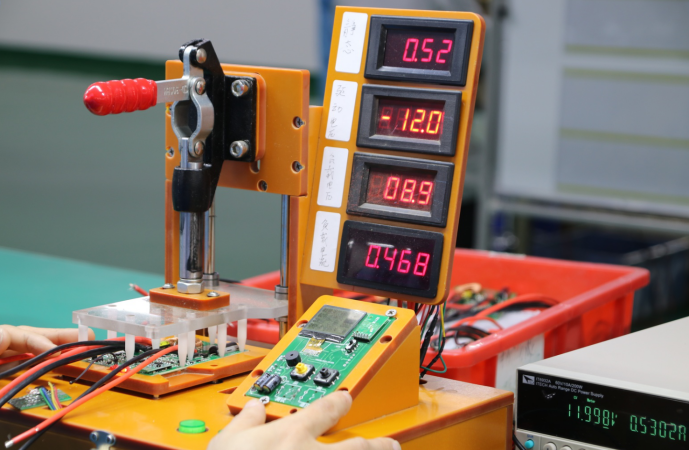
First, start with selection. For the structure and core components, priority should be given to high-quality batteries and stable controller systems. Good quality is the hard foundation of protection.
Second, fully consider the local climate and environment, choose different housing materials, and pay attention to the stability of sunlight during installation to avoid uneven light exposure.
Finally, carry out regular inspections, especially panel cleaning, battery status checks, and waterproof sealing checks.
The durability of solar power street lights is affected by many factors, whether it is the core components of the solar street light, manufacturing, operating environment, installation, or other factors. You should not only think about how to repair them. How to prevent problems is the key to extending their service life.
- Clean photovoltaic panel surface dust & bird droppings – at least 2x per year
- Check for loose bolts, pole corrosion, or lamp head tilt
- Inspect battery status if accessible – voltage, swelling, leaks
- Test controller function: charging during day, lighting at dusk
- Verify waterproof seals – especially after heavy storms
- Check for vegetation shading that may have grown over time
Frequently Asked Questions
Q1: How long do the batteries for solar streetlights last? Do I need to stock up in advance?
A: It depends on the battery type. Ordinary lead-acid batteries last 2-3 years, while LiFePO₄ (lithium iron phosphate) batteries can last 5-10 years. RoadSmart uses Grade A LiFePO₄ cells with a cycle life of over 2000 cycles. We recommend checking them every 5-6 years and considering replacement after 7-8 years.
Q2: Can I replace a broken LED chip individually?
A: Yes. However, integrated LED chips are usually integrated into the light panel, requiring specialized tools and soldering. RoadSmart offers a modular design, and some models support individual light panel replacement. Separate designs are easier to repair.
Q3: Can the lifespan of a solar panel really reach 25 years?
A: Yes, a qualified monocrystalline silicon photovoltaic panel will degrade by about 2-3% in the first year, and about 0.5-0.7% annually thereafter. After 25 years, it will still have over 80% of its power generation capacity. However, surface dust, hot spots, and physical damage will accelerate the degradation.
Q4: Will the lifespan of solar streetlights be shorter in areas with frequent cloudy or rainy days?
A: If the battery capacity is insufficient (insufficient battery life on cloudy or rainy days), the battery will frequently discharge deeply, significantly shortening its lifespan. We recommend choosing a 5-7 day battery life configuration; RoadSmart products support this standard.
Q5: How can I tell if a solar streetlight needs maintenance?
A: Common signs: significantly shortened lighting time, dimming brightness, no light on cloudy or rainy days, and abnormal controller indicator lights. Regular checks can detect problems early.
Q6: Does RoadSmart offer extended warranty or maintenance services?
A: Yes, RoadSmart offers a 3-year standard warranty, and extended warranty or maintenance contracts can be negotiated. Please consult our sales team for details.