What is an All-in-One Solar Street Light?
Jul 10, 2026
Read:500
When buyers search for "what is an all-in-one solar street light," they usually want more than a definition. They want to know how the system works, whether it is suitable for their road or parking-lot project, and whether it can reduce wiring, installation, and long-term operating costs.
This guide explains the working principle, key components, differences from split solar street lights, suitable applications, and procurement checkpoints, so project buyers can quickly judge whether an all-in-one solar street light is the right fit.
What Is an All-in-One Solar Street Light?
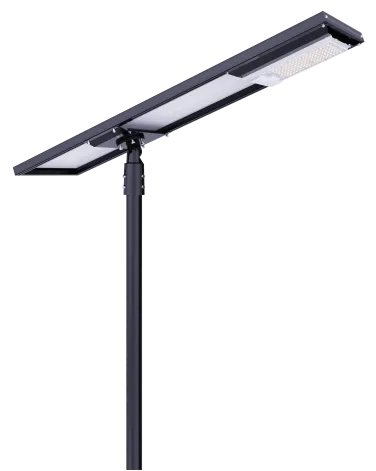
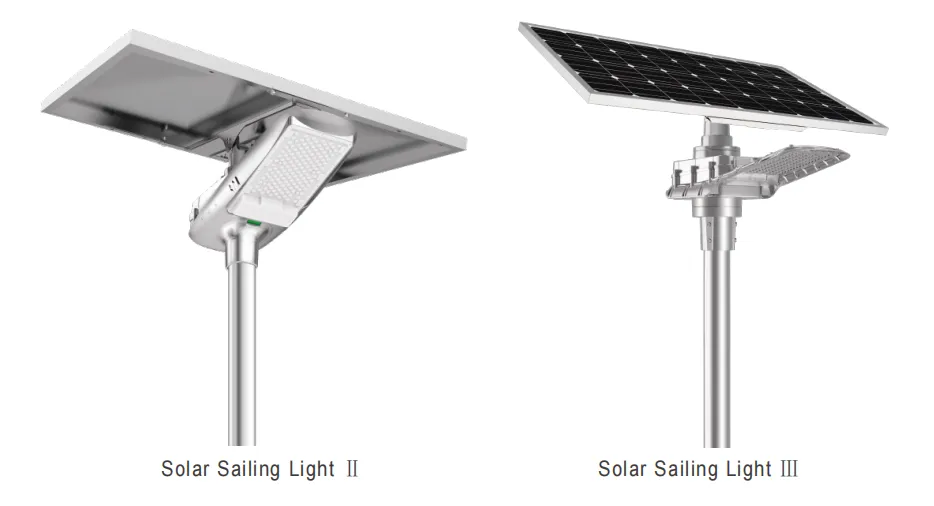
An all-in-one solar street light is a solar lighting system that integrates the solar panel, LED light source, lithium battery, controller, sensor, and lamp structure into one fixture. During the day, the solar panel converts sunlight into electricity and stores it in the battery. At night, the controller automatically powers the LED light to illuminate roads, parking areas, walkways, or other public spaces. [1]
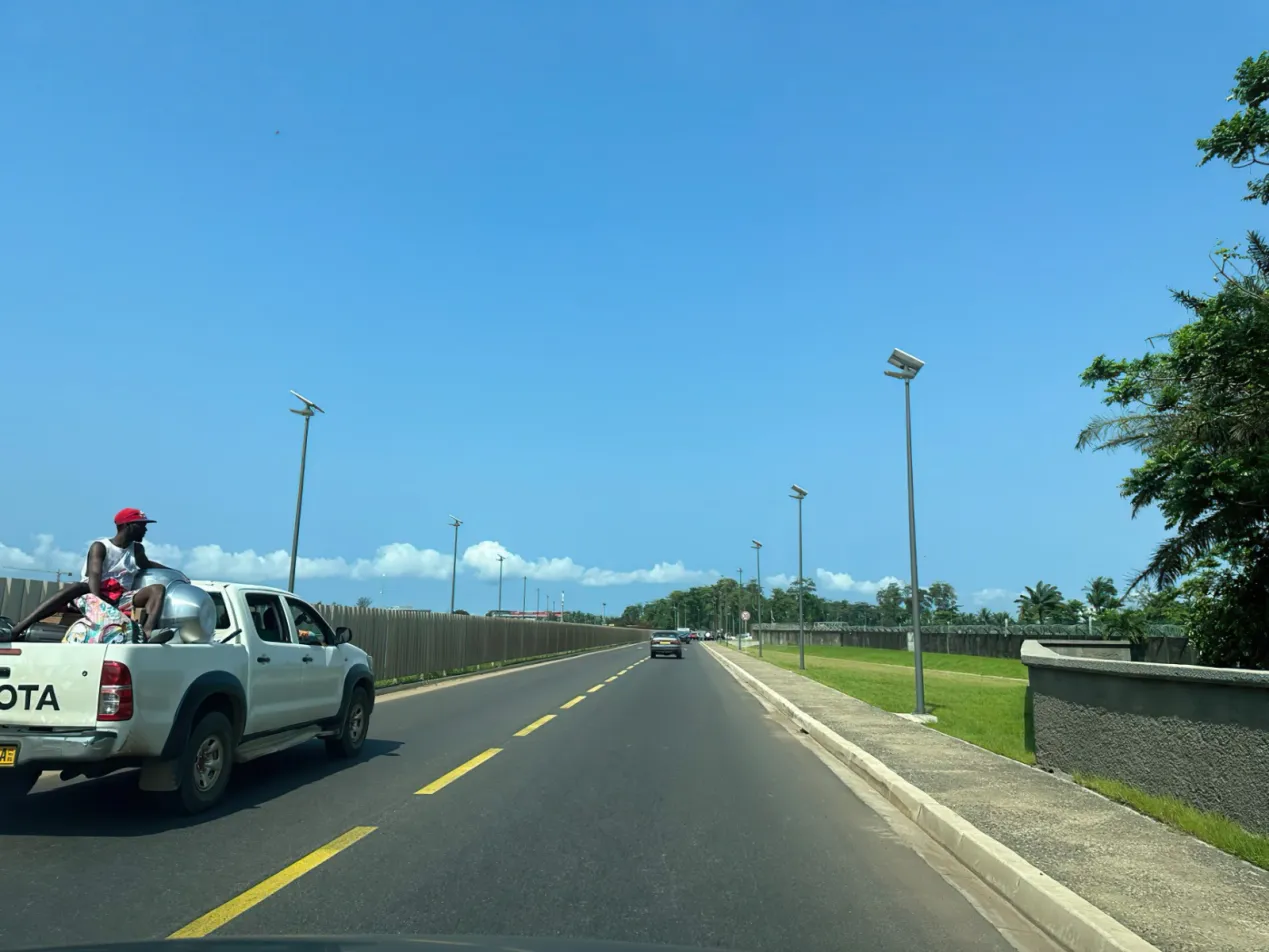
Its biggest advantage is that it usually does not require grid connection or underground cabling. This is especially valuable for remote roads, rural highways, scenic walkways, parking lots, schools, and industrial parks where trenching, cable laying, power distribution, approvals, and later electricity bills can significantly increase project cost and delay installation.
By integrating power generation, energy storage, lighting, and intelligent control into one system, all-in-one solar street lights make deployment faster, cleaner, and easier for projects with weak-grid or off-grid conditions.
How Does an All-in-One Solar Street Light Work?
During the day, the solar panel converts sunlight into electrical energy and stores it in the battery through the controller. The controller manages charging and discharging to help prevent overcharging, over-discharging, and other battery-related risks. At night, the lamp turns on automatically based on light sensing or time settings and uses the stored energy for lighting. [1][2]
Many modern all-in-one solar street lights also use smart control instead of running at the same brightness all night. They can dim by schedule, respond to pedestrian or vehicle movement, and raise brightness only when activity increases. This helps preserve battery autonomy while still maintaining safety when the area is in use. [3]
For this reason, nominal wattage alone is not enough to judge performance. Solar panel size, battery capacity, LED efficiency, controller quality, lighting mode, backup days, and local sunshine conditions all affect the final result.
Which Components Determine the Performance of an All-in-One Solar Street Light?
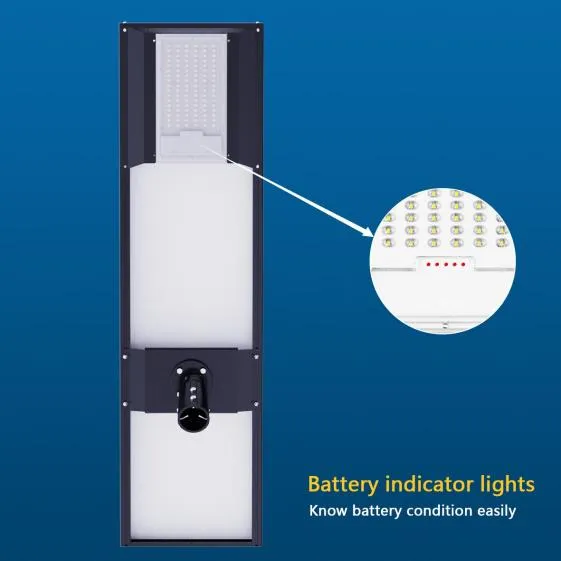
The solar panel determines how much energy the system can collect each day. In sunny regions, the charging margin is usually larger; in cloudy or rainy regions, the solar panel and battery must be matched more carefully to maintain reliable nighttime operation.
The battery determines how long the lamp can operate at night and how well it can survive consecutive rainy days. Buyers should not look only at the capacity figure. Battery type, cycle life, safety, and temperature performance are also important.
The LED light source determines actual brightness and lighting quality. Even two 60W models can perform very differently if their luminous efficiency and optical distribution are not the same. For road projects, brightness alone is not enough; the light should also be distributed evenly and avoid obvious dark areas. [4]
The controller acts like the system brain, managing charging, discharging, dimming, and protection logic. If controller efficiency is poor, even a good solar panel and battery combination can lose performance through unnecessary energy waste.
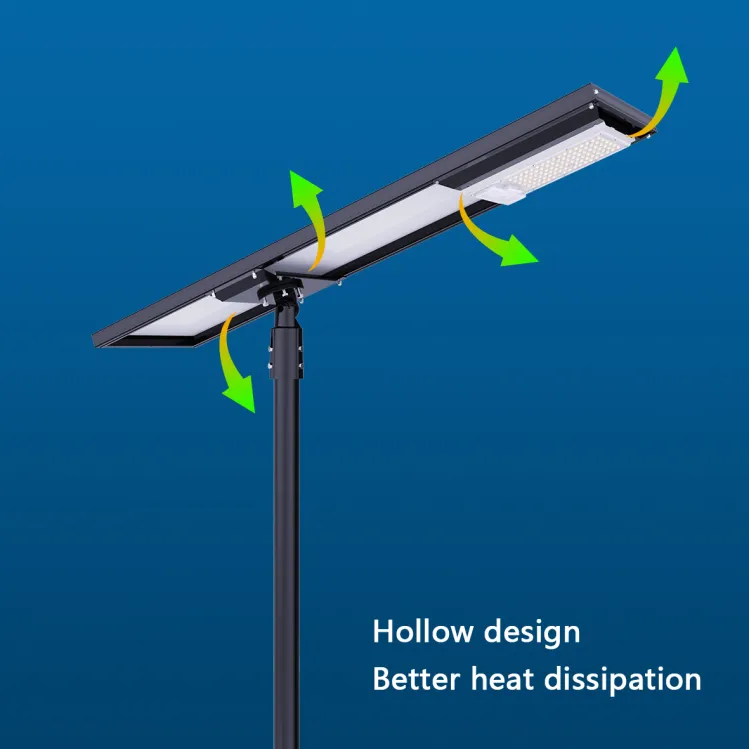
The lamp structure also matters. Outdoor fixtures must withstand rain, heat, UV exposure, dust, wind, and sometimes salt spray. Housing strength, IP protection, heat dissipation, and bracket design all affect long-term service life. [5]
All-in-One vs Split Solar Street Lights: What Is the Difference?
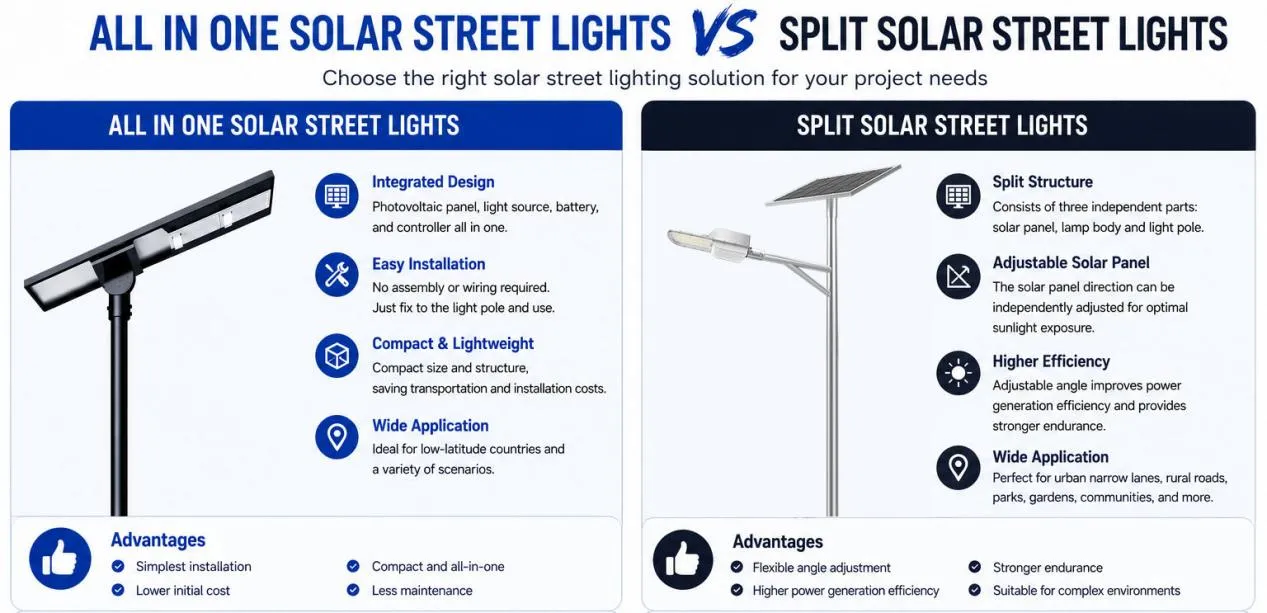
Many buyers compare all-in-one solar street lights with split solar street lights before procurement. The right choice depends on the project rather than on one product type being universally better.
Comparison Item | All-in-One Solar Street Light | Split Type Solar Street Light |
Structure | Solar panel, battery, and lamp head are highly integrated | Solar panel, battery, and lamp head are installed separately |
Installation | Faster, with less on-site wiring | More installation steps, with more complex connections |
Appearance | Simple and compact, suitable for public spaces | Components are distributed separately, offering higher flexibility |
Suitable Projects | Parking lots, parks, schools, communities, rural roads | Wide roads, high-power projects, projects requiring special installation angles |
Procurement Focus | System matching, endurance, installation convenience | Component configuration, installation design, maintenance convenience |
If the project needs faster installation, lower construction complexity, and a cleaner integrated appearance, all-in-one solar street lights are often the better option.
If the road is very wide, the power requirement is high, or the solar panel angle must be adjusted separately for better exposure, split solar street lights or all-in-two solutions may be the safer choice.
Which Projects Are Best Suited to All-in-One Solar Street Lights?
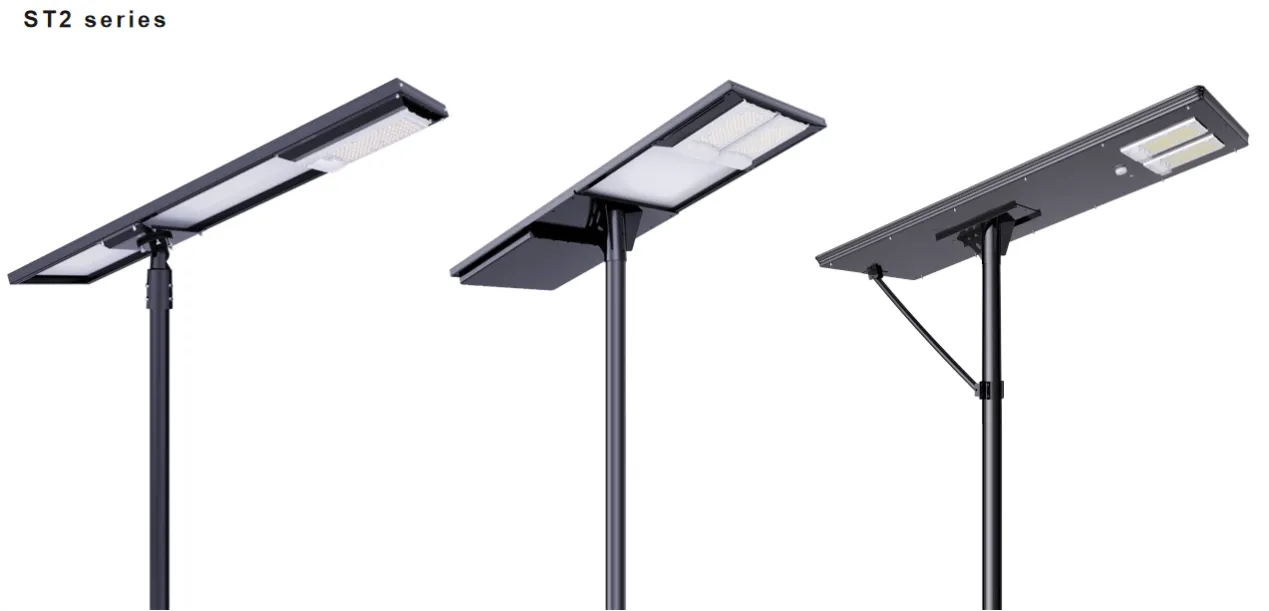
The most suitable projects usually share several traits: high grid-connection cost, difficult construction conditions, pressure to reduce electricity expenses, or a need for rapid installation.
Rural roads and remote highways are typical examples. In many locations, grid coverage is limited and traditional wiring investment is high, so all-in-one solar street lights can reduce dependence on electrical infrastructure.
Parking lots are another common use case. For large outdoor parking areas, wiring and electricity costs can be substantial. All-in-one solar street lights can be deployed by zone, installed flexibly, and expanded later with less disruption.
Schools, parks, and scenic areas often care about both safety and site preservation. Campus roads, walkways, lakeside paths, and scenic entrances need nighttime lighting without large-scale ground damage, so solar street lamps can be a more site-friendly option.
Industrial parks, warehouse zones, and temporary project sites can also benefit, especially in newly built or expanding areas where the grid power system is not yet complete and lighting is needed quickly for access and security.
How Can Buyers Tell Whether an All-in-One Solar Street Light Fits a Project?
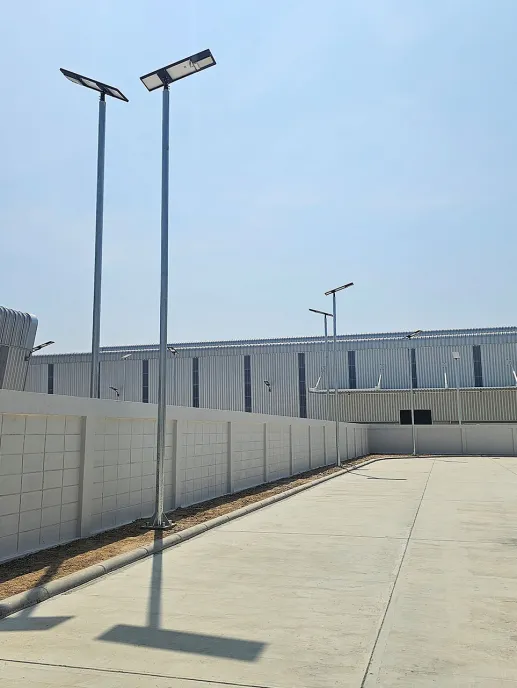
Before procurement, buyers should confirm at least these basics: road width, pole height, installation spacing, required nightly lighting hours, local sunshine conditions, backup rainy days, and whether sensor dimming is needed.
Project type also matters. Parking lots and parks should consider vehicle and pedestrian distribution. Scenic or landscaped areas should consider tree shading and visual coordination. Road projects should focus on lighting uniformity and safe sight distance.
A professional solar street light supplier should not simply recommend the highest-wattage model. The better approach is to recommend a configuration based on the actual project environment. A reliable system is not the one with the most aggressive spec sheet, but the one that can operate stably over time in real local conditions.
FAQ: Common Buyer Questions
Are all-in-one solar street lights good for wide main roads?
They can be, but not in every case. Wide roads with high illumination demand may require higher-output integrated models, all-in-two designs, or split solar street lights depending on pole height, spacing, and road width.
What is the biggest benefit of an all-in-one solar street light?
For many projects, the biggest benefit is reduced installation complexity. Because the system integrates generation, storage, lighting, and control, it can reduce cabling, trenching, and grid-dependence compared with traditional lighting layouts.
Is higher wattage always better when choosing a solar street light?
No. A higher-wattage model is not automatically the better choice if the optical design, battery reserve, solar charging capacity, or local sunshine conditions are mismatched. The better choice is the model that fits the site conditions and lighting target.
What should buyers send to a supplier before asking for a quote?
Buyers should ideally send the project location, road width, pole height, pole spacing, operating hours, backup rainy days, and application type. This helps the supplier recommend a more accurate configuration instead of giving only a rough price by wattage.
Conclusion
The value of all-in-one solar street lights is not simply that they use solar power. Their real value is that they can reduce wiring complexity, speed up deployment, lower dependence on grid infrastructure, and help control long-term operating cost in suitable outdoor projects.
For roads, parking lots, schools, parks, scenic areas, communities, and industrial parks, it can be a flexible off-grid lighting solution. During procurement, buyers should not focus only on wattage and price, but also compare the solar panel, battery, LED efficiency, controller, housing quality, and local usage environment.
For project buyers, the best choice is not the lamp with the highest nominal power, but the system that can deliver stable lighting under real climate, installation, and usage conditions. To get a more accurate quotation, buyers should send suppliers the road width, pole height, spacing, operating hours, and backup-day requirement instead of asking for price by wattage alone.
References
- Outdoor Solar Lighting, U.S. Department of Energy.
- Balance-of-System Equipment Required for Renewable Energy Systems, U.S. Department of Energy.
- Lighting Controls, U.S. Department of Energy.
- Appendix A. Roadway Lighting Details, Federal Highway Administration (FHWA).
- Ingress Protection (IP) Ratings, International Electrotechnical Commission (IEC).