How Do Solar Garden Lights Work and How to Choose the Right System
Jul 17, 2026
Read:752
Solar garden lights work by collecting solar energy during the day, storing it in a battery, and powering LED lighting automatically at night. A controller manages charging, discharging, and lighting modes, allowing the system to operate without trenching or connection to the power grid.
However, not all solar garden lights are the same. Decorative residential lights, pathway lights, and engineering-grade solar garden street lamps differ in brightness, battery capacity, mounting height, runtime, and application range.
This guide explains how solar garden lights work, which components matter most, and how to choose the right system for pathways, parks, residential communities, resorts, campuses, and commercial landscape projects.
Quick Answer: Solar garden lights use a solar panel, battery, controller, and LED fixture to provide off-grid outdoor lighting at night. For project buyers, the right system depends on application scenario, pole height, runtime target, rainy-day backup, and overall configuration rather than wattage alone.
What Is a Solar Garden Light?
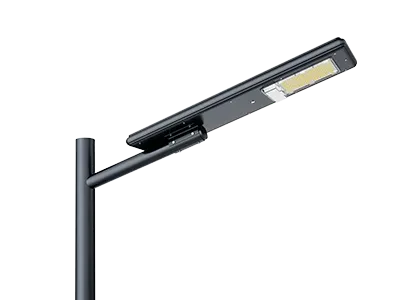
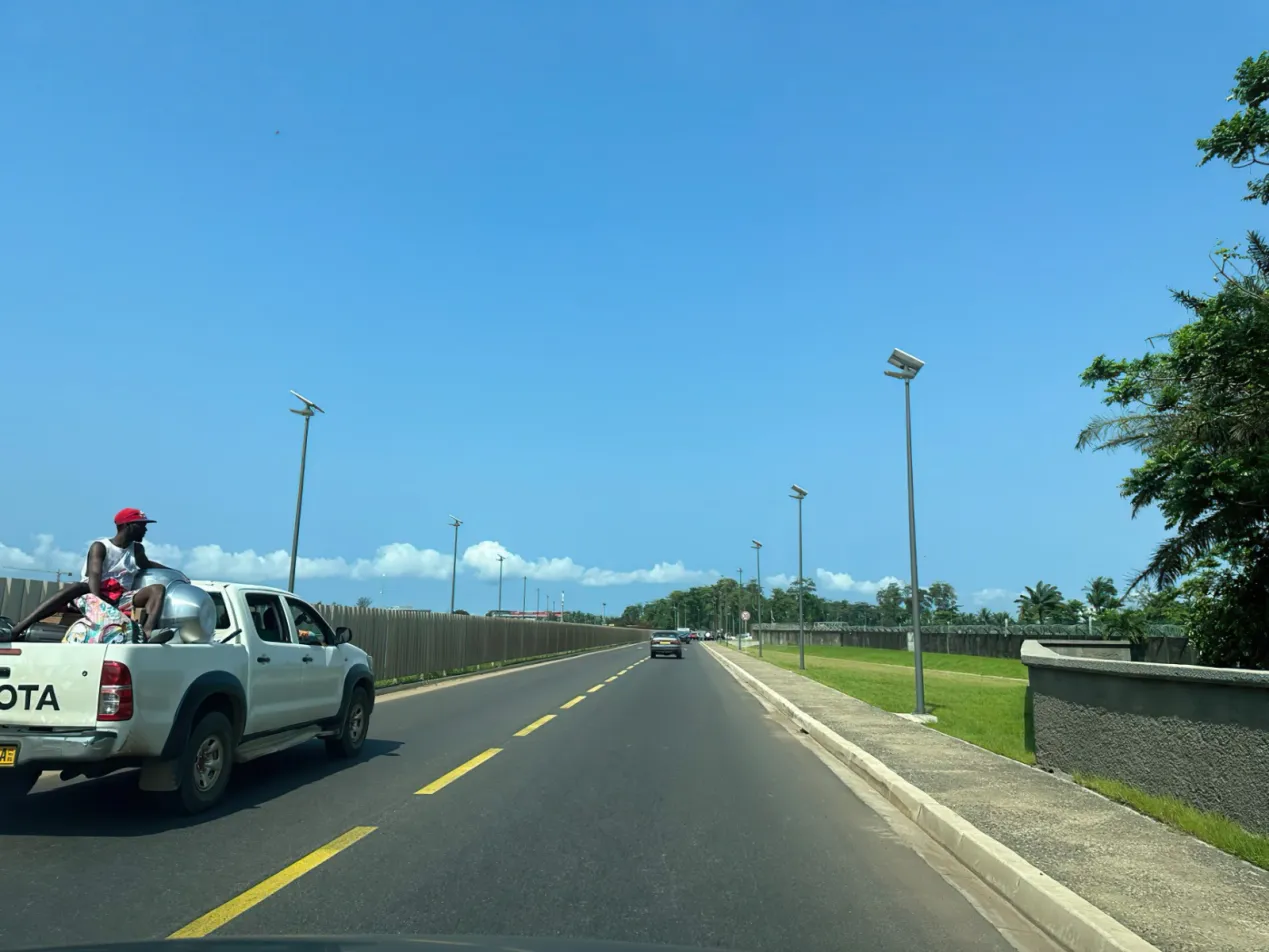
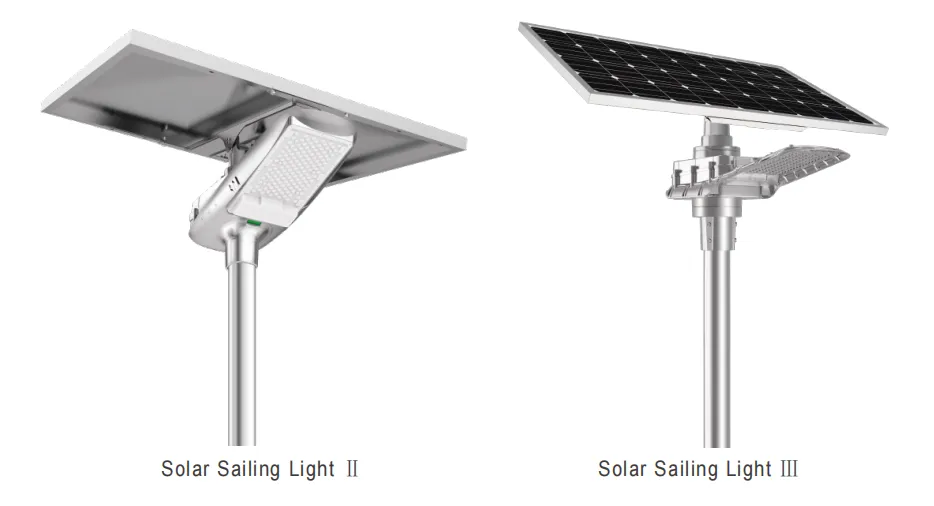
A solar garden light, also commonly called a solar garden street lamp, is an outdoor lighting product powered by solar energy. It does not require connection to the traditional power grid or underground cabling, and it is commonly used in pathways, parks, residential communities, hotels, resorts, campuses, and commercial landscape areas.
However, the solar garden lights commonly seen on the market are not a single type. According to installation method, brightness level, and application scenario, they can be roughly divided into the following three categories.
The first category is residential decorative solar garden lights. These products usually adopt ground-inserted, wall-mounted, or small post-style structures, with relatively small solar panels and battery capacities. They are mainly used for flower beds, lawns, courtyard edges, and landscape decoration. They are easy to install and relatively inexpensive, but they are usually not suitable for functional lighting over large areas or for long operating hours.
The second category is solar pathway lights and lawn lights. These lights are mainly used for garden paths, villa walkways, park paths, and landscape areas. Their brightness and lighting coverage are higher than those of ordinary decorative lights, allowing them to provide path guidance and basic nighttime lighting. Some products are equipped with light control, timer, or motion-sensing functions, but their overall installation height and output power are still relatively low.
The third category is engineering-grade solar garden lights, which can also be called solar garden street lights or solar landscape road lights. These products are usually installed on light poles 3 to 6 meters high and are equipped with higher-power solar panels, larger-capacity batteries, and more complete control systems, allowing them to be used in residential communities, park pathways, hotels, campuses, commercial landscapes, and public roads. Compared with residential products, engineering-grade solar garden lights place greater emphasis on actual illuminance, nighttime operating time, rainy-day backup, and long-term outdoor stability. [1]
What Are the Main Components of a Solar Garden Light?
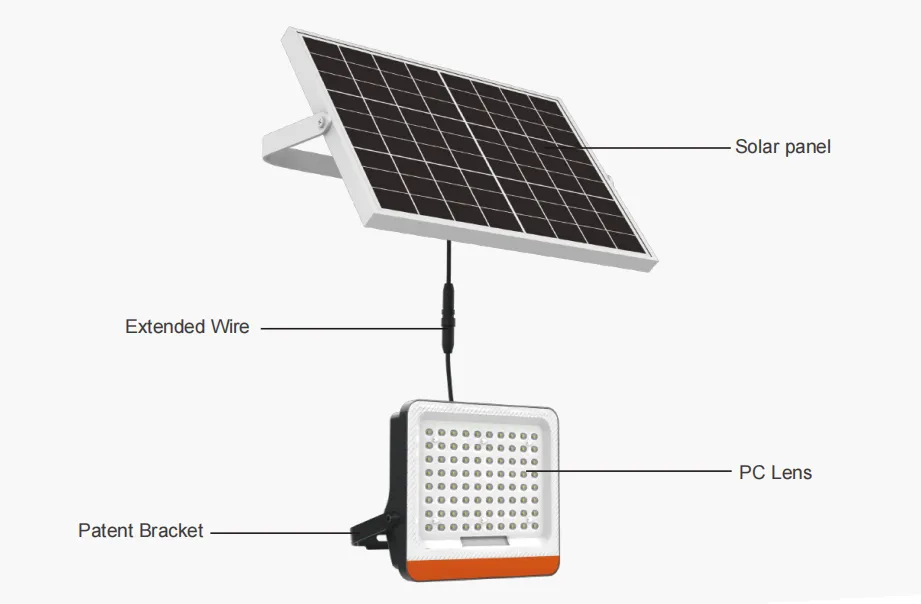
A complete solar garden lighting system mainly consists of a solar panel, controller, battery, and LED light. Some products also include light sensors, motion sensors, and timer-control functions.
Its basic energy-transfer process is:
Sunlight → Solar Panel → Controller → Battery → LED Light
1. Solar Panel: Converting Sunlight into Electrical Energy
The solar panel is the energy input of the entire system. During the day, sunlight shines on the solar panel, and the photovoltaic cells inside convert solar radiation into direct-current electricity.
The voltage and current generated by the solar panel are not fixed. When sunlight is reduced by clouds, temperature changes, or angle changes, the output power also changes. The solar panel mainly determines how much energy the system can obtain each day, while final lighting performance is also related to LED efficiency, battery capacity, and the control program.
2. Controller: Coordinating Charging, Energy Storage, and Lighting
The controller can be understood as the energy-management center of the solar garden lighting system.
During the day, it receives the electricity generated by the solar panel and adjusts charging voltage and current according to the battery status. At night, it controls the battery to supply power to the LED light and adjusts brightness according to the preset program.
3. Battery: Storing the Electrical Energy Generated During the Day
The solar panel can only generate electricity when there is light, but solar garden lights are mainly used at night. Therefore, the electricity generated during the day must first be stored in the battery.
When it becomes dark, the solar panel stops generating effective electricity, and the battery becomes the main power source for the LED light. The larger the battery capacity, the longer the lighting time it can theoretically support under the same LED power.
Engineering-grade solar garden lights usually use lithium iron phosphate batteries. Compared with the lower-capacity batteries used in some decorative lights, LiFePO4 batteries are more suitable for repeated daily charging and discharging and can support larger energy-storage capacity.
4. LED: Converting Electrical Energy into Light
The LED is the component that actually provides illumination. At night, after the electrical energy supplied by the battery passes through the controller and LED driver, it is converted into visible light by the LED.
Higher wattage does not necessarily mean better lighting performance. High-efficiency LEDs can produce more lumens with lower power, while suitable lens and light-distribution design can direct light to the areas that actually need illumination.
5. How Do the Four Core Components Work Together?
During the day, the solar panel generates electricity, and the controller detects solar-panel output and battery level and stores the regulated electrical energy in the battery. At this time, the LED remains off.
At dusk, the solar-panel output voltage decreases as the light becomes dimmer. The controller determines that night has arrived, stops charging, and activates the LED lighting.
At night, the battery supplies power to the LED through the controller. The controller can adjust brightness according to time, remaining battery level, and motion-sensor signals.
In the morning, the solar panel receives sunlight again, the output voltage increases, and the controller turns off the LED and re-enters charging mode.
The entire system repeats the cycle of power generation, charging, energy storage, and lighting every day. [2]
What Is the Difference Between MPPT and PWM?
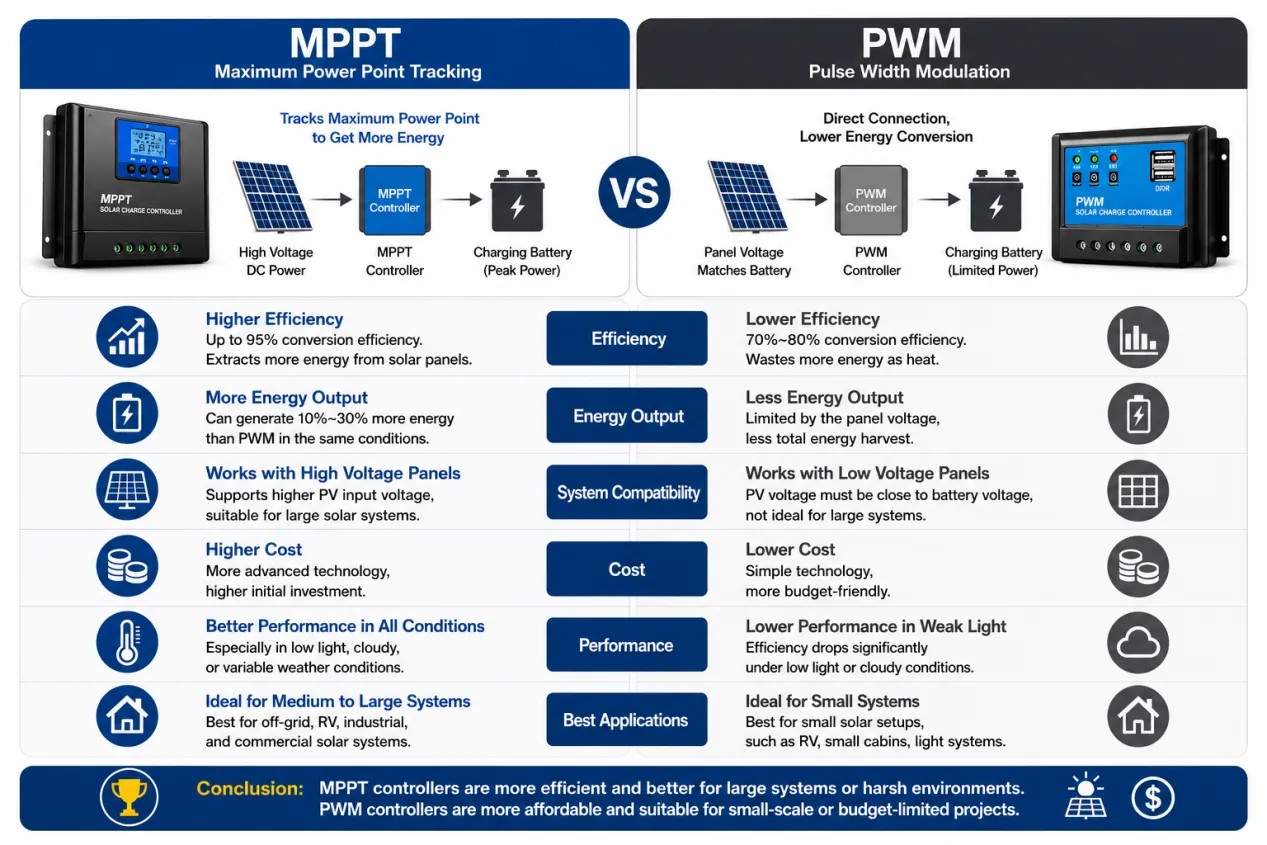
MPPT and PWM are both solar charging-control technologies. Their purpose is to manage battery charging from the solar panel, but they operate differently.
PWM stands for pulse width modulation. It keeps the operating voltage of the solar panel close to the battery voltage, has a relatively simple structure, and lower cost, and is commonly used in small, low-power solar lights.
MPPT stands for maximum power point tracking. It continuously detects the voltage and current of the solar panel, searches for the operating point that can output maximum power under current sunlight and temperature conditions, and then converts this energy into voltage and current suitable for battery charging. [3]
Comparison Item | PWM Controller | MPPT Controller |
Operating Method | Keeps the solar-panel operating voltage close to the battery voltage | Dynamically tracks the maximum power point of the solar panel |
Energy Utilization | Meets basic charging requirements | Usually makes fuller use of solar-panel output |
Low-Light Adaptability | Relatively basic | Usually performs better under changing light conditions |
System Complexity | Lower | Higher |
Cost | Lower | Higher |
Common Applications | Decorative lights, lawn lights, and low-power systems | Engineering-grade garden lights, pathway lights, and public lighting |
Configuration Flexibility | Relatively limited | More suitable for complex system configurations |
MPPT is not a mandatory configuration for all solar garden lights. For decorative lights with lower brightness, smaller system power, and limited budgets, PWM can already meet basic usage requirements.
However, for engineering-grade outdoor solar garden lights that require higher brightness, longer operating time, rainy-day backup, and intelligent dimming, MPPT usually has more advantages.
How Do Solar Garden Street Lamps Work on Cloudy or Rainy Days?
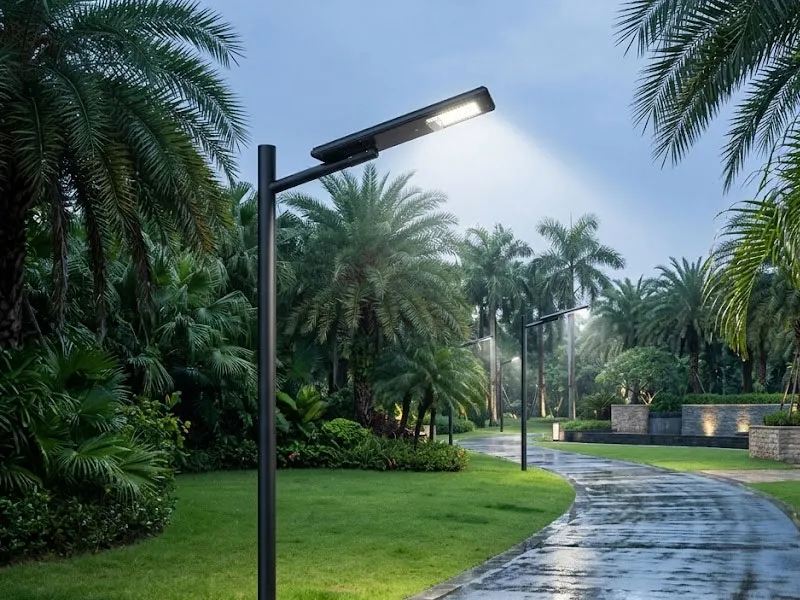
Cloudy weather does not mean that the solar panel completely stops generating electricity. Even without strong direct sunlight, the panel can still use scattered light, although daily charging is usually lower than on sunny days.
During cloudy or rainy weather, solar garden lights mainly rely on the energy already stored in the battery. How long they can continue operating depends on:
Solar-panel and battery capacity;
Duration of cloudy and rainy weather;
LED power;
Operating time each night;
Whether time-based dimming is configured;
Whether the battery was fully charged before the weather changed. [4]
In engineering projects, the number of consecutive rainy days or days of autonomy is often specified. This means that even if charging is limited for several days, the battery should still maintain scheduled nighttime lighting as much as possible. When battery level is insufficient, the intelligent controller may first reduce LED brightness instead of turning the light off immediately.
However, no solar garden light can operate indefinitely without effective sunlight for a long period. If rainy weather exceeds the system’s designed backup range, both brightness and operating time will be affected.
How Long Can Solar LED Garden Lights Stay On at Night?

Engineering-grade solar LED garden lights are usually designed to operate for 8 to 12 hours per night, but actual runtime is not fixed.
The main factors affecting nighttime lighting duration include:
Daily charging from the solar panel;
Battery Wh capacity;
LED power;
Brightness settings;
Motion-sensor triggering frequency;
Controller efficiency;
Weather and season;
Battery service life.
If the light remains at 100% brightness from dusk to dawn, power consumption will be relatively high. If time-based dimming is adopted and output is adjusted according to pedestrian traffic, runtime can be extended significantly.
Therefore, buyers should not rely only on claims such as "can stay on all night." It is better to confirm under what brightness, battery capacity, and sunlight conditions that result is achieved.
How to Select the Right Solar Garden Light System?
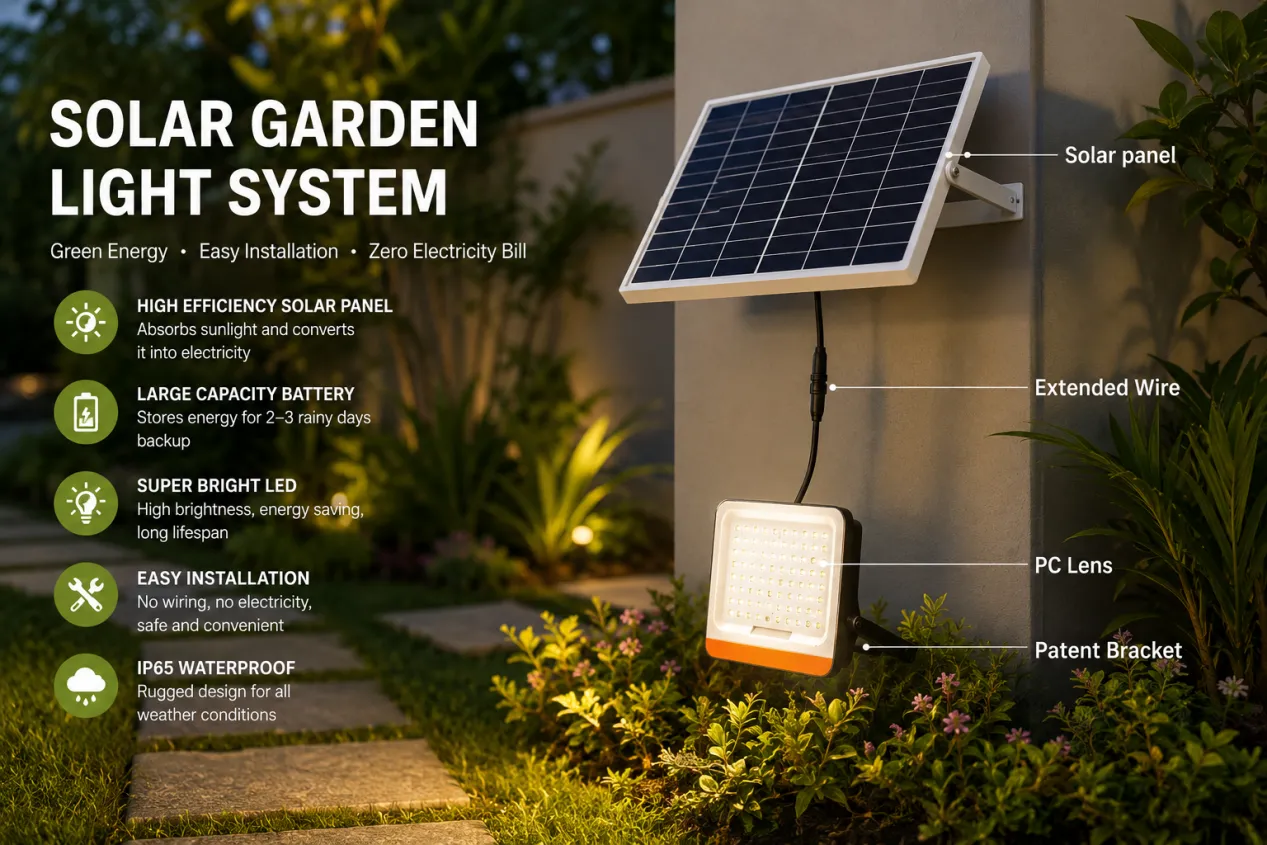
When selecting solar garden lighting systems, the first step is to clarify the actual lighting requirement.
First, determine the application scenario. Private courtyards, hotel landscapes, park pathways, and community roads have different requirements for brightness, pole height, and lighting coverage.
Second, determine how long the light needs to operate each night. Is it only used during the first half of the night, or must it operate continuously from sunset to sunrise? Can brightness be reduced in the early morning?
It is also necessary to understand sunlight and weather conditions at the project location. Regions with year-round sunshine and regions with long rainy seasons cannot use exactly the same solar-panel and battery configurations.
In system matching, attention should be paid to the following relationships:
The LED determines daily power consumption;
The battery determines how much electricity can be stored;
The solar panel determines how much electricity can be replenished each day;
The controller determines how energy is charged, protected, and used.
In addition, check the IP protection rating, housing material, heat-dissipation structure, corrosion resistance, operating temperature, pole strength, battery replacement method, warranty, and test reports.
For parks, communities, and commercial landscape projects, it is better to complete the configuration based on installation height, spacing, target brightness, and consecutive rainy days rather than purchasing a fixed-parameter product directly. [5]
Frequently Asked Questions About Solar Garden Lights
Do Solar Garden Lights Need Direct Sunlight?
Direct sunlight can increase power generation. Electricity can still be generated under cloudy and indirect light conditions, but charging speed will usually decrease.
Does the Solar Panel Directly Power the LED?
Usually not. Electricity generated during the day first passes through the controller and is stored in the battery, and the battery then supplies power to the LED at night.
Why Can Solar Garden Lights Turn On Automatically?
The controller can determine day and night through changes in solar-panel voltage or a light sensor. When light level drops to the preset range, the LED automatically turns on.
Why Does the Light Become Dimmer Later at Night?
This may be a normal time-based dimming program, or it may be caused by insufficient charging that day, battery aging, solar-panel shading, or insufficient battery capacity.
Is MPPT Always Better Than PWM?
MPPT is more suitable for engineering-grade and medium-to-high-power solar garden light systems, but PWM still has practical value in small, low-cost decorative lights and should be selected according to project requirements.
Do Solar LED Garden Lights Require Maintenance?
Yes. The solar panel should be cleaned regularly, and tree shading, sealing, bolts, battery condition, and nighttime operating time should be checked.
Are Solar Garden Street Lamps Completely Waterproof?
Outdoor solar garden light products usually have IP protection ratings, but waterproof performance still depends on the specific rating, sealing design, and installation method. It should not be understood as meaning that water can never enter under any condition.
How do I know if I need PWM or MPPT for my project?
If you need higher brightness, longer operating hours, or multiple rainy-day backup, MPPT is usually the better choice. For small decorative lights with lower power and tighter budgets, PWM can still be a practical and cost-effective option.
Does RoadSmart offer solar garden lights for commercial projects?
Yes. RoadSmart provides engineering-grade solar garden lighting systems for parks, residential communities, hotels, resorts, campuses, and commercial landscapes, with configurable solar panels, battery capacity, LED brightness, and intelligent control options.
Conclusion
Solar garden lights are easy to describe, but they are not always easy to size correctly. They work through a simple cycle of daytime charging and nighttime lighting, while long-term performance depends on whether the solar panel, controller, battery, and LED are matched as one complete system.
For project buyers, distributors, and contractors, the key is not to compare products by wattage claim alone. It is better to define the installation site, pole height, lighting area, runtime target, rainy-day backup requirement, and maintenance expectations first, then choose a system that fits those conditions.
If you are selecting solar garden lighting for pathways, parks, communities, campuses, resorts, or commercial landscape projects, RoadSmart can help recommend a more suitable model and configuration based on your actual project requirements.
References
- Outdoor Solar Lighting, U.S. Department of Energy, Energy Saver.
- Lighting Controls, U.S. Department of Energy, Energy Saver.
- MPPT vs PWM | Different Types of Solar Charge Controllers, Morningstar Corporation.
- Solar Integration: Solar Energy and Storage Basics, U.S. Department of Energy.
- Ingress Protection (IP) Ratings, International Electrotechnical Commission (IEC).