How to Choose All-in-One Solar Street Lights for Low-Cost Public Park Lighting to Save Public Expenses by ≥30%?
Jun 23, 2026
Read:499
Parks are public infrastructure and are places where people relax, take walks, entertain themselves, and unwind after meals or during their leisure time. Especially at night, a warm and pleasant lighting environment is a key factor in attracting them to come out and enjoy themselves. However, for the operators behind the scenes, lighting construction is a very large project. It involves many aspects, including park lighting design, lighting safety, electricity bills, and operating costs. In particular, as the cost of public lighting continues to rise, public lighting solutions that focus on lower-cost all-in-one solar street lights have gained increasing attention. If the project is reasonably designed, park public lighting expenses have the opportunity to save more than 30% in terms of combined costs such as electricity bills, construction, and maintenance.
For a medium-sized city park (e.g., 50 acres with 150 light poles), traditional lighting costs can exceed $15,000/year in electricity alone. Add trenching, cabling, and maintenance – and the 10-year total easily surpasses $250,000. This article shows how all-in-one solar street lights can cut that by 30% or more.
After reading this guide, you will understand exactly where the 30%+ savings come from – and how to calculate the ROI for your park project.
Why Is Park Public Lighting Becoming More and More Expensive?
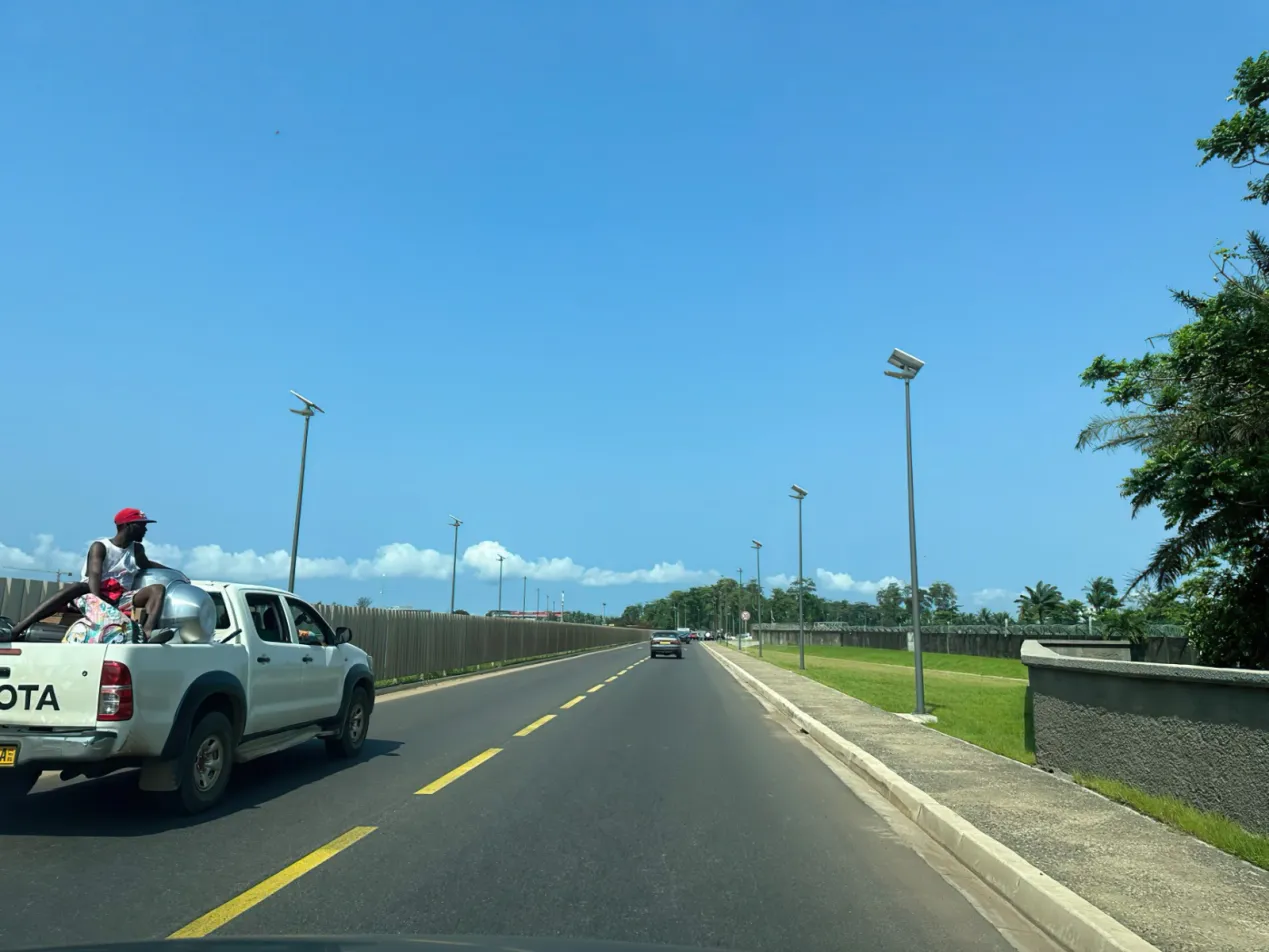
A park is a relatively special environment. Because it covers a wide area and is mostly located around residential buildings, these special factors directly lead to increasing management difficulty and higher requirements for nighttime safety. All in one solar street light for park lighting not only needs to take into account the basic safety requirements for leisure walks, but also needs to meet the lighting needs of different entrances, walkways, squares, parking lots, and other areas. The lighting positions are scattered, the power supply lines are long, and the nighttime lighting duration is lengthy. Traditional park lighting mostly relies on municipal electricity, which greatly increases electricity expenses.
In addition, traditional park lighting goes through multiple stages in the early phase, resulting in complicated wiring. Over time, problems such as line aging and faults are likely to occur. Once a problem occurs, a large amount of manpower and material resources must be invested in inspection and repair. It is not only the electricity bills that are expensive; installation, operation, maintenance, and management costs also increase together.
Why Are All-in-One Solar Street Lights Suitable for Parks?
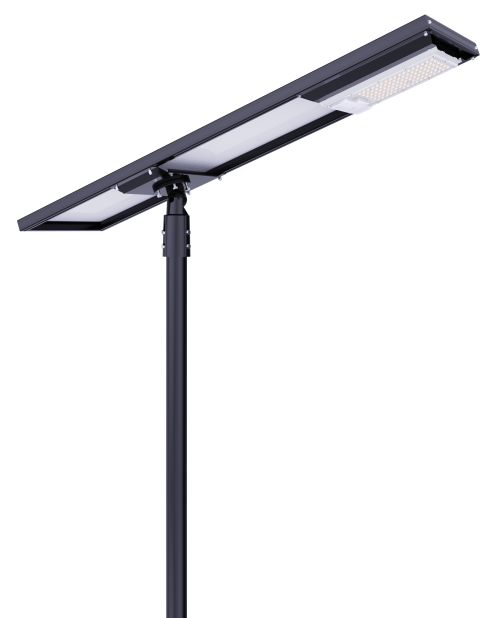
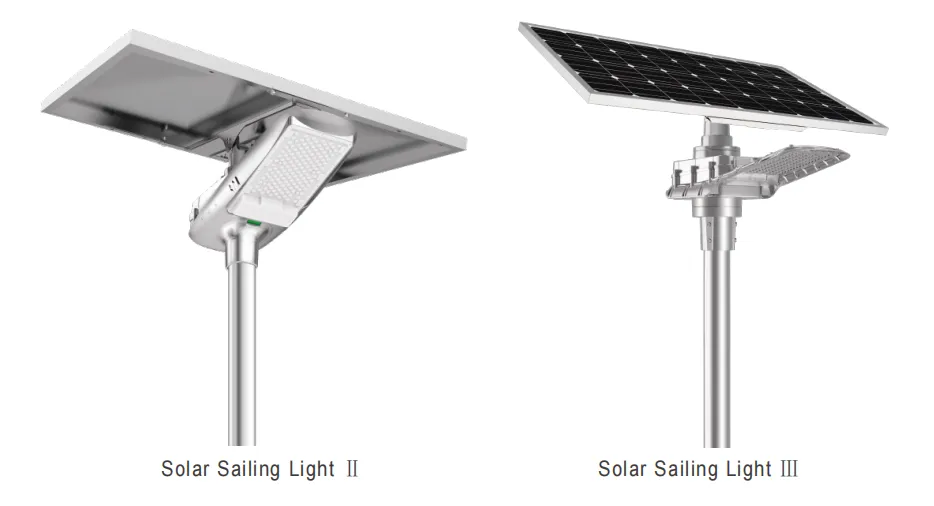
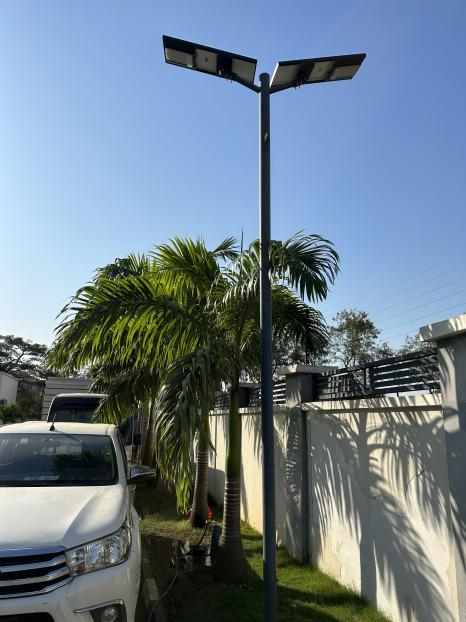
Parks are mainly outdoor scenarios, and all-in-one solar street lights are tailor-made for outdoor scenarios. Their integrated structural design makes the whole lamp body compact in structure and simple in appearance, allowing them to adapt to various different scenarios. They also form an independent lighting system and do not need to rely on municipal electricity, enabling independent operation.
For large-area scenarios such as parks, the number of lamps and lighting brightness can be deployed according to actual needs. The lighting is bright but controlled, without blindly pursuing extremely high brightness, and it will not affect nearby residents. Since they are not restricted by traditional cables, especially in scenarios where power connection is inconvenient, park lighting layout also needs to consider aesthetics and environmental compatibility. All in one solar lights require no wiring and are convenient to install, which can avoid damaging the original landscape.
While achieving comfortable lighting, all-in-one solar street lights can also be intelligently controlled. They can detect pedestrian flow in real time and automatically adjust and control lighting brightness according to different pedestrian flows. This not only ensures safety, but also reduces battery consumption and improves endurance.
How Do All in One LED Solar Street Lights Save Expenses for Parks?
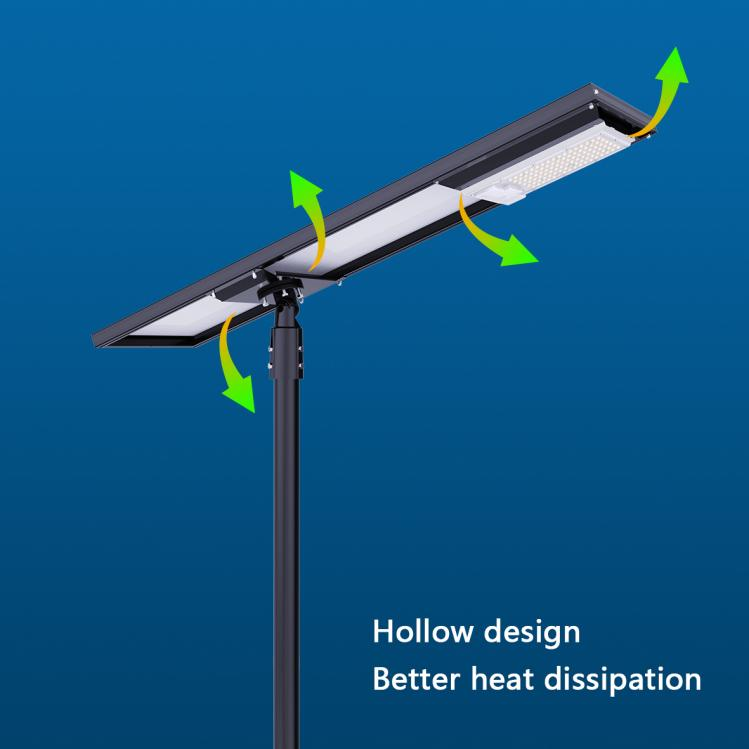
All in one solar lights do not save expenses through a single link, but through multiple links:
1. Hard Electricity Cost Expenditure
Park lighting relies on the traditional municipal power grid and operates for long periods every night. Electricity bills are a hard cost of expenditure and are difficult to reduce. All in one led solar street lights rely on solar power generation, do not consume grid electricity, and their electricity bills are almost zero.
2. Installation and Construction Costs
All in one led solar street lights do not require large-scale trenching and wiring, nor do they require professional personnel for construction. The installation steps are simple. While maintaining the park environment, they also reduce installation costs.
3. Maintenance and Management Costs
All in one led solar street lights operate independently, have a high degree of component integration, and have a low probability of failure. Their built-in intelligent control and remote monitoring eliminate the need for large-scale inspection. They can realize autonomous monitoring, discover faults faster, support unified background management, and make manual work and later maintenance simpler.
Compared with traditional park lighting, they have significant advantages:
Comparison Item | Traditional Park Lighting | All in One Solar Street Lights |
Power Supply Method | Relies on municipal electricity and needs to be connected to the power grid | Solar power supply, single lamp operates independently |
Construction Method | Requires excavation, pipe burying, wiring, and power connection | Mainly involves installing lamp poles and lamps, making construction simpler |
Electricity Expenses | Generates long-term public electricity costs | Greatly reduces or basically does not rely on municipal electricity |
Maintenance Content | Cables, distribution boxes, lines, and lamps all need maintenance | Mainly checks solar panels, batteries, controllers, and lamp bodies |
Renovation Impact | Easily damages lawns, walkways, and landscapes | Has relatively little impact on the original park environment |
Flexibility of Lighting Layout | Restricted by cables and distribution locations | Can flexibly arrange points according to entrances, walkways, lakesides, and other areas |
Intelligent Energy Saving | Requires an additional control system | Can integrate time control, sensing, and time-segment dimming |
Long-Term Cost | Electricity bills and line maintenance continue to exist | After reasonable early configuration, operating costs are lower |
Conclusion
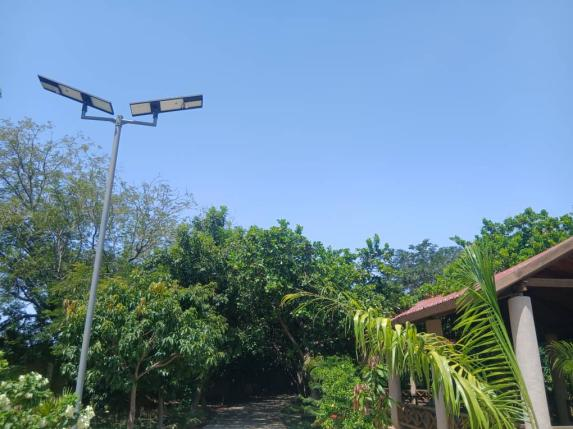
Park lighting needs to fully consider multiple issues such as nighttime lighting safety, maintenance management, and operating costs. Solar street light all in one can solve the difficulties of park public lighting in a targeted way. They can not only meet the needs of park public lighting, but also effectively save operating expenses and provide strong support for the sustainable development of parks.
If your park project needs to install lighting fixtures, optimize and upgrade park lighting, or carry out renovation and other related work, all in one solar street lights are a lighting solution worth considering. If you are unsure, you can contact a professional all in one solar street light manufacturer, such as RoadSmart, to provide a park lighting solution.
With their significant cost advantages, environmental protection features, and convenient installation and maintenance methods, all in one solar street lights are undoubtedly an ideal choice for low-cost public lighting in parks. They can not only meet the lighting needs of parks, but also effectively save public expenses and provide strong support for the sustainable development of parks. When planning lighting facilities, park management may seriously consider solar street light all in one, allowing parks to be bright while also achieving a win-win result in both economy and environmental protection. It is believed that in the near future, all-in -one solar street lights will shine brightly in the field of park lighting and bring citizens a more comfortable and pleasant leisure environment.
FAQ
Q1: How is the 30%+ saving calculated? Is it guaranteed?
A: The 30%+ is a conservative estimate combining zero electricity bills + lower installation costs + reduced maintenance. Actual savings vary by local electricity rates and project scale. RoadSmart provides a free, site-specific TCO analysis.
Q2: Can solar street lights work under tree cover or partial shade?
A: Yes, with proper planning. For shaded areas, use split-type systems (panel placed in sunnier location) or choose panels with better low-light performance. RoadSmart offers site assessment to determine the optimal configuration.
Q3: What happens during extended rainy seasons? Will parks go dark?
A: Quality all-in-one solar lights have 5-7 days of battery autonomy. During consecutive rainy days, the intelligent controller automatically dims to extend runtime. Parks will never go completely dark.
Q4: Are solar street lights safe for public parks?
A: Yes. They operate at low voltage (3.2V/12V), eliminating electrical shock risks. IP65/IP66 waterproofing ensures safety in all weather conditions.
Q5: How long does it take to recover the higher upfront cost?
A: Payback is typically 3-5 years. After that, the system delivers free energy for the remaining 5-10 years. For parks with high electricity rates ($0.15+/kWh), payback can be under 3 years.
Q6: Can RoadSmart provide a complete park lighting solution?
A: Yes. RoadSmart offers end-to-end service: site survey, DIALux simulation, product selection, installation guidance, and after-sales support.