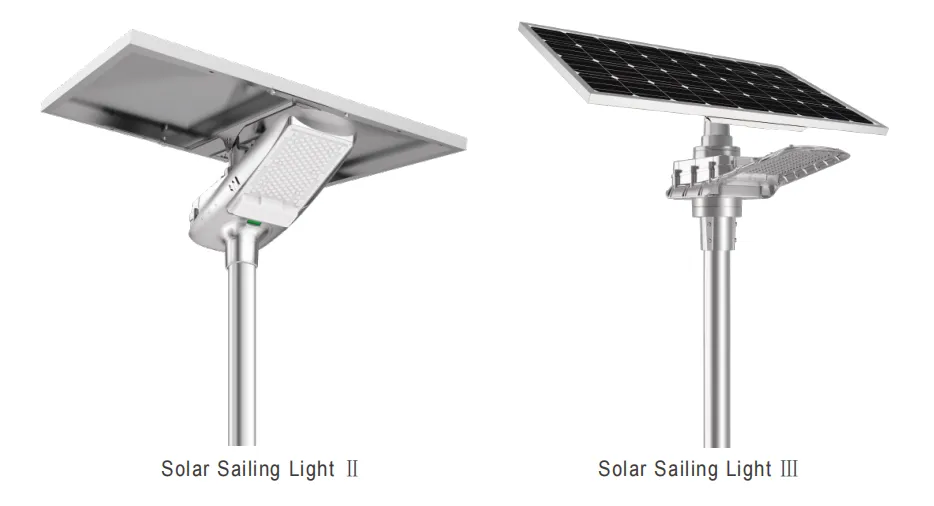
Can Solar Street Lights Prevent Copper Wire Theft?
Oct 30, 2026
Read:20
Source: Yin Zhenkun
Copper wire theft has become more than a repair problem for many cities. When thieves remove underground cables from street lighting circuits, entire stretches of road can remain dark until crews replace the wiring and repair damaged electrical infrastructure.
In March 2026, Los Angeles announced a major street lighting initiative involving the repair or replacement of up to 60,000 lights, with solar-powered lighting among the solutions being pursued. The city identified repeated copper theft, rising repair costs, and an extensive maintenance backlog as important reasons for the program.
For municipalities considering alternatives to conventional grid-connected lighting, standalone solar street lights offer a different approach: supplying electricity at each pole instead of relying on underground power cables.
Quick answer: Standalone solar street lights can substantially reduce copper wire theft risks by removing the need for underground grid-power cables between lighting poles. However, they do not eliminate every security risk. Solar panels, batteries, controllers, and mounting hardware still need protection. Their suitability also depends on road lighting requirements, solar availability, installation costs, and long-term maintenance.
Why Does Copper Wire Theft Cause Costly Streetlight Outages?
Traditional municipal street lighting often relies on underground electrical circuits that supply power to multiple poles. Thieves may access cables through pull boxes, handholes, or damaged enclosures, removing valuable copper conductors and interrupting the power supply.
The resulting repair is rarely limited to replacing the stolen material. Crews may need to inspect the circuit, replace conductors, repair access points, and coordinate electrical and civil work before the lights can return to service.
Los Angeles provides a clear example of the scale of this problem. According to the city's Bureau of Street Lighting, reported theft-related incidents increased from 607 in fiscal year 2017–2018 to 6,344 in 2021–2022. The bureau also explains that while routine lighting maintenance may take only a few hours, repairing copper theft damage can take days or even weeks.
The consequences extend beyond the immediate repair bill. Streetlight outages affect pedestrian visibility, road safety, and residents' confidence in public infrastructure. Repeated theft can also keep maintenance teams occupied with the same locations rather than allowing them to address other lighting needs.
For infrastructure operators, copper theft prevention is closely connected to service availability and streetlight maintenance costs. Securing an individual access panel may help, but repeated attacks on an accessible underground network can remain an expensive problem.
This is one reason cities are considering alternatives to conventional power distribution rather than relying entirely on repeated cable replacement.
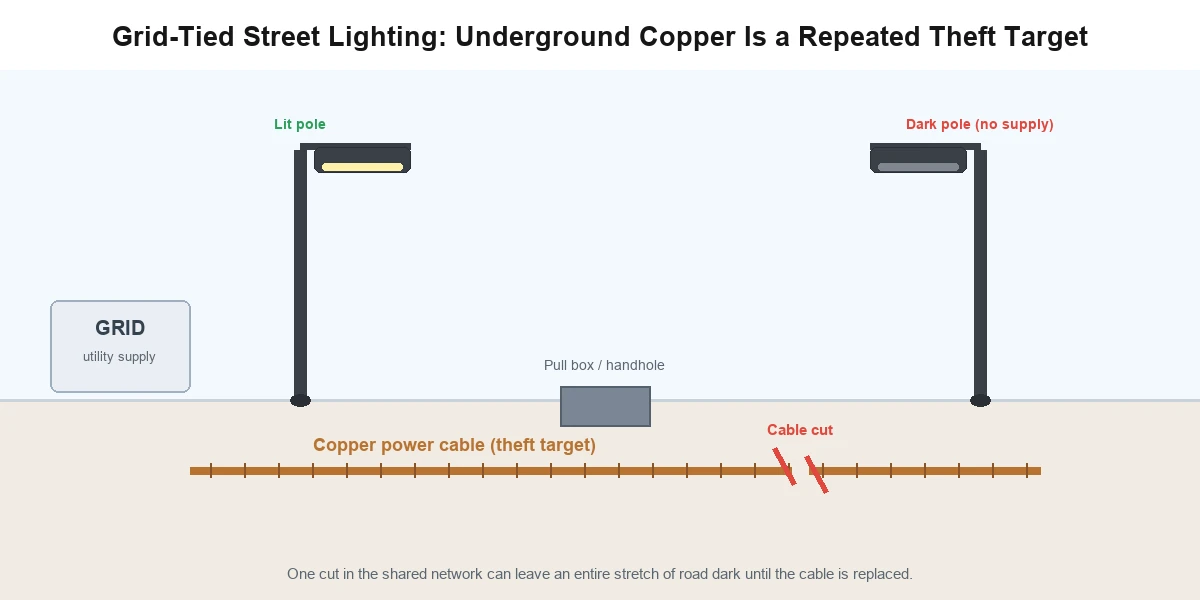
Illustration: in grid-tied street lighting, a buried copper cable feeds several poles, so a single cable cut can leave a long stretch of road dark.
How Does Off-Grid Solar Lighting Remove the Need for Underground Wiring?
The main difference between conventional grid-tied streetlights and standalone solar lighting is where the electricity comes from.
Grid-connected streetlights draw power through an external distribution network. Standalone solar street lights generate electricity locally using a photovoltaic panel and store it in a battery for nighttime operation. The LED fixture and controller draw power from that local system.
Because each pole operates independently, a properly designed off-grid installation does not need an underground grid-power cable connecting it to neighboring lights.
This removes one of the main targets associated with streetlight copper wire theft: the accessible power conductors running through underground lighting infrastructure.
This distinction is especially relevant for new road projects, remote locations, and streets where damaged underground infrastructure would otherwise require extensive reconstruction.
Standalone operation can also limit the impact of an individual equipment failure. If one solar unit is damaged, neighboring independent lights generally continue operating. That differs from a shared electrical circuit where a cable failure can interrupt several connected fixtures.
However, not every solar lighting system has the same wiring arrangement. Split-type solar lights may use cables between their panels, batteries, and luminaires. Even integrated systems contain internal electrical connections.
The advantage is not that the equipment contains no copper whatsoever. It is that independent solar power removes the need for the conventional underground grid-supply network that thieves frequently target.
| Comparison | Conventional grid-connected lighting | Standalone solar street lighting |
|---|---|---|
| Power source | Electrical grid | Solar panel and local battery |
| Underground power wiring | Commonly required | Not required for independent grid-free operation |
| Copper theft exposure | External cables and access points may be targeted | Reduced exposure to underground power-cable theft |
| Effect of a power circuit failure | May affect multiple connected lights | Individual units can operate independently |
| Construction requirements | May involve trenching, conduit, and utility connections | Avoids grid-power trenching, but still requires suitable poles and foundations |
| Operating limitations | Depends on grid supply and electrical infrastructure | Depends on solar charging, battery capacity, and system design |
| Maintenance needs | Electrical circuits, fixtures, and related infrastructure | Panels, batteries, controllers, fixtures, and mounting components |
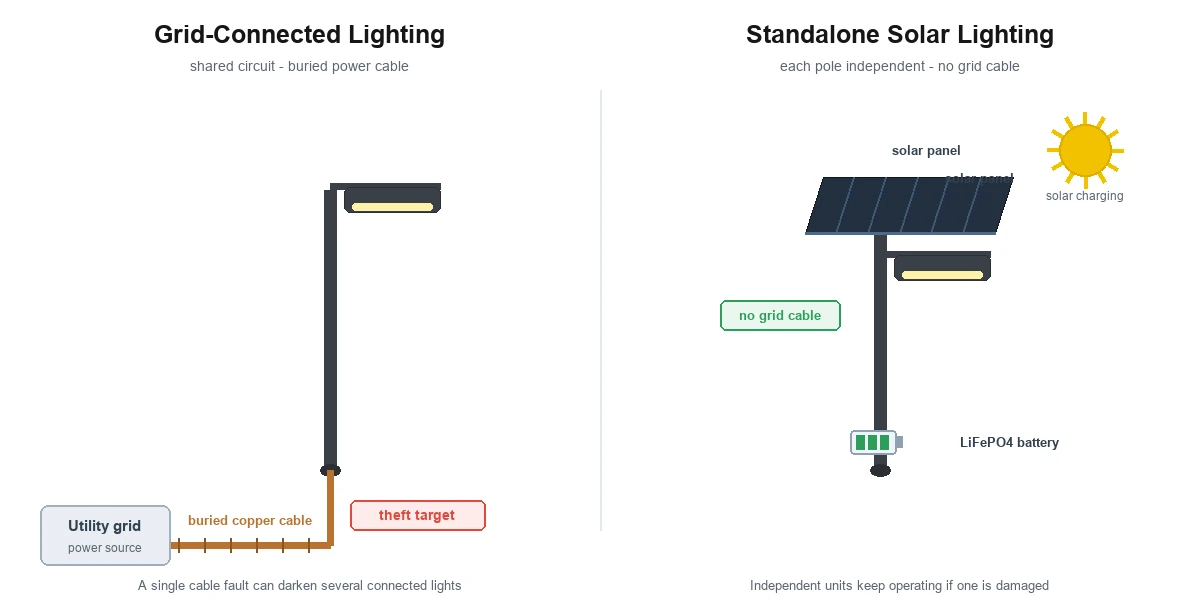
Comparison: grid-connected lighting depends on a buried cable, while standalone solar lighting generates and stores power at each pole.
Can Solar Street Lights Still Be Stolen or Damaged?
Switching to off-grid lighting changes the security risks rather than eliminating them.
A standalone solar installation may no longer expose underground grid-power conductors, but it still includes valuable equipment mounted on or near the pole. Batteries, solar panels, controllers, and luminaires may attract theft or suffer vandalism.
For municipal street lighting projects, equipment security should be reviewed alongside electrical and lighting performance.
Tamper-resistant mounting, protected enclosures, and suitable installation heights may reduce exposure, but the effectiveness of specific measures depends on the equipment supplied and site conditions.
Security requirements also differ between locations. A remote rural road, a busy town center, and a parking facility may have different levels of public access and maintenance supervision.
Manufacturers should therefore be asked to document the actual security features of the proposed product. An integrated design may reduce exposed components, but it should not automatically be treated as certified theft-proof equipment.
| Potential risk | What project buyers should evaluate |
|---|---|
| Battery theft | Battery location, enclosure access, and protection against unauthorized removal |
| Solar panel theft or damage | Mounting security, accessibility, and replacement arrangements |
| Controller or wiring damage | Enclosure protection and exposed cable routing |
| Pole vandalism | Structural condition, mounting hardware, and access to equipment |
| Maintenance-related security | Whether authorized technicians can service components without compromising protection |
When Does Solar Make Sense for Municipal Street Lighting?
Replacing conventional streetlights with independent solar units is worth evaluating when underground wiring has become expensive to install, maintain, or protect.
Repeated copper theft is one reason. Other situations include limited grid access, long distances between utility connections, and road projects where trenching would disrupt traffic or surrounding businesses.
For municipal buyers, the decision should begin with the existing infrastructure and the required lighting service.
These choices should not be made from equipment price alone.
| Project condition | Option to evaluate | Main consideration |
|---|---|---|
| Repeated underground cable theft | Standalone solar streetlight replacement | Reduced dependence on vulnerable power circuits |
| New roads without nearby grid access | Off-grid solar lighting | Avoided grid extension and trenching work |
| Roads with damaged power infrastructure | Independent solar units or electrical network rehabilitation | Installation feasibility and long-term costs |
| Existing poles proposed for reuse | Solar retrofit or replacement | Pole strength, mounting compatibility, and solar exposure |
| Reliable grid supply with low theft exposure | Grid-powered LED and solar alternatives | Comparative lifetime cost and lighting performance |
| Heavily shaded road corridors | Grid-connected or alternative system designs | Whether adequate solar charging is achievable |
Comparing Installation and Lifetime Costs
A standalone solar street light may have a higher initial equipment cost than a conventional LED luminaire. However, the comparison changes when the project requires new underground power cables, conduit, utility connections, or repeated repairs following theft.
A useful total cost of ownership assessment should include:
| Cost category | Conventional wired lighting | Standalone solar lighting |
|---|---|---|
| Initial equipment | Luminaire and electrical accessories | Luminaire, solar panel, battery, and controller |
| Civil construction | Trenching and conduit where required | Pole and foundation work |
| Power infrastructure | Cable supply and grid connection | Independent solar generation and storage |
| Operating energy | Grid electricity | Locally generated solar electricity |
| Routine maintenance | Fixtures and electrical distribution components | Fixtures, panels, batteries, and controllers |
| Theft-related repairs | Underground cables, pull boxes, and damaged circuits | Potential repair or replacement of accessible solar equipment |
| Long-term replacement | Lighting and electrical infrastructure | Lighting components and eventual battery replacement |
Los Angeles' 2026 street lighting initiative illustrates why these broader costs matter. The city identified copper theft and its repair backlog as significant infrastructure problems and began pursuing solar lighting as part of a wider response.
That experience demonstrates a real municipal use case, but it does not establish a universal cost advantage for solar lighting. The result will depend on local labor costs, the condition of existing infrastructure, equipment specifications, replacement cycles, and site conditions.
RoadSmart Congo Town Road Project: ST2-80 Solar Street Lighting
RoadSmart's town road lighting project in Brazzaville, Republic of the Congo, provides an example of standalone solar street lighting in an area facing infrastructure challenges.
The project deployed 80 sets of Solar Star Light II ST2-80 on town roads in 2026. The installation addressed limited or unreliable grid access, local maintenance constraints, and the need for dependable nighttime illumination.
| Project detail | Recorded configuration |
|---|---|
| Location | Brazzaville, Republic of the Congo |
| Application | Town and branch road lighting |
| Product | Solar Star Light II ST2-80 |
| Quantity | 80 sets |
| Installation height | 8 m |
| Pole spacing | 30 m |
| Road width | Approximately 6–8 m |
| Power architecture | Standalone all-in-one solar lighting |
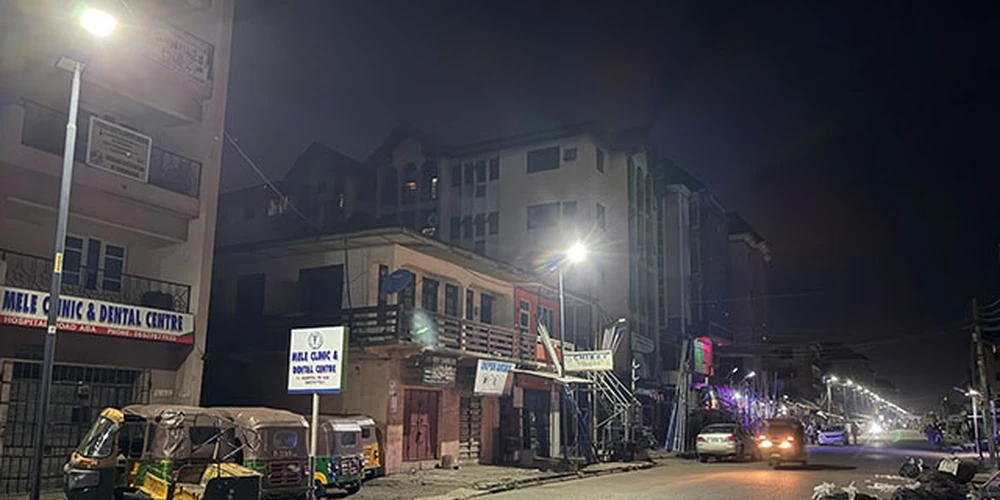
RoadSmart Solar Star Light II ST2-80 lighting a town road at night.
The ST2-80 installation uses independent solar power rather than relying on an external underground grid-supply connection for each lighting circuit.
Its all-in-one structure brings together the solar panel, LiFePO4 battery, LED lighting components, and intelligent controller within an integrated product design. The system also uses roadway-oriented optics and configurable power management.
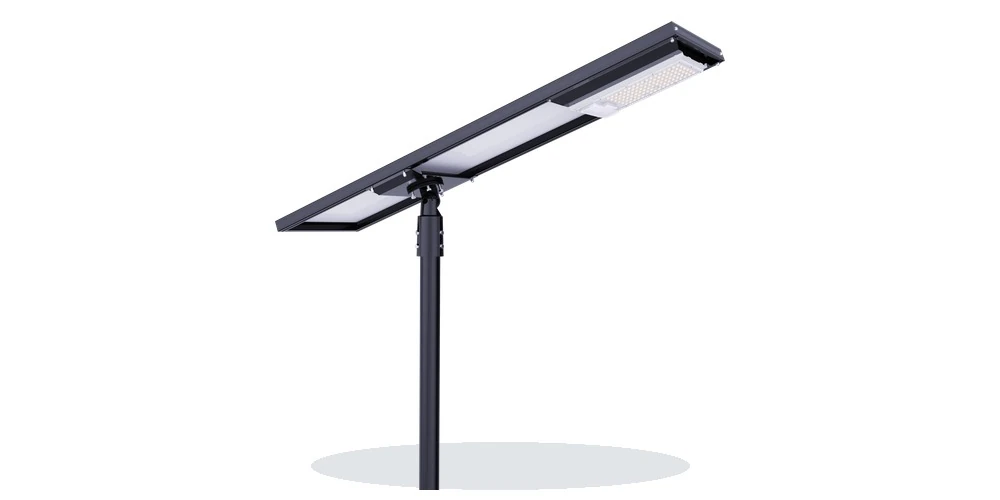
Solar Star Light II ST2-80 all-in-one unit: solar panel, LiFePO4 battery, LED light source and controller integrated in one housing.
The project demonstrates how standalone lighting can be applied where traditional electrical infrastructure is difficult to maintain or extend. The same supply architecture is relevant to municipalities evaluating alternatives to repeatedly repairing damaged underground power cables.
For town road projects, removing the need for grid-power wiring is only one part of the design. Road width, mounting height, pole spacing, solar exposure, rainy-season conditions, and future maintenance all need consideration before selecting the equipment.
What Should Buyers Check Before Replacing Wired Streetlights?
Streetlight replacement projects need more than a decision to switch from grid electricity to solar power. The selected system must provide the required road illumination, remain serviceable, and suit the existing installation environment.
Before specifying standalone units, municipal buyers and EPC contractors should review the following conditions.
| Assessment item | What to verify |
|---|---|
| Existing infrastructure | Condition of poles, foundations, underground circuits, and access points |
| Solar exposure | Shading, available panel orientation, and local solar resources |
| Lighting performance | Required illumination, uniformity, and relevant glare criteria |
| Installation layout | Road width, mounting height, pole spacing, and fixture arrangement |
| Solar and battery configuration | Expected nighttime consumption, charging capacity, and backup requirements |
| Equipment security | Battery enclosure, panel mounting, exposed wiring, and service access |
| Maintenance planning | Inspection intervals, replacement components, and local service capability |
| Project economics | Equipment, construction, power, maintenance, and theft-related repair costs |
Where existing poles are to be reused, their structural capacity and mounting compatibility must be checked. Where lighting requirements are demanding, the proposed optical distribution and operating schedule should also be evaluated through appropriate lighting calculations.
RoadSmart Solar Star Light II for Standalone Road Lighting
RoadSmart's Solar Star Light II is an all-in-one solar street light series designed for roads, parking areas, industrial facilities, and municipal applications.
The series integrates the photovoltaic panel, LiFePO4 battery, LED light source, and controller into an independent system. Its adjustable solar-panel arrangement and bat-wing optical distribution allow the selected model to be evaluated for different installation conditions.
The ST2-80 used in Brazzaville is one configuration within this series. Other models provide different combinations of solar generation, battery capacity, luminous output, and recommended mounting conditions.
For a municipal streetlight replacement project, RoadSmart can review the road layout, required lighting hours, solar conditions, and installation constraints to help determine a suitable configuration.
Choosing standalone solar lighting can remove a vulnerable part of the conventional street lighting network. The equipment and project design still need to provide adequate illumination and a realistic long-term maintenance plan.
You can also review a completed ST2 solar street lighting project to see the series in a real installation.
FAQ: Copper Theft and Solar Street Lighting
Do solar street lights completely eliminate copper wire theft?
No. Standalone solar street lights eliminate the need for conventional underground grid-power cables, removing a major target for copper theft. However, the luminaires still contain electrical components, and their batteries, panels, or mounting hardware may remain vulnerable to theft or vandalism.
Can solar street lights replace existing grid-powered streetlights?
Yes, where the site and equipment are suitable. The project team must check pole condition, mounting compatibility, solar exposure, required illumination, and battery autonomy. Some sites may need new poles or foundations instead of a simple fixture replacement.
Do all solar street lights operate without underground cables?
No. Fully standalone systems do not require underground connections to the electrical grid. Split solar systems may still use cables between their components, while hybrid or grid-connected products can have different wiring requirements.
Are solar street lights cheaper than repairing stolen copper cables?
They can be more economical in locations with repeated cable theft or expensive underground electrical work. However, the comparison should include the solar equipment, installation, battery replacement, maintenance, and expected service life, alongside the costs of repairing or protecting the existing grid infrastructure.
What happens if one standalone solar street light is damaged?
In an installation where each pole operates independently, a failure at one unit generally does not interrupt the power supply of neighboring units. The damaged luminaire still requires inspection or repair, and the practical impact depends on the site layout and lighting requirements.
Conclusion: Reducing Cable Theft Starts with the Power Architecture
Standalone solar street lights cannot prevent every form of equipment theft, but they can remove the underground grid-power cables that are repeatedly targeted in conventional street lighting networks.
For municipalities dealing with recurring cable damage, expensive trenching, or limited grid access, off-grid solar lighting deserves consideration alongside conventional network repair and reinforcement.
The right replacement decision depends on lighting performance, installation conditions, equipment security, and lifetime costs—not simply whether a fixture is solar-powered.
RoadSmart supplies standalone solar street lighting systems for municipal roads, town streets, and other public infrastructure projects.
Planning a streetlight replacement or off-grid road lighting project?
Share your road layout, existing power infrastructure, lighting requirements, and site conditions with the RoadSmart team to discuss a suitable solution.
References
- City of Los Angeles — Mayor Bass Launches Historic Street Light Initiative — Official announcement, March 25, 2026. Covers the city's response to copper wire theft, streetlight repair backlogs, and the adoption of solar lighting technology.
- Los Angeles Bureau of Street Lighting — Outages and Issues — Official information on copper wire and power theft, repair requirements, infrastructure damage, and long-term maintenance challenges.
- Los Angeles Bureau of Street Lighting — General Streetlighting FAQ — Describes the city's extensive underground street lighting network and related infrastructure.